
-
Drive
-
Hotel
-
Kathmandu
-
Cultural Tour
-
BLD
-
Easy to Moderate
Kathmandu Valley Tour
The Kathmandu Valley holds three separate UNESCO-listed Durbar Squares — Kathmandu, Patan, and Bhaktapur — plus major Hindu and Buddhist pilgrimage sites within a compact area. Four days is enough to visit these properly without rushing between them in a single overloaded day.
Trek Trove Nepal runs this as a 4-day package at US$295 per person, including accommodation, a guide, transportation, and daily breakfast.
This page sets out what each day of the tour covers, which sites are included, what the US$295 price pays for, and what’s paid separately — including entrance fees, which are not included in the package price.
Quick Facts
| Detail | Information |
|---|---|
| Tour Name | Kathmandu Valley Tour – 4 Days |
| Location | Kathmandu, Patan, Bhaktapur (Kathmandu Valley) |
| Duration | 4 Days / 3 Nights |
| Price | US$295 per person |
| Tour Style | Private vehicle with guide |
| Starting Point | Kathmandu (hotel pickup) |
| Ending Point | Kathmandu (hotel drop-off) |
| Walking Involved | Moderate — cobblestone squares, temple steps |
| Group Size | Private or small group (customizable) |
| Best Season | March–May, September–November |
| Entrance Fees | Not included — paid on-site per attraction |
4-Day Kathmandu Valley Tour Overview
This itinerary spreads Kathmandu Valley’s major heritage sites across four days rather than cramming them into one or two. Each of the valley’s three historic city-states — Kathmandu, Patan, and Bhaktapur — gets its own dedicated time, alongside the valley’s major Buddhist stupas (Swayambhunath, Boudhanath) and its most important Hindu pilgrimage site (Pashupatinath).
The pace is set by private vehicle and guide, with walking concentrated inside the old city cores where vehicles can’t go.
Why Choose the Kathmandu Valley Tour
- Enough time to see all three Durbar Squares properly. Kathmandu, Patan, and Bhaktapur each have distinct architecture and history — this itinerary treats them as separate destinations rather than a rushed triple-stop day.
- Major religious sites from both traditions. Boudhanath and Swayambhunath (Buddhist) and Pashupatinath (Hindu) are all included, giving a broader picture of the valley’s religious life than a single-faith tour.
- A guide who explains what you’re seeing. Newari temple architecture, courtyard layouts, and the distinctions between sites are easier to understand with someone explaining them on the spot.
- Accommodation and breakfast handled for you. No need to separately book hotels for the nights between sightseeing days.
- A realistic, unhurried pace. Each day covers a manageable number of sites rather than an unrealistic checklist.
Why Book with Trek Trove Nepal
Kathmandu’s traffic can turn a short distance on a map into a much longer drive, and Bhaktapur in particular benefits from an early start before both traffic and crowds build up.
Trek Trove Nepal sequences the four days to account for this, arranges accommodation and transportation as a single booking, and provides a guide who can navigate temple etiquette and restricted areas — particularly relevant at Pashupatinath, where access differs for Hindu and non-Hindu visitors.
Detailed 4-Day Itinerary
Day 1: Arrival – Kathmandu Durbar Square & Swayambhunath
Hotel check-in, followed by an afternoon covering Kathmandu Durbar Square and Swayambhunath Stupa. Kathmandu Durbar Square involves walking on uneven stone paving across several connected courtyards; Swayambhunath involves a stepped climb to the stupa platform (or a longer but gentler road approach). Overnight in Kathmandu.
Day 2: Boudhanath & Pashupatinath
Full day covering Boudhanath Stupa in the morning and Pashupatinath Temple in the afternoon (or reversed, depending on timing and crowds). Both sites involve walking on paved but sometimes uneven ground; Pashupatinath’s riverside terraces have stairs. Overnight in Kathmandu.
Day 3: Patan Durbar Square & Bhaktapur
Morning in Patan (Lalitpur), covering Patan Durbar Square and its surrounding courtyards, followed by a drive to Bhaktapur for the afternoon and, where scheduled, Changu Narayan Temple. Bhaktapur’s old city is largely pedestrian, with cobblestone streets and squares. Overnight in Kathmandu or Bhaktapur, depending on the day’s pace.
Day 4: Free Time / Departure
Morning free for additional exploration, shopping in Thamel, or a flexible add-on stop, followed by hotel drop-off or airport transfer depending on onward travel plans.
Kathmandu Valley Route Overview
Kathmandu (base) → Kathmandu Durbar Square → Swayambhunath → Boudhanath → Pashupatinath → Patan → Bhaktapur → Changu Narayan (where scheduled) → Kathmandu
All sites are reached by private vehicle, with each historic core (Kathmandu, Patan, Bhaktapur) explored on foot once you arrive, since vehicles can’t enter the older pedestrian sections.
Daily Schedule / Timing
| Day | Focus | Approx. Sightseeing Time |
|---|---|---|
| 1 | Arrival, Kathmandu Durbar Square, Swayambhunath | Half day |
| 2 | Boudhanath, Pashupatinath | Full day |
| 3 | Patan Durbar Square, Bhaktapur, Changu Narayan (where scheduled) | Full day |
| 4 | Free time / departure | Half day |
UNESCO World Heritage Sites Covered
Kathmandu Valley has seven UNESCO World Heritage monument zones within a single UNESCO listing. This tour includes several of them:
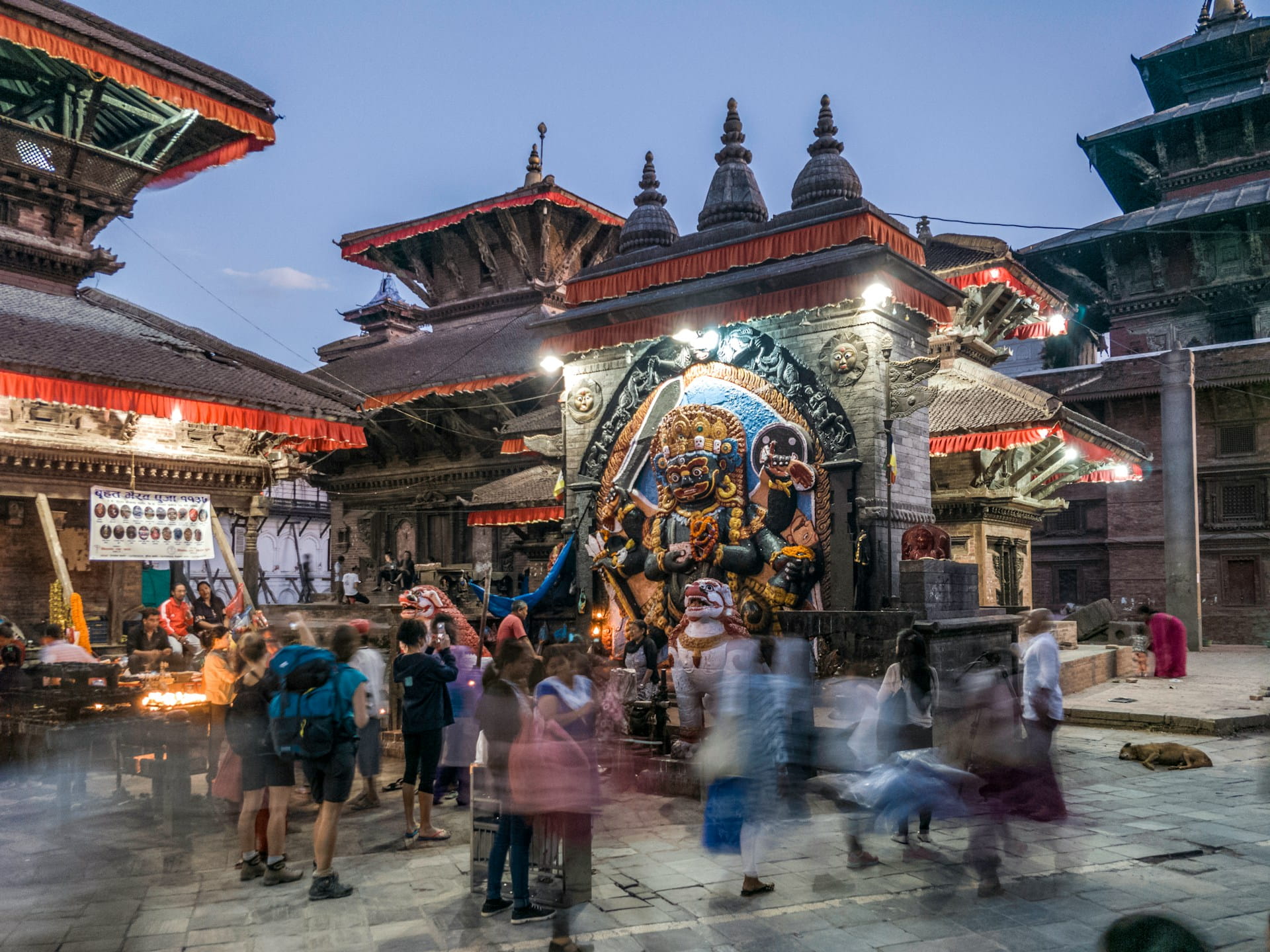
Kathmandu Durbar Square
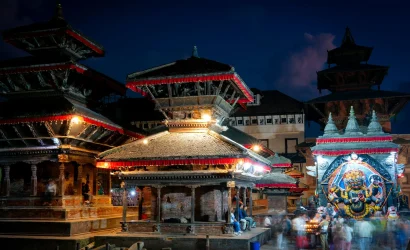
The former royal palace complex of the old Kathmandu kingdom, with temples, courtyards, and the Kumari Ghar — the residence of the Kumari, a living goddess in the Newar Buddhist and Hindu traditions. The square is a working public space as well as a heritage site, so expect both monuments and everyday city life around them.
Swayambhunath Stupa
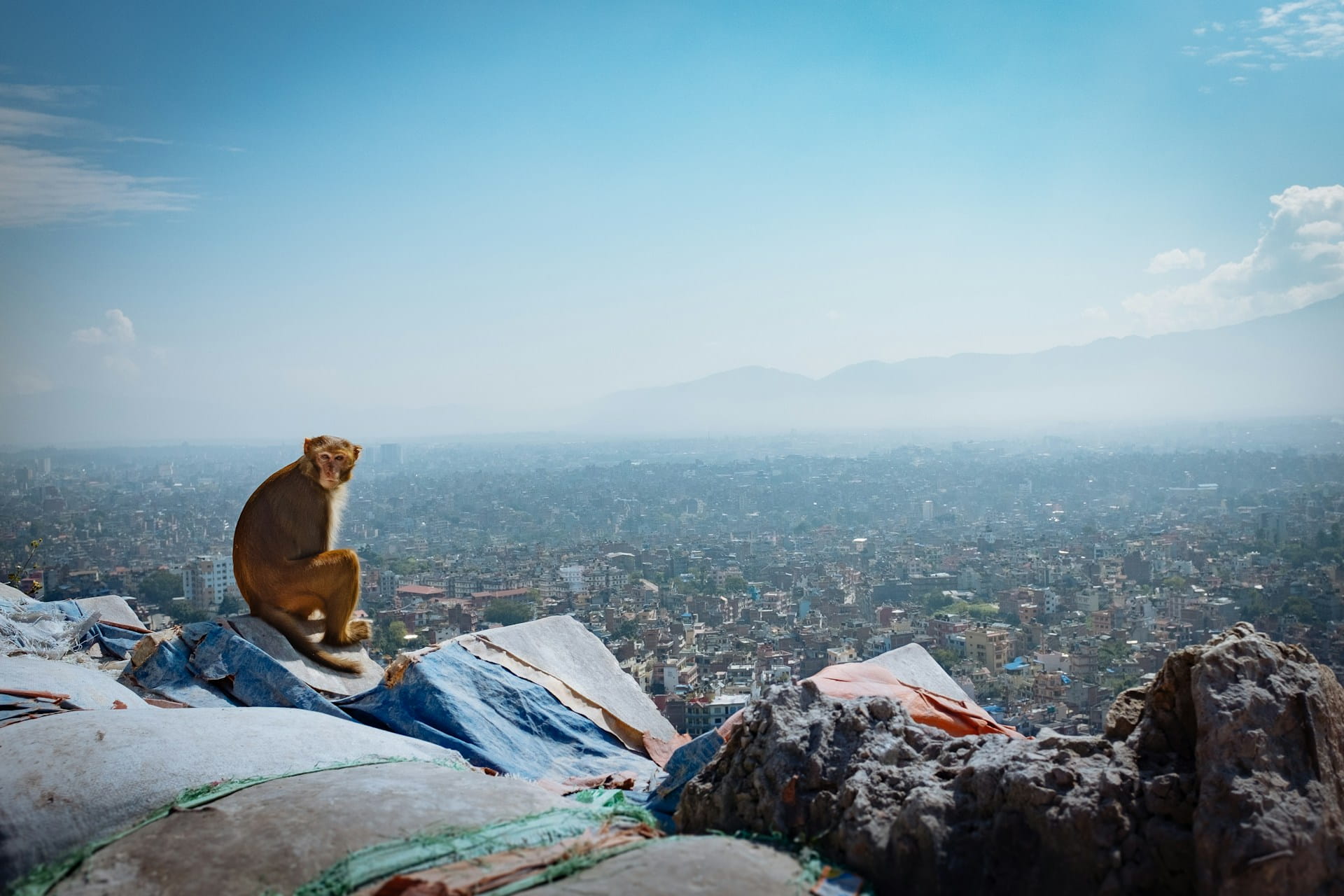
A Buddhist stupa on a hilltop overlooking the Kathmandu valley, commonly known as the Monkey Temple for the macaques living on the grounds. Reaching the stupa platform involves a stepped climb (a longer, gentler vehicle-accessible route is also available). Prayer wheels line the stupa’s base — walk clockwise around them, following standard Buddhist practice.
Boudhanath Stupa
One of the largest stupas in the world and a major center for the Tibetan Buddhist community in Kathmandu. The area around the stupa is ringed with monasteries, shops, and cafes; walking a clockwise circuit (kora) around the stupa is standard practice for visitors as well as pilgrims.
Pashupatinath Temple
Nepal’s most important Hindu temple, dedicated to Shiva, on the banks of the Bagmati River. Non-Hindu visitors are not permitted to enter the main temple building and inner sanctum, but can visit the surrounding complex and view the main temple from terraces across the river.
Cremation ceremonies take place on the riverside ghats and may be visible from public areas — these are sacred, personal moments, and visitors should observe respectfully from a distance rather than approaching closely or photographing individuals.
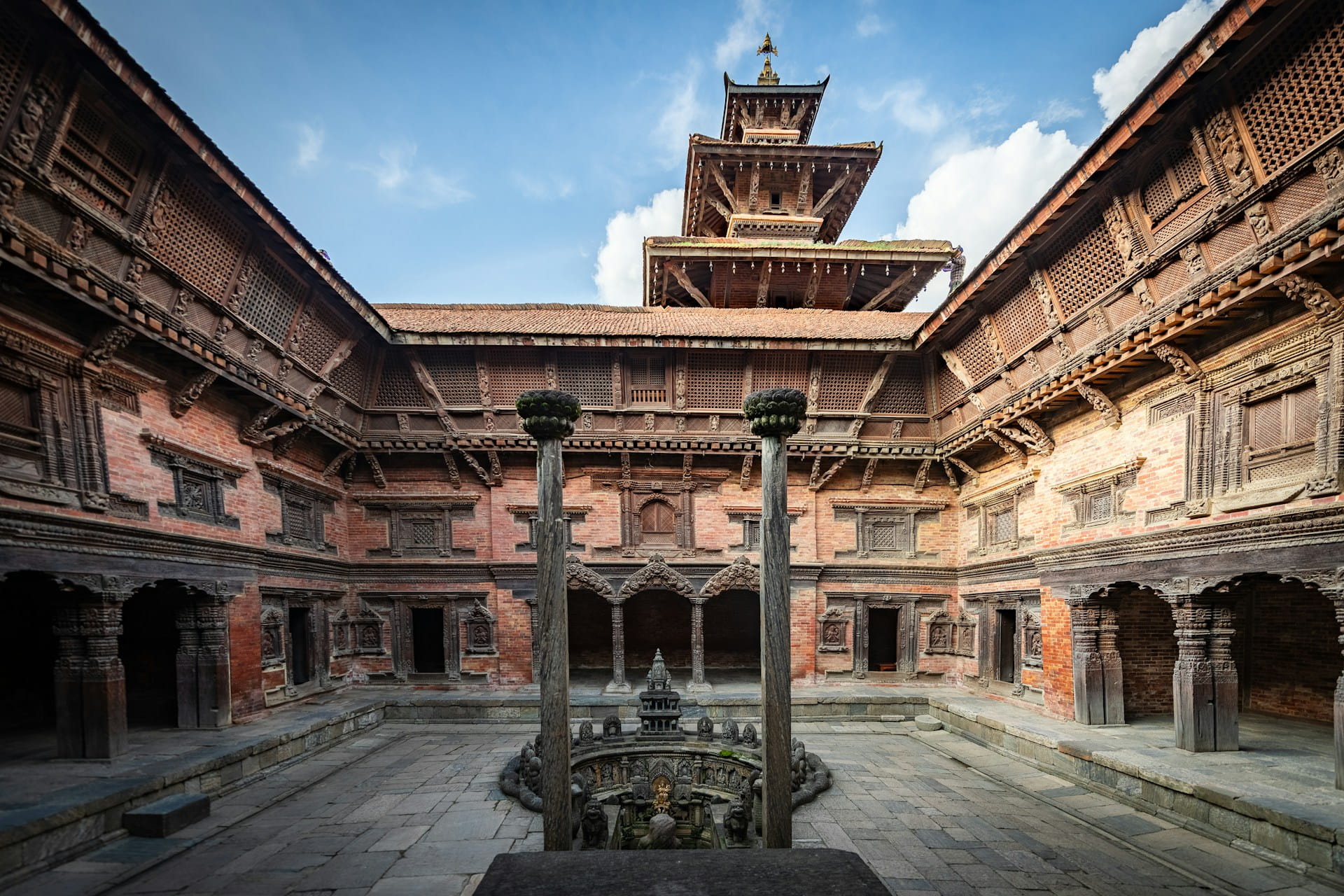
Patan Durbar Square
Located in Lalitpur, just south of central Kathmandu across the Bagmati River, Patan’s Durbar Square is known for its density of Newari stone and metal craftsmanship, including the Krishna Mandir temple.
Patan has a long tradition of metalworking, and workshops in the surrounding streets still produce statues and ritual objects using traditional methods.
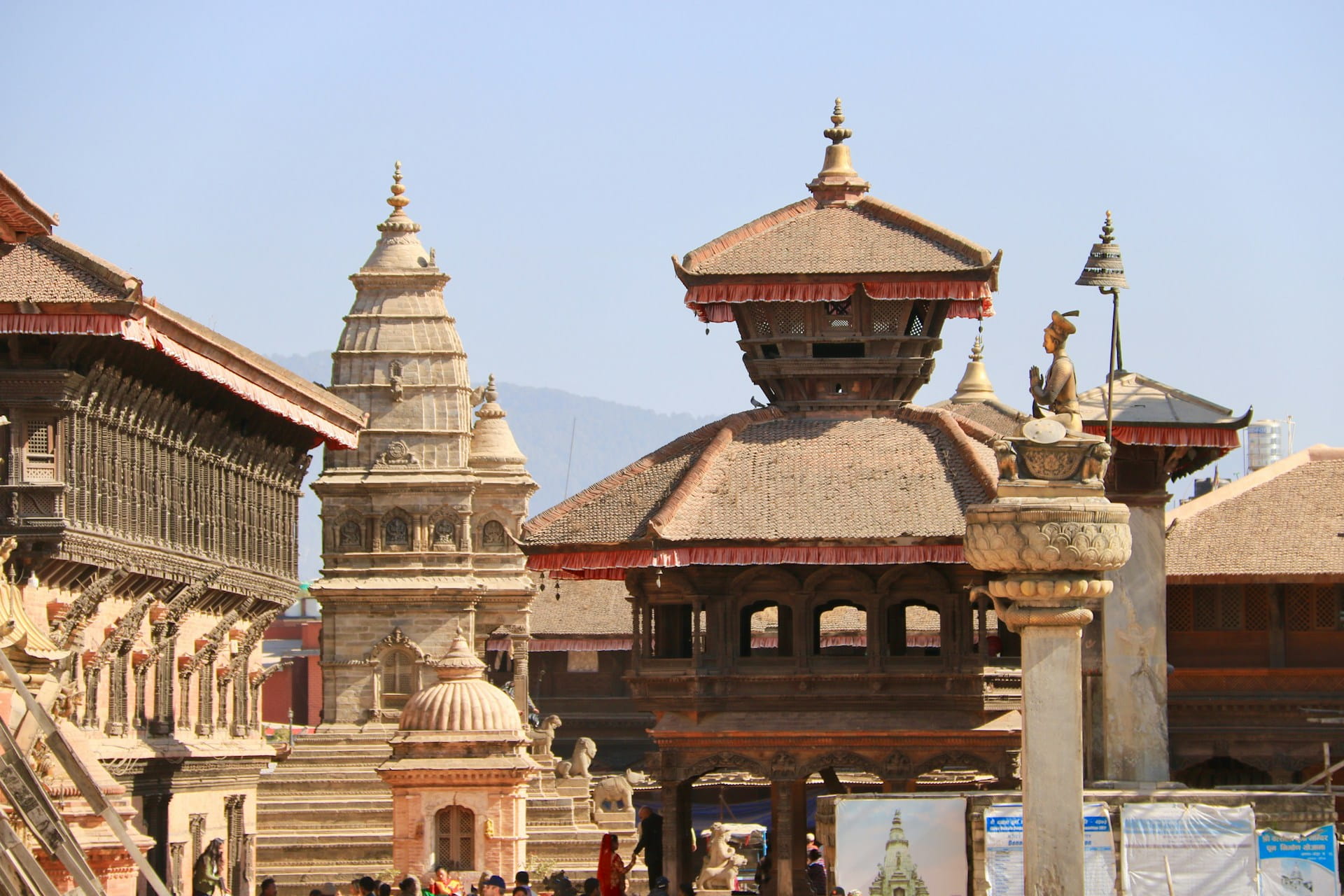
Bhaktapur Durbar Square
Generally considered the best-preserved of the valley’s three Durbar Squares, with an entry fee separate from the other two squares that goes toward ongoing conservation. Bhaktapur’s old city core is largely car-free, with pottery and weaving still practiced in parts of the city.
Changu Narayan Temple
One of the oldest temple sites in the Kathmandu Valley, located on a hilltop near Bhaktapur, dedicated to Vishnu. It’s typically a shorter stop, with stone and wood carvings dating back centuries around the temple courtyard.
Other Included Attractions
Depending on timing, Day 4’s free time can be used for Thamel (Kathmandu’s main tourist and shopping district) or the Garden of Dreams, a landscaped neoclassical garden near Thamel — ask your guide about adding either into your schedule.
Kathmandu Valley Culture and Heritage
The Kathmandu Valley was historically divided into three separate kingdoms — Kathmandu, Patan, and Bhaktapur — each of which built its own Durbar Square as a royal and religious center.
That history is why the three squares, though geographically close, look and feel distinct: each city-state competed to build the most elaborate palace and temple complex. Understanding this rivalry helps explain why the valley has three separate UNESCO-listed squares rather than one.
Newari Architecture and Culture
The Newar people are the historical inhabitants of Kathmandu Valley, and their architectural style — multi-tiered pagoda roofs, carved wooden struts and windows, and brick courtyards — defines most of what you’ll see at the Durbar Squares.
Newari cuisine, distinct from the momos and dal bhat found valley-wide, is worth trying in Bhaktapur or Patan if your guide can point you to a local spot; specialties include buffalo dishes, beaten rice (chiura), and fermented preparations tied to specific festivals.
Tour Difficulty and Accessibility
This tour involves moderate walking — cobblestone and stone-paved courtyards, some stairs (notably at Swayambhunath and along Pashupatinath’s riverside terraces), and uneven surfaces in the older parts of Bhaktapur and Patan.
It is not physically demanding in the way a trek is, but it is not step-free either. Travelers with mobility limitations should mention this at booking, since some areas (particularly Swayambhunath’s stepped approach) have limited alternatives.
Transportation
Private vehicle transport is provided between all sites and for hotel transfers. Kathmandu’s traffic can extend travel times between sites that appear close on a map, particularly during weekday rush periods; the itinerary builds in time for this rather than assuming free-flowing roads.
Accommodation
Accommodation for 3 nights is included, based on the itinerary above (typically Kathmandu, with a possible overnight closer to Bhaktapur depending on final scheduling). Specific hotel category and location are confirmed at booking.
Meals & Drinking Water
Daily breakfast is included. Lunch and dinner are not included, giving flexibility to eat at restaurants of your choice in each area — Thamel, Patan, and Bhaktapur all have a range of options.
Bottled water is available throughout the valley; carrying a reusable bottle is a practical, lower-cost alternative.
Entrance Fees / Entry Requirements
Entrance fees are charged separately at each major site and are not included in the US$295 package price. Kathmandu Durbar Square, Bhaktapur Durbar Square, Patan Durbar Square, Swayambhunath, Boudhanath, and Pashupatinath each have their own entry fee, generally higher for foreign visitors than for Nepali or SAARC nationals.
Foreign visitors pay a heritage-site fee at Pashupatinath, and similar per-site fees apply at the Durbar Squares and major stupas. Fees can change, so confirm current amounts with your guide before each visit and carry cash in Nepali rupees.
Best Time to Visit
Season Comparison
| Season | Months | Conditions |
|---|---|---|
| Spring | March – May | Warm days, generally clear skies, comfortable for walking |
| Summer/Monsoon | June – August | Frequent afternoon rain, humid, occasional flooding on lower streets |
| Autumn | September – November | Most reliable season — clear skies, comfortable temperatures, major festivals (Dashain, Tihar) |
| Winter | December – February | Cool, generally dry days, cold mornings and evenings |
Weather Overview
Kathmandu Valley’s climate is temperate compared to the mountains — spring and autumn are the most comfortable seasons for a walking-heavy sightseeing tour. Monsoon season brings regular afternoon rain that can affect outdoor sections of the itinerary, particularly stone courtyards that become slippery when wet.
Winter is generally dry but cold in the early morning, particularly for an early Boudhanath or Pashupatinath visit.
What to Bring
| Category | Items |
|---|---|
| Clothing | Comfortable walking clothes, modest clothing for temples (shoulders and knees covered), layers for temperature changes |
| Footwear | Comfortable walking shoes with reasonable grip for uneven stone surfaces |
| Weather Gear | Light rain jacket or umbrella (June–September), sun hat and sunscreen |
| Cash | Nepali rupees in small denominations for entrance fees, lunch/dinner, and personal purchases |
| Other | Camera or phone, hand sanitizer, reusable water bottle |
Cost Breakdown
The US$295 per-person price covers 3 nights’ accommodation, a guide, private transportation, and daily breakfast. Entrance fees at individual sites are not included.
| Cost Component | Covered |
|---|---|
| Accommodation (3 nights) | Yes |
| English-speaking guide | Yes |
| Private ground transportation | Yes |
| Daily breakfast | Yes |
| Lunch and dinner | No |
| Site entrance fees | No — paid on-site |
Optional Services / Customization
- Add Changu Narayan or other nearby sites if not already scheduled
- Extend the tour with a Nagarkot sunrise/mountain-view excursion
- Arrange specific restaurant bookings for lunch or dinner
- Combine with a Pokhara or trekking package for a longer Nepal itinerary
Responsible and Respectful Tourism
Pashupatinath, Boudhanath, and the Durbar Squares are active religious and civic sites, not museums. Trek Trove Nepal asks travelers to dress modestly (shoulders and knees covered) at temples, remove shoes where required, avoid photographing individuals — especially at cremation ceremonies at Pashupatinath — without asking first, and follow the clockwise walking direction around stupas and prayer wheels at Buddhist sites.
Practical Travel Tips
- Carry small-denomination Nepali rupees for entrance fees at each site — these add up over four days.
- Wear shoes you can slip on and off easily, since several temples require removing footwear before entering.
- Visit Bhaktapur earlier in the day if possible — both traffic and crowds build up by midday.
- At Pashupatinath, photography inside the main sanctum and during religious ceremonies is not appropriate; use judgment around cremation ghats.
- If visiting during Dashain or Tihar (autumn), expect larger crowds at major temples and plan extra time.
Book the Kathmandu Valley Tour – 4 Days
If you want to see Kathmandu Valley’s major heritage sites properly rather than rushing through them in a day or two, this itinerary gives each historic square and religious site the time it needs.
Contact Trek Trove Nepal to check availability, confirm your dates, and discuss any adjustments to the itinerary for your group.
Highlights of Kathmandu Sightseeing Tour
- All three historic Durbar Squares, each given its own time — Kathmandu, Patan, and Bhaktapur were once separate rival kingdoms, and this itinerary treats them as three distinct destinations rather than a single rushed "old city" stop.
- Both major Buddhist stupas in the valley — Swayambhunath on its hilltop above the city, and Boudhanath, one of the largest stupas in the world, ringed by working monasteries rather than a single monument in isolation.
- Pashupatinath, with realistic access explained upfront — Nepal's most important Hindu temple complex, where non-Hindu visitors can't enter the main sanctum but can visit the surrounding complex and view the temple from across the Bagmati River — so you know what you'll actually see before you go.
- Bhaktapur's largely car-free old city — cobblestone squares where pottery and weaving are still practiced, generally considered the best-preserved of the valley's three Durbar Squares.
- Patan's concentration of Newari craftsmanship — a city with an active metalworking tradition, where workshops near the Durbar Square still produce statues and ritual objects by hand.
- A guide for the details that aren't obvious — which direction to walk around a stupa, when shoes come off, where photography isn't appropriate — rather than being left to guess at etiquette on the spot.
- Changu Narayan where scheduled — one of the valley's oldest temple sites, added onto the Bhaktapur day rather than requiring a separate trip.
- A pace built around Kathmandu's traffic, not against it — Bhaktapur scheduled earlier in the day, buffer time between sites, so the itinerary isn't fighting rush-hour timing on paper only to fall apart on the road.