
-
Spring, Autumn
-
Kathmandu
-
Hotel
-
Guided
-
BLD
-
Bus, flight
Buddhist Pilgrimage Tour in Nepal Overview
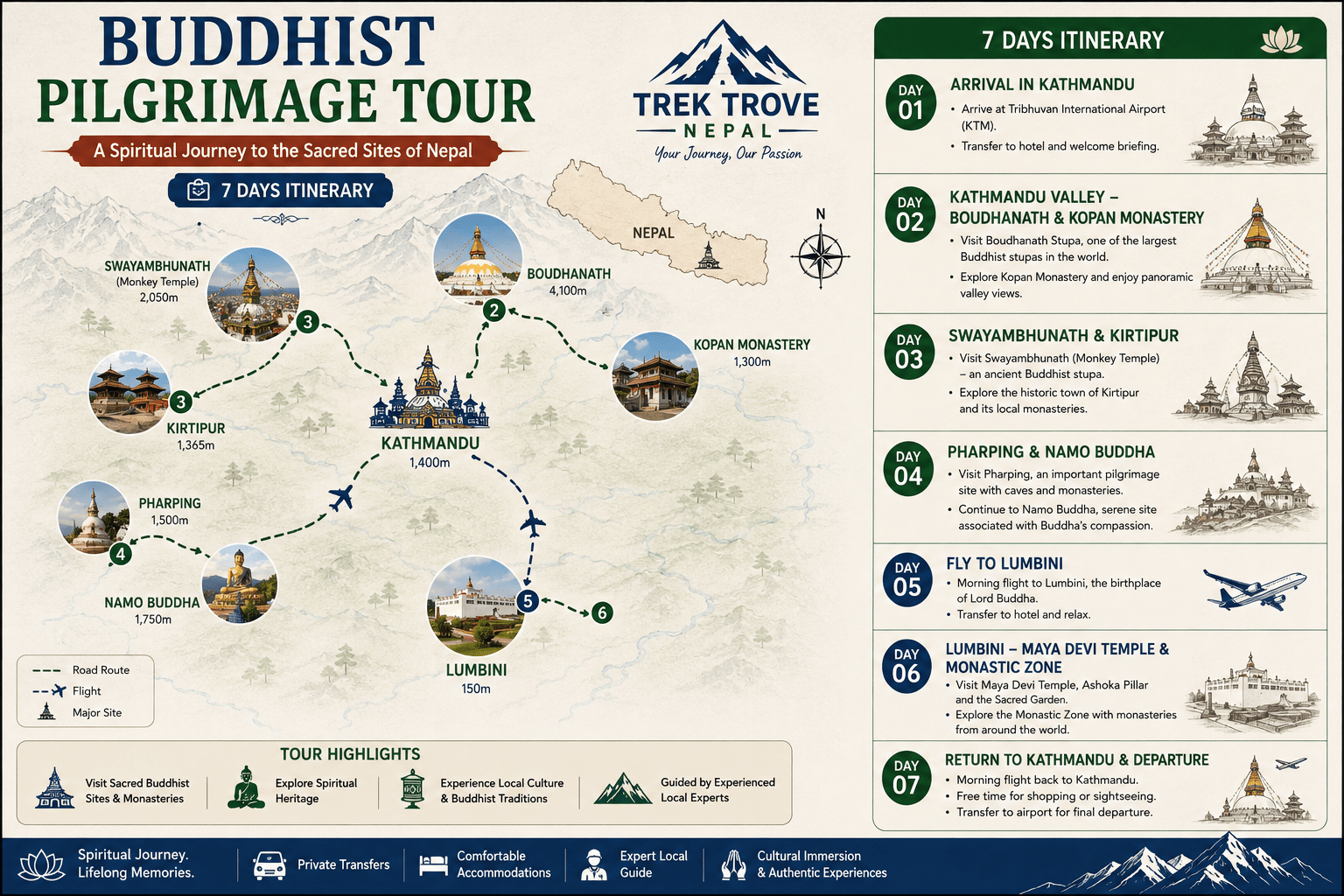
Nepal is the birthplace of Lord Bddha and home to some of the most significant Buddhist heritage sites in the world. This 7-day Buddhist Pilgrimage Tour in Nepal takes you through Kathmandu Valley and Lumbini, connecting the places where Buddhism began, developed, and continues to be practiced today.
This package is designed for pilgrims, practicing Buddhists, students of Buddhist history, and travelers seeking a structured, respectful, and well-organized route through Nepal’s most important Buddhist sites — with private transportation, experienced guiding, and accommodation suited to pilgrimage travel.
Buddhist Pilgrimage Tour Quick Facts Table
| Detail | Information |
|---|---|
| Tour Name | Buddhist Pilgrimage Tour in Nepal |
| Duration | 7 Days / 6 Nights |
| Starting Point | Kathmandu |
| Ending Point | Kathmandu |
| Group Size | Private or small group (customizable) |
| Tour Type | Cultural & Spiritual Pilgrimage |
| Destinations | Kathmandu, Kirtipur, Pharping, Namo Buddha, Lumbini |
| Transportation | Private vehicle / domestic flight (Kathmandu–Bhairahawa) |
| Accommodation | 3-star to 4-star hotels (upgrade options available) |
| Best Season | September to May |
| Difficulty | Easy – suitable for most fitness levels |
| Guide | English-speaking local Buddhist heritage guide |
Buddhist Pilgrimage Tour Overview
This itinerary covers two core regions of Nepal’s Buddhist heritage:
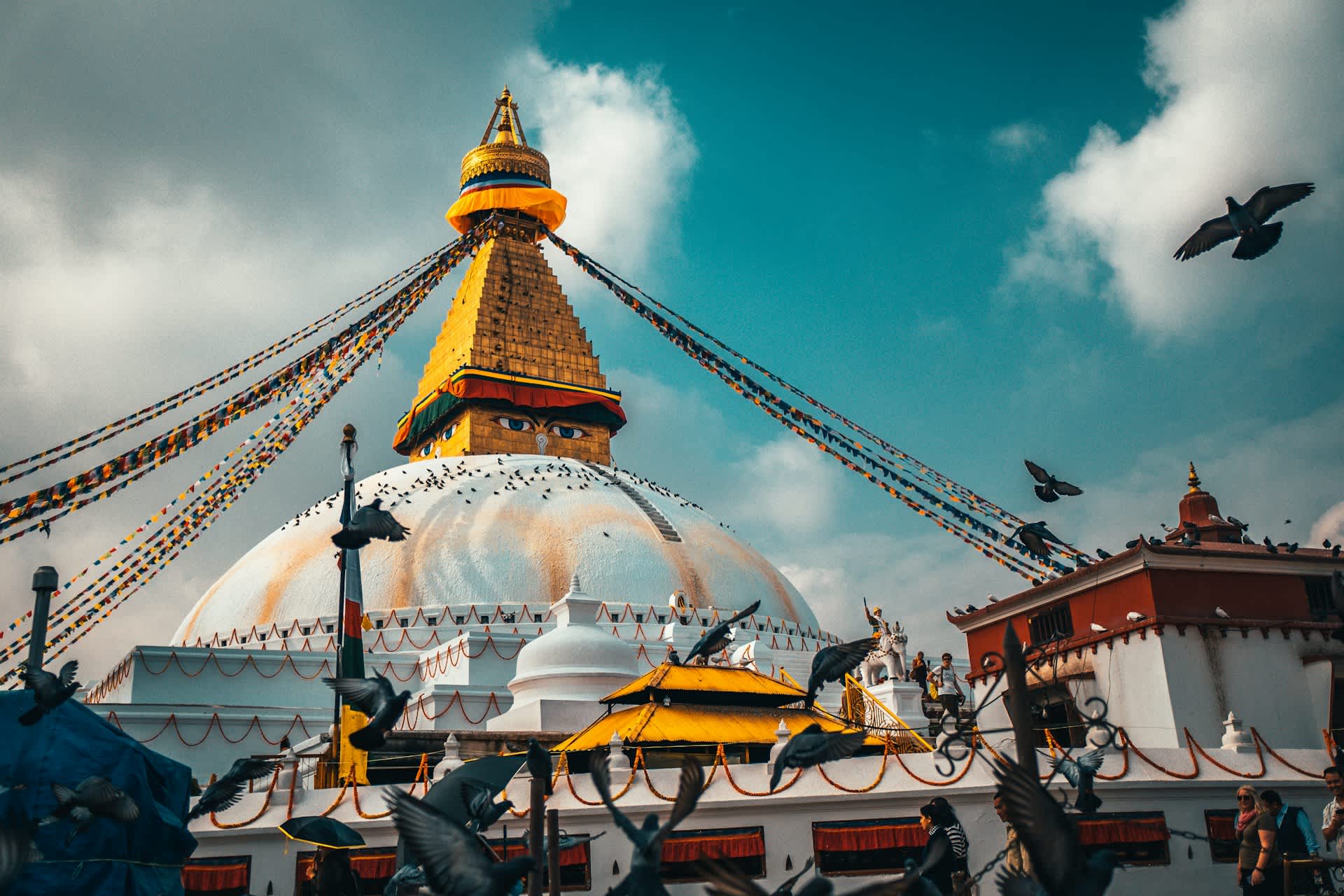
- Kathmandu Valley — home to Boudhanath Stupa, Swayambhunath Stupa, Kopan Monastery, Pharping, and Namo Buddha, representing centuries of Tibetan, Newar, and Vajrayana Buddhist practice.
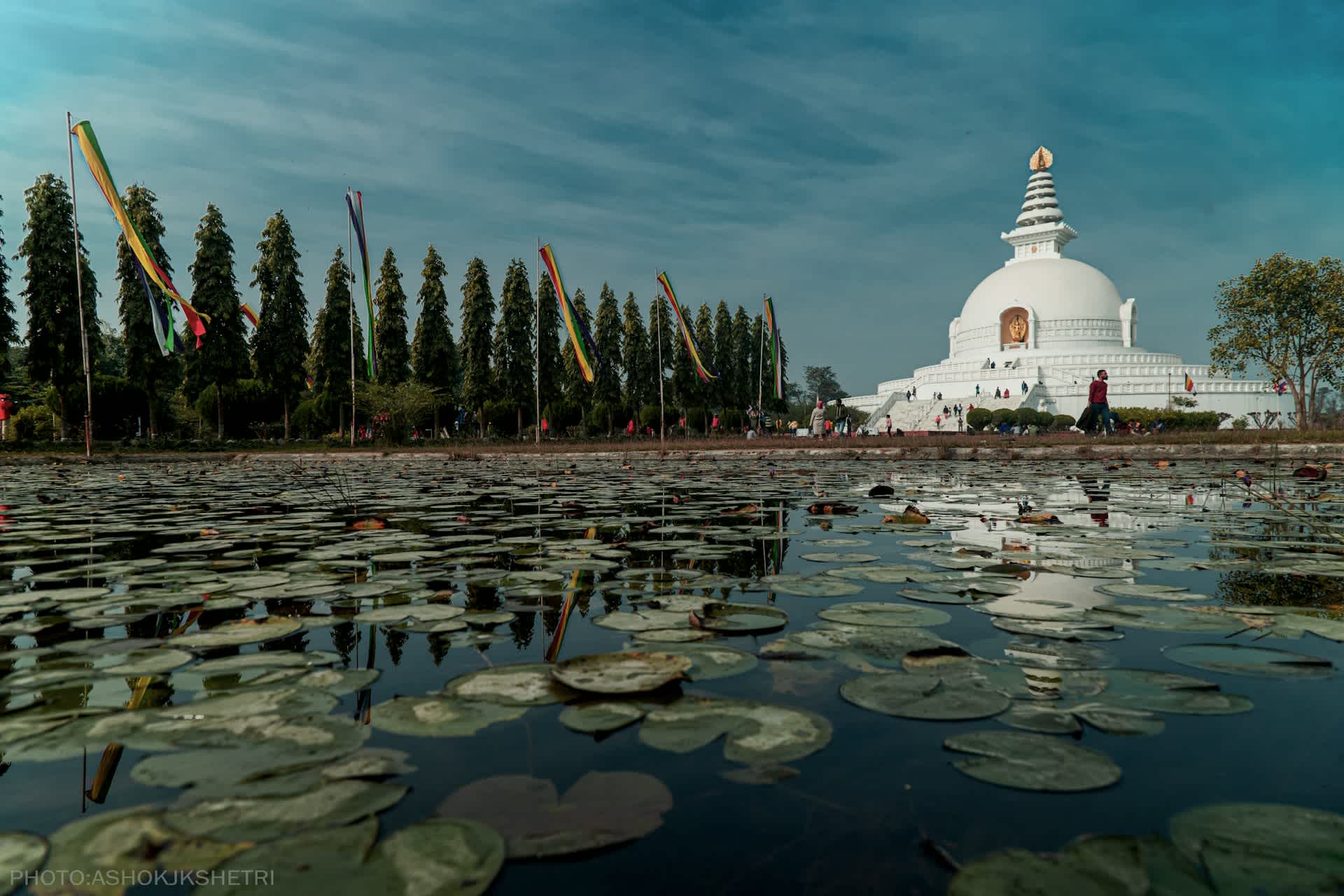
- Lumbini — the birthplace of Siddhartha Gautama (Lord Buddha), including the Maya Devi Temple, the Sacred Garden, the Ashoka Pillar, and the surrounding monastic zone built by different Buddhist nations.
Rather than rushing between sites, the itinerary allows time to observe rituals, walk stupa circuits, visit monasteries during active prayer sessions where permitted, and understand the historical and doctrinal context of each location from a knowledgeable guide.
Why Choose This Buddhist Pilgrimage Tour
- Covers both essential regions — Kathmandu Valley monasteries and stupas, plus Lumbini, without unnecessary detours.
- Guided by someone who understands Buddhist heritage, not just general sightseeing commentary — including differences between Theravada, Vajrayana, and Tibetan Buddhist practices found at different sites.
- Flexible pacing for elderly pilgrims, meditation practitioners, or families.
- Private transportation throughout, avoiding the delays and unpredictability of public transport on pilgrimage days.
- Local operator based in Nepal — Trek Trove Nepal handles permits, entrance coordination, and logistics directly, rather than through third-party subcontracting.
Overview of Buddhist Pilgrimage Tour 7-Day Itinerary
Day 1: Arrival in Kathmandu
Arrival at Tribhuvan International Airport, transfer to hotel, and an orientation briefing covering the pilgrimage route, temple etiquette, and the week ahead. Short rest and, depending on arrival time, an optional evening visit to Boudhanath for the sunset prayer circuit.
Day 2: Kathmandu Valley – Boudhanath & Kopan Monastery
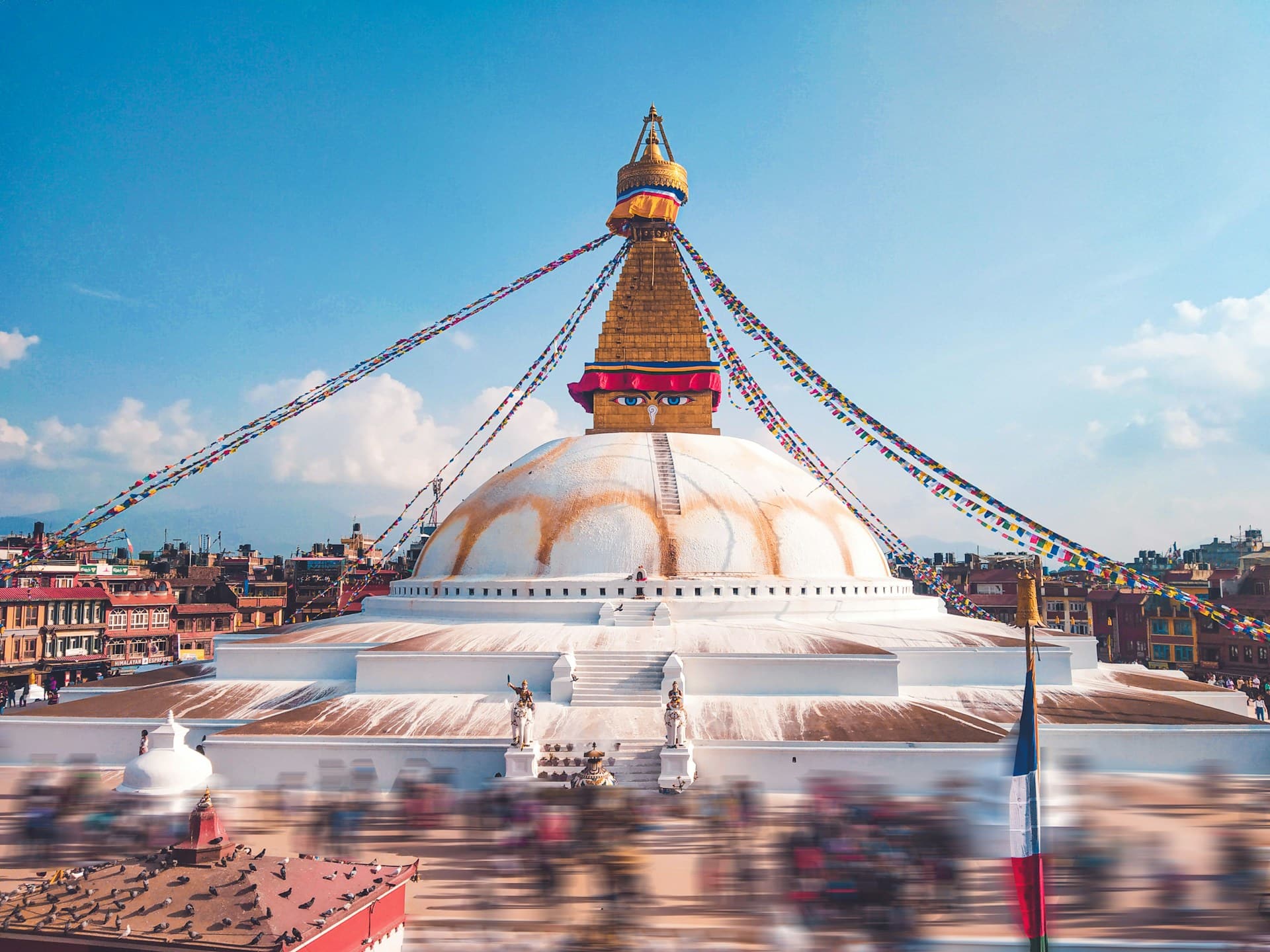
Morning visit to Boudhanath Stupa to observe the morning circumambulation and butter lamp offerings. Continue to Kopan Monastery to see the monastic complex and, where schedules allow, observe a teaching or prayer session. Afternoon free for rest or optional meditation session.
Day 3: Swayambhunath & Kirtipur
Morning visit to Swayambhunath Stupa, including the surrounding shrines and viewpoint over Kathmandu Valley. Continue to Kirtipur, a historic Newar town with Buddhist and Hindu shrines reflecting the valley’s shared religious history.
Day 4: Pharping & Namo Buddha
Full-day excursion to Pharping to visit meditation caves and Vajrayana Buddhist sites, followed by a drive to Namo Buddha, associated with a well-known Jataka story. Return to Kathmandu in the evening.
Day 5: Fly to Lumbini
Morning domestic flight from Kathmandu to Bhairahawa (Gautam Buddha Airport), followed by a short transfer to Lumbini. Afternoon orientation walk around the Lumbini Development Trust area.
Day 6: Lumbini – Maya Devi Temple & Monastic Zone
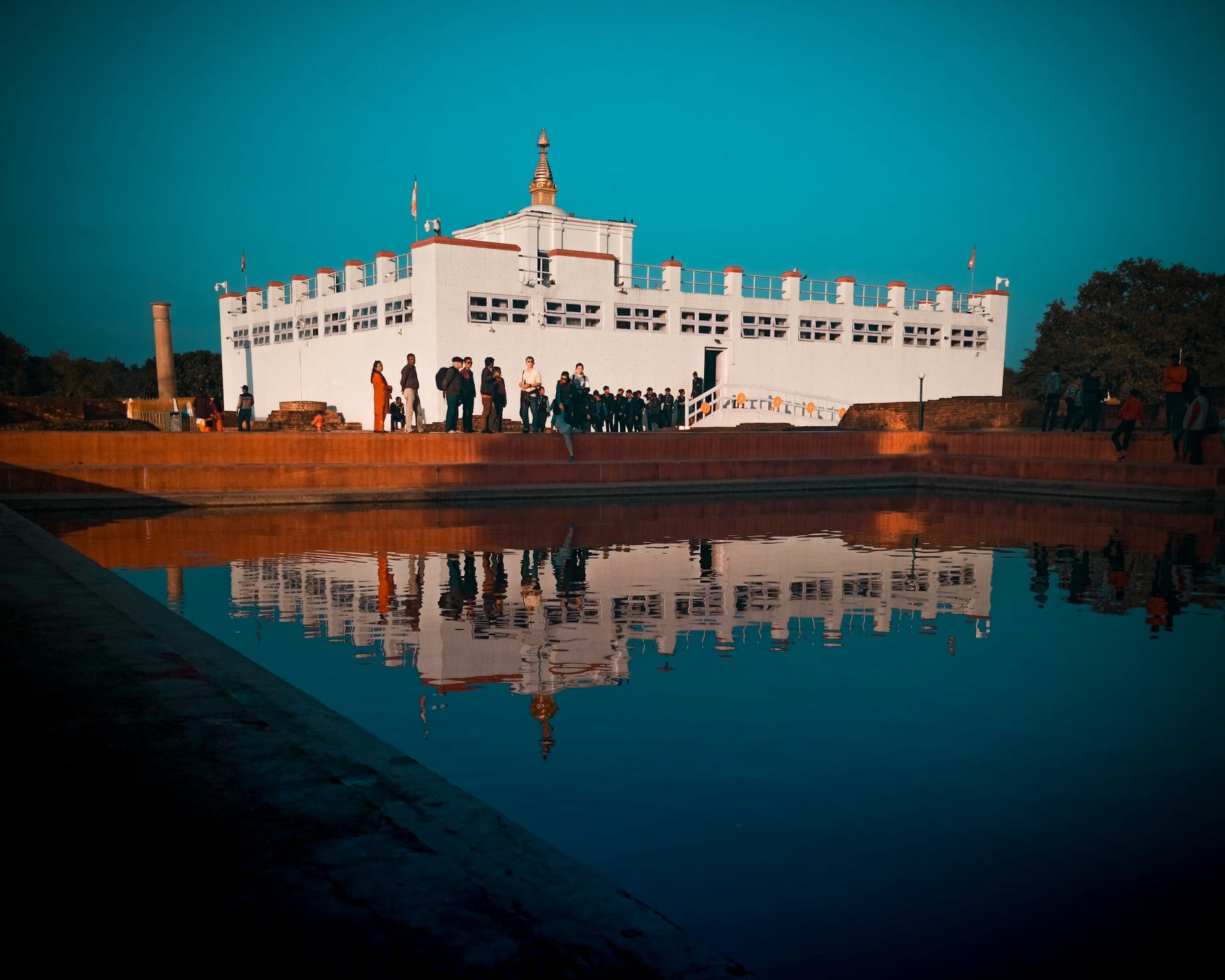
Full day in Lumbini visiting the Maya Devi Temple, the Sacred Garden, the Ashoka Pillar, the Puskarini (sacred pond), and a selection of monasteries in the Monastic Zone representing different Buddhist countries. Time is built in for quiet reflection or meditation at the Sacred Garden.
Day 7: Return to Kathmandu & Departure
Morning flight back to Kathmandu. Depending on international flight timing, a final visit to a site of your choice or free time for shopping before airport transfer and departure.
Major Buddhist Sites Included
| Site | Location | Significance |
|---|---|---|
| Boudhanath Stupa | Kathmandu | UNESCO World Heritage Site; center of Tibetan Buddhist community life in Nepal |
| Swayambhunath Stupa | Kathmandu | UNESCO World Heritage Site; one of the oldest religious sites in Kathmandu Valley |
| Kopan Monastery | Kathmandu | Active Tibetan Buddhist monastery known for meditation and teaching programs |
| Pharping | Kathmandu Valley | Vajrayana Buddhist meditation caves and shrines |
| Namo Buddha | Kavre district | Site linked to a Jataka tale about the Buddha’s past-life compassion |
| Maya Devi Temple | Lumbini | Traditionally recognized birthplace of Lord Buddha; UNESCO World Heritage Site |
| Ashoka Pillar | Lumbini | Inscribed stone pillar erected by Emperor Ashoka marking Lumbini’s significance |
| Lumbini Monastic Zone | Lumbini | Monasteries built by various Buddhist nations reflecting different traditions |
Spiritual and Cultural Experiences
- Observing (and, where appropriate, joining) the circumambulation of stupas — a practice common across Tibetan and Newar Buddhist traditions.
- Turning prayer wheels and viewing prayer flags at monasteries and stupas.
- Lighting butter lamps at Boudhanath, a common devotional practice.
- Sitting in on monastic prayer or chanting sessions where permitted by the monastery.
- Quiet meditation time at Lumbini’s Sacred Garden, near the Maya Devi Temple.
Guides will indicate which practices visitors are welcome to participate in and which are reserved for practicing Buddhists or monastic residents.
Buddhist Heritage and Significance
Nepal’s Buddhist sites reflect more than one tradition. Kathmandu Valley’s stupas and monasteries are shaped largely by Newar Buddhism and Tibetan Vajrayana Buddhism, brought and sustained by Tibetan refugee communities and monastic institutions established from the mid-20th century onward.
Lumbini, by contrast, is a Theravada-significant historical site recognized internationally as Buddha’s birthplace, with monasteries built by Theravada, Mahayana, and Vajrayana countries side by side in the Monastic Zone — making it one of the few places where multiple Buddhist traditions are represented within a single pilgrimage complex.
Daily Sightseeing / Travel Table
| Day | Region | Key Sites | Travel Mode |
|---|---|---|---|
| 1 | Kathmandu | Arrival, orientation | Airport transfer |
| 2 | Kathmandu | Boudhanath, Kopan Monastery | Private vehicle |
| 3 | Kathmandu | Swayambhunath, Kirtipur | Private vehicle |
| 4 | Kathmandu Valley | Pharping, Namo Buddha | Private vehicle |
| 5 | Kathmandu → Lumbini | Flight, orientation walk | Domestic flight + transfer |
| 6 | Lumbini | Maya Devi Temple, Ashoka Pillar, Monastic Zone | Walking + local transfer |
| 7 | Lumbini → Kathmandu | Departure | Domestic flight + airport transfer |
Buddhist Pilgrimage Tour Accommodation
Standard 3-star hotels are used in Kathmandu and Lumbini, offering private rooms, attached bathrooms, and breakfast. Hotels are selected for proximity to pilgrimage sites to reduce daily travel time. Upgrades to 4-star properties are available on request, along with single-room supplements for solo travelers.
| Location | Nights | Hotel Category |
|---|---|---|
| Kathmandu | 4 | 3-star (upgrade to 4-star available) |
| Lumbini | 2 | 3-star (upgrade to 4-star available) |
Transportation
- Private air-conditioned vehicle for all Kathmandu Valley sightseeing and airport transfers.
- Domestic flight between Kathmandu and Bhairahawa (Gautam Buddha Airport) for the Lumbini portion of the trip, chosen over road travel to reduce transit time given the distance.
- All transfers between hotels, airports, and sightseeing points are included.
Meals
Daily breakfast is included at all hotels. Lunch and dinner are not included by default, allowing flexibility to try local restaurants, though full-board options can be arranged on request, including vegetarian and Buddhist-appropriate meal options.
Professional Guide
An English-speaking guide with knowledge of Buddhist history, ritual practice, and site-specific etiquette accompanies the group throughout the Kathmandu Valley and Lumbini portions of the tour.
The guide coordinates entrance logistics, explains what is and isn’t appropriate at each site, and can answer questions about the differences between the Buddhist traditions represented at each location.
Entrance Fees and Donations
Entrance fees for major sites (Boudhanath, Swayambhunath, Lumbini’s Maya Devi Temple complex) are included in the package cost. Some individual monasteries within the Lumbini Monastic Zone request voluntary donations rather than fixed entrance fees; guides will advise where this applies. Any optional monastery donations are at the traveler’s discretion and not included in the package price.
Best Time for the Pilgrimage
September to November and March to May offer the most comfortable weather for walking between sites and visiting outdoor areas like Lumbini’s Sacred Garden. December to February is cooler but still workable, particularly in Kathmandu.
The monsoon season (June to August) brings heavy rainfall, which can affect outdoor visits and, occasionally, domestic flight schedules to Bhairahawa.
Weather Overview
| Season | Months | Kathmandu | Lumbini |
|---|---|---|---|
| Autumn | Sep–Nov | Mild, clear skies | Warm days, cool evenings |
| Winter | Dec–Feb | Cool, occasional fog | Mild days, cool nights |
| Spring | Mar–May | Warm, generally clear | Warm to hot |
| Monsoon | Jun–Aug | Humid, frequent rain | Hot and humid, heavy rain |
Who Is This Tour Suitable For?
- Practicing Buddhists seeking a structured pilgrimage route
- Travelers interested in Buddhist history and architecture
- Families with older children or teenagers
- Elderly travelers, given the tour’s easy walking requirements
- Meditation practitioners wanting quiet time built into the schedule
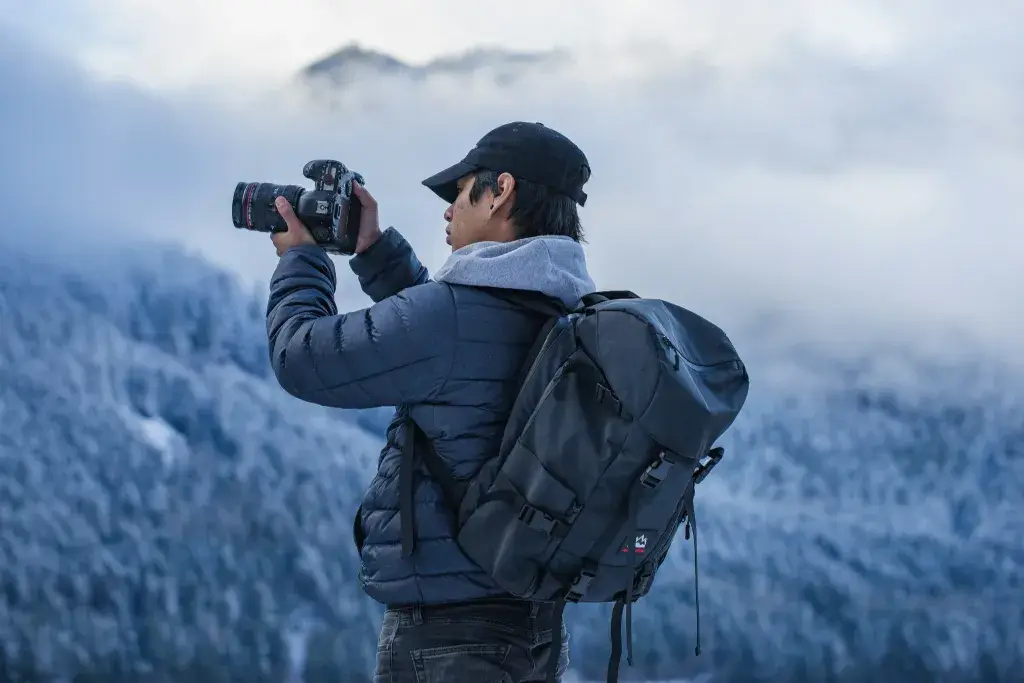
- Photographers interested in religious architecture and ritual practice (subject to site photography rules)
Accessibility and Walking Requirements
This tour involves light walking on paved or well-maintained paths — around stupa circuits, temple courtyards, and the Lumbini garden area. There are no strenuous hikes or high-altitude sections.
Some sites, particularly Swayambhunath, involve stairs; an alternative vehicle-accessible route to the top is available for travelers who prefer to avoid them.
Packing and Dress Guidelines
- Modest clothing covering shoulders and knees is required at most monasteries and temples.
- Comfortable, easily removable shoes are useful, as footwear is removed before entering many shrine areas.
- A light jacket or shawl is helpful for early-morning visits, particularly in winter.
- Sunscreen and a hat are recommended for the outdoor sections in Lumbini.
- Modest, respectful clothing is appreciated even at outdoor sites like the Sacred Garden.
Cultural and Religious Etiquette
- Walk clockwise around stupas and mani walls, following traditional practice.
- Ask before photographing monks, nuns, or active prayer ceremonies.
- Lower your voice inside monastery halls and shrine rooms.
- Avoid pointing your feet toward Buddha statues or shrines when seated.
- Follow guide instructions regarding areas closed to visitors during active ceremonies.
Cost Breakdown
Pricing depends on group size, hotel category, and season. The figures below are illustrative starting points; contact Trek Trove Nepal for a confirmed quote based on your travel dates and group size.
| Group Size | Approx. Price per Person (USD) |
|---|---|
| Solo traveler | Highest per-person rate (single supplement applies) |
| 2 people | Reduced per-person rate |
| 4–6 people | Further reduced per-person rate |
| 7+ people | Best per-person group rate |
Exact figures are confirmed at the time of booking based on current hotel rates, flight availability, and season.
Optional Experiences
- Guided meditation session at Kopan Monastery
- Extended stay at Lumbini for private meditation retreat time
- Visit to Kapilavastu and Tilaurakot (ancient Shakya kingdom ruins near Lumbini)
- Full-board meal upgrade
- Private car upgrade to a larger or more comfortable vehicle
Responsible and Respectful Tourism
Trek Trove Nepal asks travelers to treat all sites as active places of worship, not just tourist attractions. This means following dress codes, respecting photography restrictions, not interrupting ceremonies, and being mindful that many visitors on this route are pilgrims for whom these sites hold personal religious significance.
Ready to Begin Your Buddhist Pilgrimage in Nepal?
If you’re planning a Buddhist Pilgrimage Tour in Nepal, Trek Trove Nepal can arrange the full 7-day itinerary — accommodation, transportation, domestic flights, and guiding — based on your travel dates and group size. Contact Trek Trove Nepal to check availability and receive a detailed quote for this Buddhist Pilgrimage Tour Package.
Buddhist Pilgrimage Tour Highlights
- Circumambulate Boudhanath Stupa at sunrise or sunset, when the kora path fills with local Tibetan Buddhist residents spinning prayer wheels and reciting mantras — one of the few times visitors can observe daily devotional life up close rather than a staged tourist moment.
- Stand at the exact birthplace marker inside the Maya Devi Temple, where archaeological excavations identified the spot traditionally associated with the birth of Siddhartha Gautama, later Lord Buddha.
- See the Ashoka Pillar in Lumbini, inscribed by Emperor Ashoka in the 3rd century BCE to commemorate his pilgrimage to the site — one of the few pieces of physical evidence directly tied to Lumbini's historical significance.
- Walk through the Lumbini Monastic Zone, where monasteries built by countries including Myanmar, Thailand, Sri Lanka, China, Vietnam, and Tibet sit within the same complex, each reflecting the architectural and ritual style of its home tradition.
- Visit an active teaching monastery at Kopan, rather than only a preserved historical site — with the chance to see monks and nuns in daily study and prayer routines.
- Explore Pharping's meditation caves, associated in local tradition with Vajrayana practice and considered significant within the Tibetan Buddhist lineage present in the Kathmandu Valley.
- Trace the Namo Buddha Jataka story on-site, standing at the location traditionally linked to the tale, with monastery structures built around the associated stupa.
- Experience three distinct Buddhist traditions in one week — Newar Buddhism and Tibetan Vajrayana in Kathmandu Valley, and the Theravada, Mahayana, and Vajrayana influences represented across Lumbini — without needing to travel outside Nepal.
- Light a butter lamp or turn a prayer wheel as part of your own visit, guided on when and where this is appropriate for non-practitioners to participate.
- Sit quietly in Lumbini's Sacred Garden, one of the only points in the itinerary with no fixed schedule — built in deliberately for reflection or meditation near the birthplace site.