
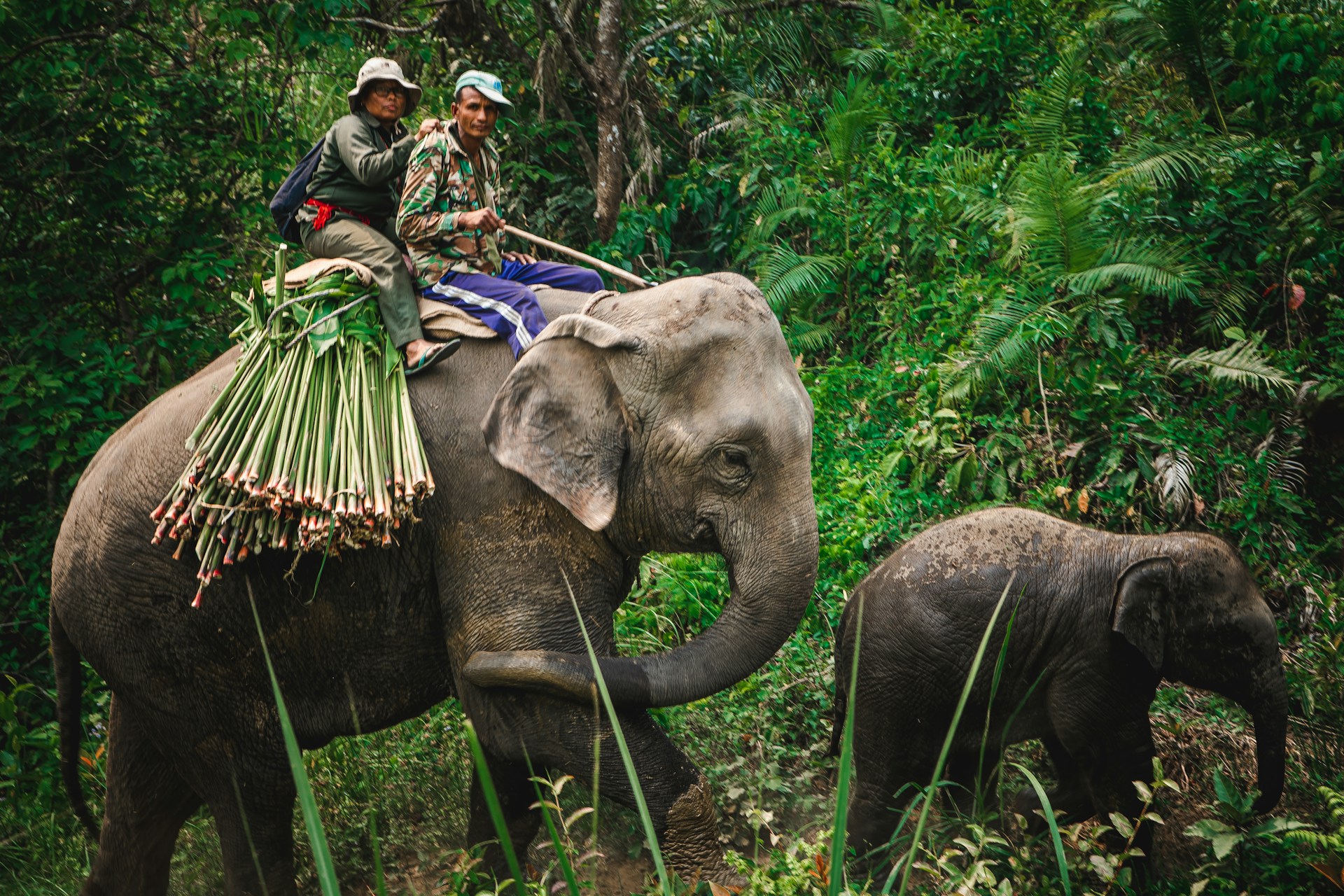
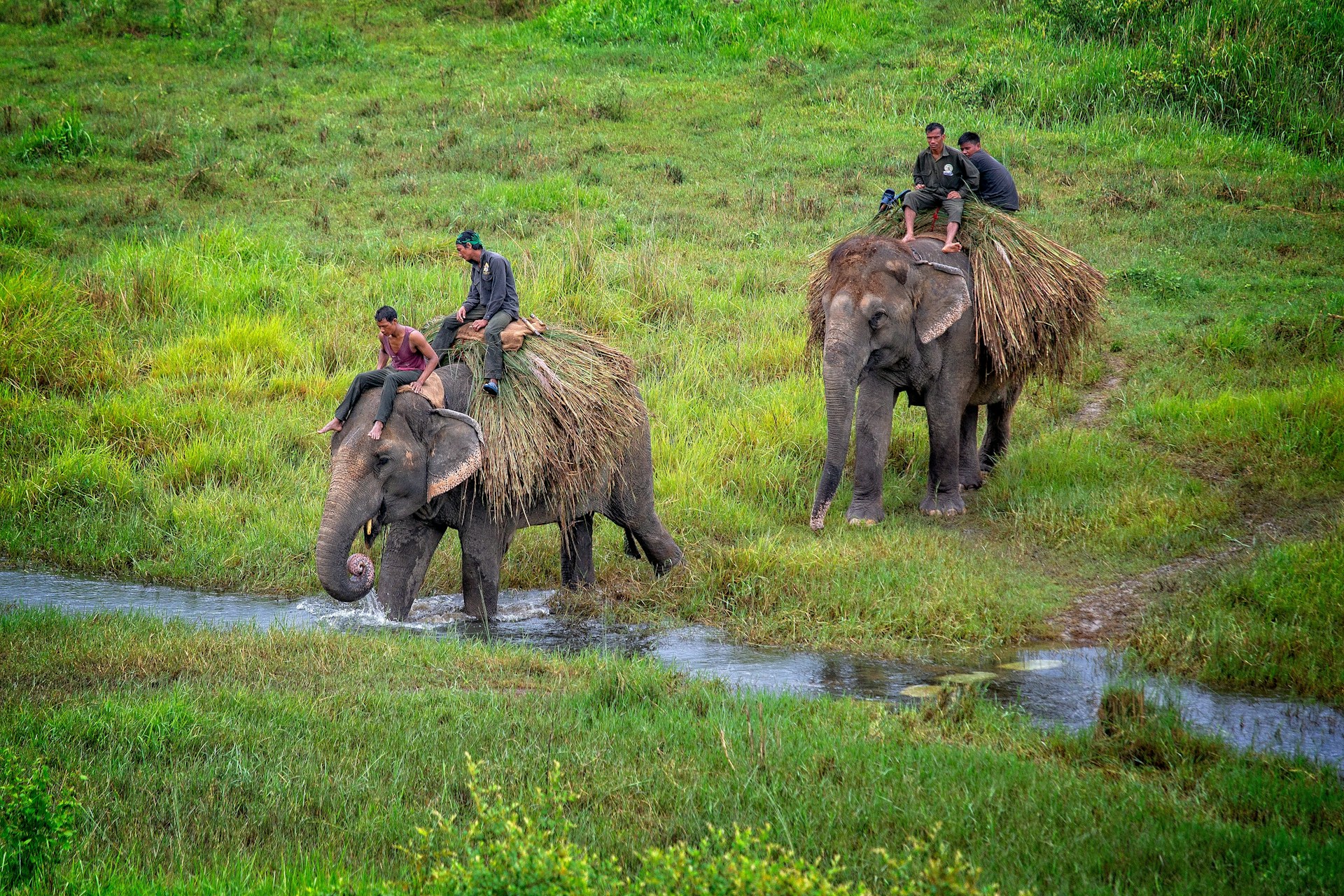
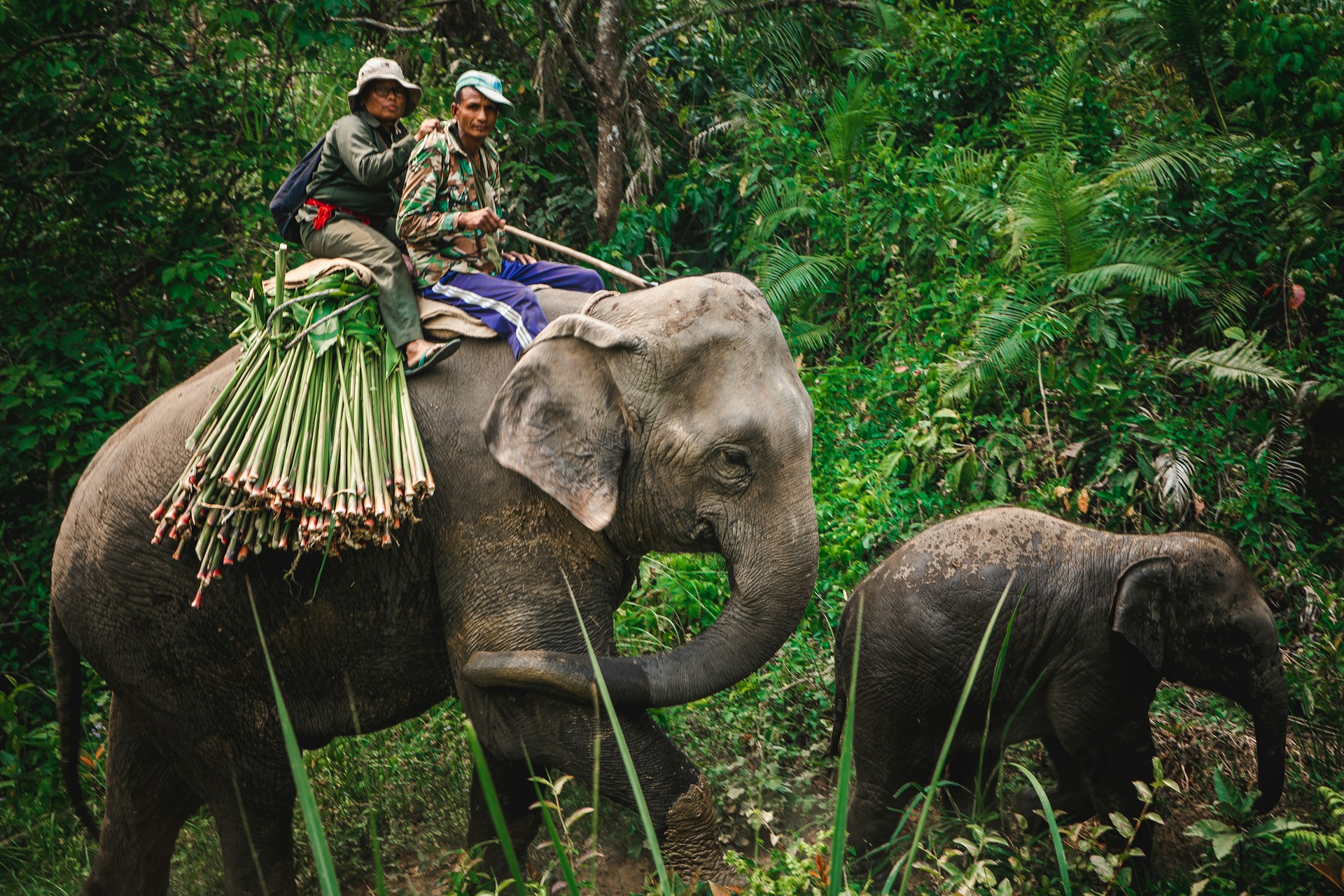
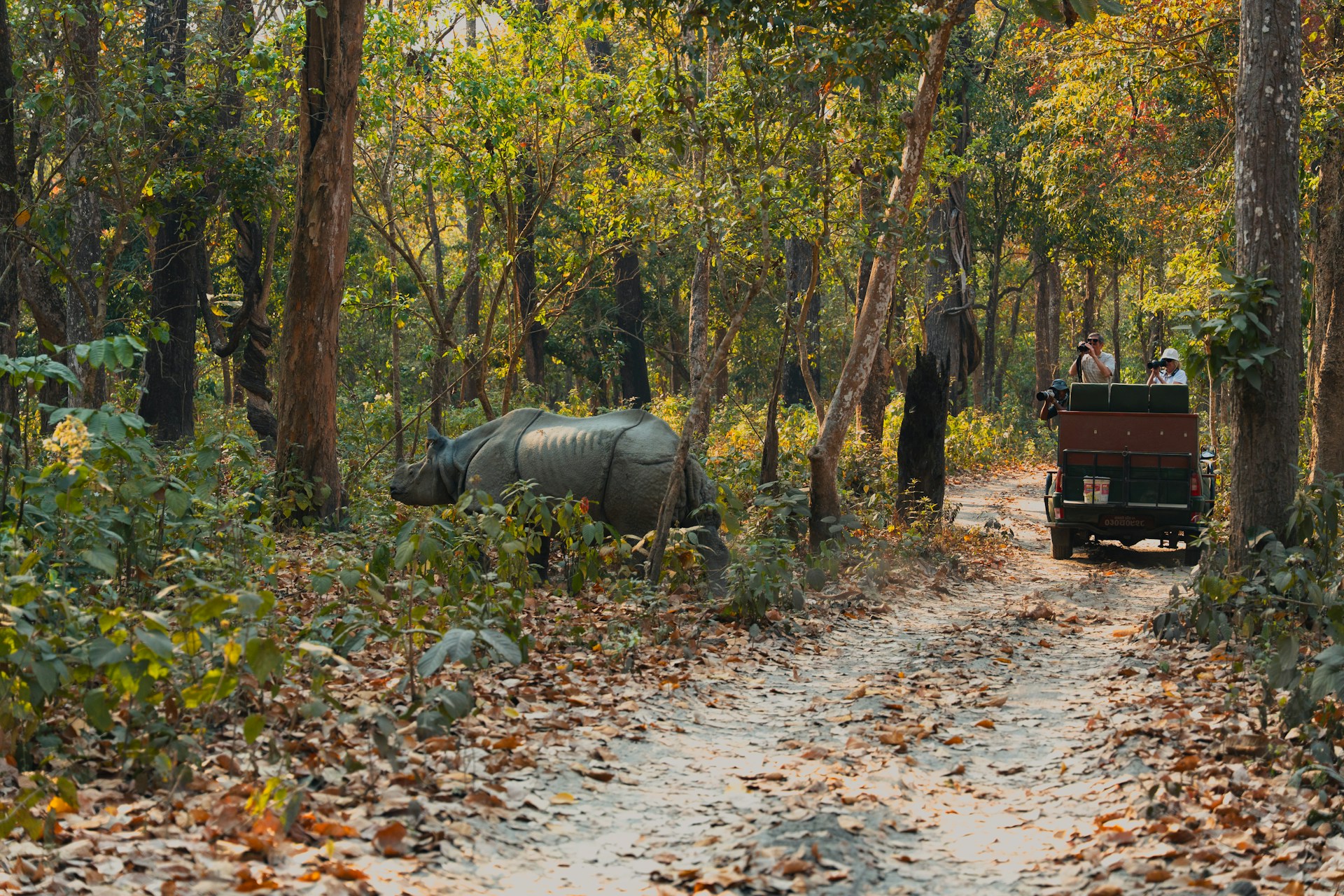
In the lush lowlands of southern Nepal, far from the towering peaks of the Himalayas, lies a different kind of wilderness. Chitwan National Park is a world of dense sal forests, winding rivers, and golden grasslands—a place where the call of exotic birds replaces the silence of the mountains and the rustle of leaves might signal the presence of a rhino or a spotted deer.
The Chitwan National Park Tour is a journey into the wild heart of Nepal. It is an opportunity to trade trekking boots for a jeep seat, to glide down the Rapti River in a traditional dugout canoe, and to walk through the jungle with an experienced naturalist who can read the landscape like a map. This UNESCO World Heritage Site is home to the greater one-horned rhinoceros, the elusive Bengal tiger, gharial crocodiles, sloth bears, and more than 500 species of birds. While no sighting is ever guaranteed in the wild, the sheer biodiversity of Chitwan makes every safari an adventure.
This tour is designed for travelers who want to experience Nepal beyond its mountains. It is suitable for families, couples, solo explorers, photographers, and anyone with a curiosity for the natural world. Over the course of two to three days, you will stay in comfortable accommodation near the park, explore the jungle by jeep, on foot, and by boat, and connect with the rich cultural traditions of the indigenous Tharu community. It is a journey of discovery, not just of wildlife, but of a landscape and a way of life that has endured for centuries.
Why Visit Chitwan National Park?
Chitwan is not just another stop on a Nepal itinerary; it is a destination in its own right. For travelers seeking a contrast to the high-altitude trekking routes, it offers a completely different sensory experience: the heat of the lowland sun, the scent of damp earth after a monsoon shower, and the thrill of seeing a wild animal in its natural habitat.
A UNESCO World Heritage Site
Chitwan National Park is Nepal’s first national park, established in 1973 and recognized by UNESCO in 1984. Its protection has been instrumental in the conservation of endangered species, most notably the greater one-horned rhinoceros and the Bengal tiger.
Exceptional Biodiversity
The park encompasses a remarkable range of ecosystems, from riverine forests and grasslands to wetlands and hills. This diversity supports an astonishing variety of wildlife. It is one of the best places in Asia to observe the one-horned rhinoceros in the wild.
A Birder’s Paradise
For bird enthusiasts, Chitwan is a world-class destination. The mix of wetland, grassland, and forest habitats attracts both resident and migratory species, making every season a new opportunity for discovery.
Cultural Immersion
The park is surrounded by villages inhabited by the Tharu people, an indigenous group with a deep connection to the land. Their unique culture, music, dance, and cuisine add a rich human dimension to the wildlife experience.
Easy Accessibility
Chitwan is conveniently located between Kathmandu and Pokhara, making it an easy addition to any Nepal itinerary. It can be reached by a scenic drive, a quick flight, or a combination of travel routes that connect it to Lumbini and other key destinations.
Chitwan National Park Tour Highlights
- Jeep Safari: Venture deep into the park’s interior for the best chances of spotting rhinos, deer, wild boar, and, if you are very lucky, a leopard or tiger.
- Canoe Ride: Drift quietly along the Rapti or Narayani River, observing gharials and mugger crocodiles basking on the banks, along with a vibrant array of water birds.
- Guided Jungle Walk: Experience the forest on foot with an experienced naturalist, learning about the smaller flora and fauna that are often missed from a vehicle.
- Bird Watching: Keep your binoculars ready for kingfishers, hornbills, eagles, storks, and countless other species that call Chitwan home.
- Tharu Cultural Experience: Spend an evening enjoying the rhythmic stick dances and traditional songs of the Tharu community, or visit a local village to see daily life.
- Wildlife Photography: Capture the magic of the jungle—from the golden glow of a grassland sunset to the intense gaze of a spotted deer.
- Riverside Sunset: Enjoy a peaceful moment on the banks of the Rapti River as the sun dips below the horizon, painting the sky in brilliant colors.
Chitwan National Park Tour Itinerary
The following is a representative itinerary for the standard package. Please note that the exact sequence of activities can change based on weather, park regulations, seasonality, and wildlife movements. Your guide will finalize the daily schedule to provide the best possible experience.
3 Days / 2 Nights Chitwan National Park Tour
Day 1: Arrival in Chitwan from Kathmandu or Pokhara
Your journey begins with a departure from either Kathmandu or Pokhara. You will travel by tourist bus or private vehicle, descending from the hills into the Terai lowlands. Upon arrival in the Sauraha area, you will be greeted and transferred to your accommodation. After check-in and a welcome drink, you will have time to rest and settle in. In the late afternoon, you may take a short walk to the Rapti River to witness a stunning sunset. In the evening, you will enjoy a presentation or briefing about the park and its wildlife, followed by dinner.
Day 2: Full-Day Chitwan Jungle & Wildlife Activities
The day begins early, as mornings are the most active time for wildlife and birdlife. After breakfast, you will set out for a day of exploration. A typical day includes:
- Morning Canoe Ride: A peaceful paddle down the river, scanning the banks for crocodiles and the trees for colorful birds.
- Guided Jungle Walk: Disembark from the canoe and follow your guide through the forest. This is a chance to learn about animal tracks, medicinal plants, and the intricate jungle ecosystem.
- Jeep Safari: In the afternoon, or as scheduled, a jeep safari takes you further into the park. The elevated vantage point of the jeep offers excellent visibility for spotting rhinos, deer, monkeys, and other mammals.
- Tharu Village Visit or Cultural Program: In the evening, you can either visit a nearby Tharu village to observe traditional homes and daily life, or attend a vibrant Tharu cultural performance.
You will return to your accommodation in the evening for dinner and relaxation.
Day 3: Chitwan to Kathmandu or Pokhara
Depending on the scheduled activities, you may have the option for an early morning bird-watching walk before breakfast. After breakfast, you will check out and begin your journey back to Kathmandu or Pokhara. The drive offers scenic views of the Terai landscape and river valleys. You will arrive at your destination in the late afternoon or early evening, with lasting memories of your jungle adventure.
Optional 2-Day Chitwan Tour
For travelers with limited time, a 2-day/1-night tour offers a compact introduction to the park. The itinerary is more concentrated, typically including a jeep safari or canoe ride on the day of arrival, followed by a cultural program or village visit, and a short nature walk or bird-watching session the next morning before departure. This option is ideal for those who want a taste of Chitwan without committing to a longer stay.
Optional Extended Chitwan Experiences
For those with more time or a desire to explore deeper, the tour can be extended to 4 days / 3 nights or combined with other destinations. Popular combinations include:
- Chitwan + Pokhara: Combine jungle adventure with lakeside relaxation in Pokhara.
- Chitwan + Lumbini: Add a spiritual journey to the birthplace of the Buddha.
- Kathmandu + Pokhara + Chitwan: Experience the best of Nepal’s culture, mountains, and wildlife in one trip.
- Nepal Wildlife & Cultural Tour: A longer, more immersive exploration of Nepal’s natural and cultural heritage.
Chitwan Safari Activities
Jeep Safari
The jeep safari is the most popular and efficient way to explore Chitwan’s core areas. The open-top vehicles provide a safe and elevated platform for wildlife viewing, allowing you to cover more ground than on foot. The jeep follows established tracks through different habitats, from dense sal forest to open grasslands. Your driver and naturalist guide will be experts at spotting and identifying wildlife. This is often the best opportunity to see the greater one-horned rhinoceros, spotted deer, wild boar, and, with luck, a leopard or sloth bear.
Canoe Ride
A traditional dugout canoe ride on the Rapti or Narayani River is a serene and unforgettable experience. The low perspective of the water offers a unique vantage point. The primary focus is on aquatic wildlife, particularly the gharial and mugger crocodile, which can often be seen resting on the muddy banks. The river is also a haven for birdlife, including kingfishers, egrets, and various migratory species. The quiet approach of the canoe allows for closer observation without disturbing the animals.
Jungle Walk
Walking through the jungle is an intense, intimate experience that appeals to adventurers and nature lovers. Accompanied by an experienced nature guide, you will learn to read the signs of the forest—tracks, scat, and alarm calls—that reveal the presence of animals long before you see them. The focus is on the smaller details: the ecosystem of the forest floor, the medicinal properties of plants, and the behavior of birds and insects. Safety is paramount; you will always follow your guide’s instructions and remain within designated areas.
Bird Watching
Chitwan is a premier bird-watching destination, with over 500 recorded species. The diversity of habitats means that you can observe a wide range of birds in a single day. The early morning hours are particularly rewarding, as the air fills with the calls of hornbills, woodpeckers, drongos, and many more. The riverbanks and wetlands are home to storks, herons, kingfishers, and the majestic crested serpent eagle.
Tharu Cultural Experience
The Tharu people are the indigenous inhabitants of the Terai region. Their culture is deeply intertwined with the forest and its rhythms. A visit to a Tharu village offers a glimpse into a way of life that has remained largely unchanged for generations. The traditional Tharu cultural program, featuring energetic stick dances and songs that tell stories of harvest, life, and nature, is a highlight for many visitors. Engaging with the community through responsible tourism provides direct economic benefit to the local people.
Nature & Wildlife Photography
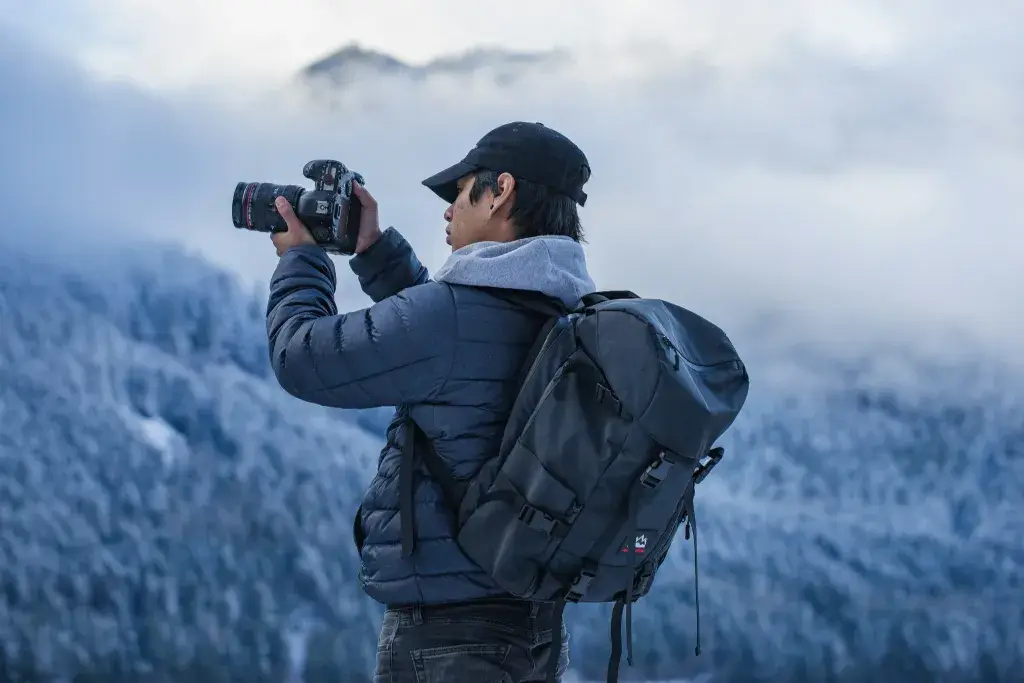
Chitwan offers endless opportunities for photographers, from sweeping landscape shots of the grasslands and rivers to intimate portraits of birds and animals. The best time for photography is during the golden hours of early morning and late afternoon, when the light is soft and warm. A telephoto lens is highly recommended for wildlife shots. Always be patient and respect the animals; never attempt to get too close or disturb their natural behavior for a photo.
Wildlife You Can See in Chitwan
Chitwan National Park supports an incredible variety of wildlife. While every safari is different, here is a realistic overview of what you might encounter.
Commonly Encountered Wildlife
- Greater One-Horned Rhinoceros: Chitwan is one of the best places in the world to see this prehistoric-looking mammal in the wild. Sightings are common, especially during the dry season when visibility in the grasslands improves.
- Spotted Deer (Chital): These beautiful deer are abundant throughout the park and are a primary prey species for tigers and leopards.
- Wild Boar: Frequently seen foraging in the forests and grasslands.
- Rhesus Monkey & Hanuman Langur: Both species are commonly seen, often near rivers and human settlements.
- Gharial & Mugger Crocodile: A canoe ride provides excellent opportunities to see these reptiles basking on the riverbanks.
- Various Birds: Hornbills, kingfishers, egrets, storks, and many more are ubiquitous.
Less Frequently Seen Wildlife
- Sambar Deer: A larger deer species that is more solitary than the chital.
- Barking Deer (Muntjac): A small, elusive deer often heard before it is seen.
- Leopard: Present in the park but highly elusive and primarily nocturnal.
- Sloth Bear: Occasionally seen, often in the early morning or late evening.
Rare and Unpredictable Sightings
- Bengal Tiger: Chitwan is a protected tiger habitat, and the apex predator is present. However, tiger sightings are rare and require immense luck. A safari should never be judged solely on the possibility of seeing a tiger.
- Wild Elephant: Wild elephants are occasionally seen, though they are more commonly observed in the buffer zones than inside the core park area.
It is crucial to approach wildlife viewing with the right mindset. The goal is to appreciate the entire ecosystem and any animal sighting is a privilege.
Bird Watching in Chitwan
Chitwan’s diverse ecosystems—sal forests, riverine woodlands, phantas (grasslands), and wetlands—create a mosaic of habitats that support a remarkable diversity of birdlife. Over 500 species have been recorded, making it a must-visit destination for ornithologists and casual birdwatchers alike.
The best time for bird watching is during the dry season (October to March) when many migratory species from northern Asia and Europe join the resident population. The early morning hours, just after sunrise, are the most active time. A guided walk or a quiet canoe ride is an excellent way to observe birds at close range. Look for the great hornbill, the endangered Bengal florican in the grasslands, the darter and cormorants on the rivers, and the colorful Indian pitta among the forest litter. Even a short walk around your accommodation can yield a surprising number of sightings.
Tharu Culture and Local Community
The Tharu are the largest and most historically significant ethnic group in the Terai. For centuries, they developed a natural resistance to malaria, allowing them to live and farm in the lowlands. Their culture is a rich tapestry of animistic beliefs, traditional farming practices, intricate art, and vibrant music and dance.
A visit to a Tharu village is a respectful way to learn about this unique heritage. You will see traditional mud-and-thatch houses, often decorated with ornate wall paintings. You may learn about their agricultural methods and their relationship with the forest. In the evening, a cultural program showcases the famous Tharu stick dance and other traditional performances. These community-based tourism initiatives provide a vital source of income and help preserve cultural traditions. When visiting, remember that you are a guest. Dress modestly, ask permission before taking photographs of people, and interact with curiosity and respect.
Best Time to Visit Chitwan
Chitwan can be visited year-round, but each season offers a different experience.
Autumn (October to November)
This is one of the most popular times to visit. The monsoon rains have ended, leaving the air clear and fresh. The landscape is lush and green. The temperatures are pleasant during the day and cool at night. Wildlife viewing is excellent, as animals are drawn to the remaining water sources. This is considered a peak season.
Winter (December to February)
Winter brings cooler temperatures, especially in the mornings and evenings. The weather is dry and sunny. The reduced undergrowth and the need for animals to emerge to bask in the morning sun often lead to good visibility and excellent wildlife sightings. This is a great time for bird watching, as many migratory species are present. Bring warm layers for the early morning activities.
Spring (March to May)
The weather warms up significantly. This is the dry season, and the grasslands begin to brown. Water sources shrink, concentrating wildlife around the remaining rivers and waterholes. This can make for excellent viewing, especially for rhinos. The days can be hot, so early morning and late afternoon activities are most comfortable.
Monsoon (June to September)
The monsoon transforms the park into a lush, vibrant green paradise. The rivers swell, and the forest is teeming with life. However, heavy rains can make roads impassable, and some walking trails may be closed due to flooding or leeches. The park remains open, but activities may be limited. This is the low season for tourists, offering a quieter, more private experience for those who don’t mind the rain.
How to Get to Chitwan
Chitwan is well-connected to other major destinations in Nepal. The primary gateway town for tourists is Sauraha.
Kathmandu to Chitwan
- Tourist Bus: The most common and economical option. Buses depart daily from Kathmandu and the journey is a scenic drive through the Trishuli River valley. Travel time can vary significantly (typically 5-7 hours or more) depending on traffic and road conditions.
- Private Vehicle: A more comfortable and flexible option, allowing for stops along the way. The travel time is similar to the tourist bus.
- Flight: A short flight from Kathmandu to Bharatpur, followed by a short drive (about 30 minutes) to Sauraha. This is the fastest but most expensive option.
Pokhara to Chitwan
- Tourist Bus: Direct buses run daily from Pokhara to Sauraha.
- Private Vehicle: A flexible and comfortable road journey.
Lumbini to Chitwan
- Tourist Bus or Private Vehicle: The journey between Lumbini and Chitwan is a common overland route, typically taking around 5-6 hours by road, making it easy to combine a spiritual journey with a wildlife adventure.
Important Note: Travel times in Nepal are highly variable and affected by road conditions, weather, and traffic. It is always best to allow a buffer in your schedule.
Chitwan National Park Tour Cost
The cost of a Chitwan National Park Tour varies considerably depending on several factors. A standard package will include accommodation, meals, transportation, and the core safari activities. However, the final price will depend on:
- Number of Travelers: Prices are often lower per person for groups.
- Number of Nights: A 3-day/2-night tour will cost more than a 2-day/1-night tour.
- Hotel Category: Accommodation ranges from basic guesthouses to luxury jungle lodges.
- Type of Transportation: Tourist bus, private car, or flights all have different price points.
- Type and Number of Activities: A package with multiple jeep safaris will cost more than one with fewer activities.
- Inclusions: Meals, park fees, and guide services all contribute to the cost.
- Season: Prices may be higher during peak seasons (October-November, March-April).
- Customization: Any changes to the standard itinerary may affect the price.
To get the current, accurate price for your preferred dates and requirements, please contact us with your travel details. We will provide a transparent, no-obligation quotation.
What’s Included
The following are typical inclusions for a Chitwan National Park Tour package. The exact inclusions will be detailed in your final quotation and may vary depending on the selected package.
- Accommodation in your chosen hotel category (e.g., 2 nights for a 3-day package).
- Meals as specified in the itinerary (e.g., full board: breakfast, lunch, and dinner).
- Transportation from Kathmandu or Pokhara as per the package (tourist bus, private vehicle, or flight).
- Guided jungle walk with an experienced nature guide.
- Jeep safari with a driver and naturalist.
- Canoe ride.
- Tharu cultural program or village visit.
- National park entry fees (if included in the package).
- All government taxes and service charges.
What’s Not Included
- International airfare.
- Nepal visa fees.
- Travel insurance (which is highly recommended for all travel in Nepal).
- Personal expenses (e.g., beverages, snacks, laundry, phone calls).
- Alcoholic beverages.
- Tips for guides, drivers, and hotel staff.
- Any additional activities not mentioned in the itinerary.
- Additional accommodation and meals in Kathmandu or Pokhara.
- Expenses incurred due to unforeseen circumstances like flight delays, natural disasters, or political unrest.
Who Is This Tour For?
This tour is for anyone who wants to experience the wilder side of Nepal. It is particularly well-suited for:
- Families: The comfortable accommodation and structured activities make it an easy and educational trip for children.
- Couples: The serene environment and beautiful sunsets are perfect for a romantic getaway.
- Solo Travelers: It is easy to join a group and meet fellow travelers.
- Senior Travelers: With a focus on vehicle-based safaris, the tour is accessible for those who prefer not to walk long distances.
- Photographers: The incredible light, landscapes, and wildlife offer endless creative opportunities.
- Wildlife Enthusiasts: This is one of Asia’s premier destinations for seeing large mammals.
- Nature Lovers: Even without a major animal sighting, the beauty of the forest, rivers, and birds is deeply rewarding.
- First-Time Nepal Visitors: It provides a wonderful contrast to the cultural sites of Kathmandu.
- Adventure Travelers: The jungle walk and sense of being in the wild is thrilling.
- Cultural Travelers: The Tharu culture adds a rich and meaningful human dimension.
Chitwan for Families
Chitwan National Park is an outstanding family destination. It offers an educational and adventurous experience that children will remember for a lifetime. The structured itinerary, with its mix of jeep safaris, boat rides, and cultural programs, keeps children engaged and entertained. Many hotels in Sauraha cater specifically to families, offering larger rooms and child-friendly amenities. The safari experience is a fantastic way to teach children about conservation, wildlife, and the importance of protecting natural habitats. While the jungle walk can be adapted, the jeep safari is comfortable and safe for children of all ages. The Tharu cultural program is also a hit with younger travelers due to its vibrant music and dance.
Chitwan + Other Nepal Destinations
Chitwan’s location makes it a perfect addition to a broader Nepal itinerary.
- Kathmandu + Chitwan: This is the classic Nepal experience. Spend a few days exploring the cultural heritage of the Kathmandu Valley, then unwind and reconnect with nature in Chitwan. Ideal for first-time visitors with limited time.
- Pokhara + Chitwan: Combine the adventure and relaxation of Pokhara—a lakeside city with stunning mountain views—with the wildlife adventure of Chitwan. A perfect balance for active travelers.
- Kathmandu + Pokhara + Chitwan: The “Golden Triangle” of Nepal. This is the most comprehensive and popular route, offering culture, mountains, and wildlife in one trip.
- Chitwan + Lumbini: Combine the thrill of the jungle with the spiritual peace of Lumbini, the birthplace of the Buddha. A great option for those interested in history and philosophy.
What to Pack for Chitwan
Packing for a jungle safari requires practicality and respect for the environment.
- Lightweight, breathable clothing in neutral colors (khaki, olive, brown) is best.
- Long-sleeved shirts and long pants for protection from the sun and insects.
- Comfortable closed-toe shoes for walking.
- A wide-brimmed hat or cap for sun protection.
- Sunglasses.
- Sunscreen (SPF 30+).
- Insect repellent.
- A reusable water bottle to stay hydrated.
- Binoculars for bird and wildlife viewing.
- A camera with a zoom lens.
- A small daypack for your daily essentials.
- Personal medication.
- A light rain jacket if traveling during the monsoon or shoulder seasons.
- A warm layer (like a fleece) for cool winter mornings.
Chitwan Travel Tips
- Wear comfortable clothing: Your safari clothes should be comfortable and practical. Earth tones are best for blending into the environment.
- Listen to your guide: Your guides are experts in the park’s ecology and safety. Their instructions are for your well-being and the protection of the animals.
- Stay hydrated: The Terai can be hot. Drink plenty of water throughout the day.
- Protect yourself from the sun and insects: Use sunscreen and insect repellent regularly.
- Bring binoculars: This is the single most useful item for enhancing your wildlife viewing experience.
- Be patient: Wildlife viewing requires patience. Not every safari will produce a tiger or a rhino. The experience of being in the jungle is rewarding in itself.
- Respect the wildlife: Never try to feed, touch, or disturb the animals. Keep a safe and respectful distance.
- Respect the local culture: Dress modestly, especially when visiting villages, and ask permission before taking photos of people.
- Purchase travel insurance: Comprehensive travel insurance is essential for any trip to Nepal.
Responsible Wildlife Tourism
Your visit to Chitwan has a direct impact on the park and the surrounding communities. It is our shared responsibility to ensure this impact is a positive one.
- Do not feed the wildlife. It alters their natural behavior and can make them dependent on humans.
- Keep a safe distance. Use binoculars or a zoom lens for close-up views. Getting too close can stress the animals and create dangerous situations.
- Follow all park regulations. These rules are in place for your safety and the protection of the park.
- Do not litter. Carry all trash out of the park with you.
- Avoid making excessive noise. Loud sounds can scare away wildlife and disturb the peace of the jungle.
- Support local businesses. Choose community-based lodges, hire local guides, and buy local crafts.
- Avoid any activities that exploit wildlife. Do not support venues that offer unnatural interactions with animals.
- Respect local communities. Remember that you are a guest in their home.
Safety Information
Your safety is our top priority. All activities are led by experienced, trained professionals who are familiar with the park and its wildlife. To ensure a safe and enjoyable experience, please follow these guidelines:
- Jungle Walks: Always stay close to your guide and follow their instructions. Do not wander off on your own.
- Wildlife Encounters: Never attempt to approach or provoke an animal. Your guide will know how to handle any situation.
- Jeep Safaris: Remain seated while the vehicle is in motion. Keep your arms and legs inside the vehicle.
- Weather: The Terai sun can be intense. Protect yourself from heat exhaustion by staying hydrated and wearing a hat.
- Insects: Use insect repellent to protect against mosquitoes and other biting insects.
- Health: Ensure you have the necessary vaccinations and medications for travel in Nepal. Consult your doctor before your trip.
Frequently Asked Questions
1. What is the Chitwan National Park Tour?
The Chitwan National Park Tour is a wildlife-focused journey into Nepal’s first national park. It typically includes jungle safaris, canoe rides, guided walks, and cultural experiences, offering a chance to see animals like the one-horned rhinoceros in their natural habitat.
2. How many days are enough for Chitwan National Park?
A 3-day/2-night tour is the most popular option, providing enough time for a full day of activities and a taste of the park’s wildlife and culture. A 2-day trip is possible but more compact, while a 4-day trip allows for a more relaxed, in-depth experience.
3. What is the best time to visit Chitwan National Park?
The most comfortable and popular times are autumn (October-November) and spring (March-May). Winter (December-February) offers excellent wildlife viewing due to clear skies and low vegetation, while the monsoon (June-September) is lush but can have limited activities.
4. What animals can I see in Chitwan?
Chitwan is home to the greater one-horned rhinoceros, spotted deer, wild boar, monkeys, gharial and mugger crocodiles, and over 500 bird species. Leopards and sloth bears are less common, and the Bengal tiger is present but rarely seen.
5. Can I see a Bengal tiger in Chitwan?
Yes, Chitwan is a protected tiger habitat, and tigers are present in the park. However, they are solitary, elusive, and highly camouflaged. Sightings are rare and require significant luck. The experience of the safari should not be based on the hope of a tiger sighting.
6. Is Chitwan National Park suitable for families?
Absolutely. It is an excellent family destination. The jeep safaris are comfortable, the cultural program is engaging, and the educational value of seeing wildlife is immense. Many hotels cater specifically to families.
7. What activities are included in a Chitwan jungle safari?
A standard package usually includes a jeep safari, a canoe ride, a guided jungle walk, and a Tharu cultural program or village visit. Bird watching is often integrated into these activities.
8. Is a jeep safari available in Chitwan?
Yes, the jeep safari is the most popular activity in Chitwan. It is the most efficient way to cover large areas of the park and offers excellent opportunities for seeing a variety of wildlife from a safe, elevated vantage point.
9. Can I visit Chitwan from Kathmandu?
Yes, Chitwan is easily accessible from Kathmandu by a scenic tourist bus or private vehicle drive (typically 5-7 hours). A much faster (though more expensive) flight to Bharatpur followed by a short drive is also an option.
10. Can I combine Chitwan with Pokhara?
Yes, this is a very popular combination. You can travel directly by bus or private vehicle between Pokhara and Chitwan. Combining the two offers a perfect balance of mountain scenery, adventure, and wildlife.
11. Can I combine Chitwan with Lumbini?
Yes, combining Chitwan with Lumbini, the birthplace of Buddha, is a common and rewarding trip. The overland journey between the two is manageable and provides a unique mix of spiritual and natural experiences.
12. What should I wear for a Chitwan safari?
Wear lightweight, breathable clothing in neutral earth tones (khaki, olive, brown). Long sleeves and pants are recommended for sun and insect protection. Comfortable closed-toe shoes are essential for walking.
13. What should I pack for Chitwan National Park?
Key items include binoculars, a camera, sunscreen, insect repellent, a hat, sunglasses, a reusable water bottle, and a small daypack. For winter, bring a warm layer; for monsoon, a rain jacket.
14. How much does a Chitwan National Park Tour cost?
The cost varies based on hotel category, transportation type, group size, season, and included activities. To get an accurate price for your specific requirements, please contact us for a detailed quotation.
15. Is Chitwan National Park safe for tourists?
Yes, it is very safe when you follow the instructions of your experienced guides. All activities are conducted by trained professionals who prioritize safety. The main safety points involve listening to your guide and not approaching wildlife.
16. Is Chitwan suitable for senior travelers?
Yes, the tour is highly suitable. The jeep safari provides a comfortable way to see the park without the need for strenuous walking. The overall pace of the trip is relaxed, and the accommodation is typically comfortable.
17. Can I customize a Chitwan tour package?
Yes, absolutely. We specialize in customizing tours. You can choose your hotel category, transportation method, length of stay, and the specific activities you wish to include.
Why Book Your Chitwan Tour With Us?
We are a team of local Nepal travel experts who are passionate about sharing the beauty and wonder of our country. We believe in creating journeys that are authentic, responsible, and unforgettable. Our Chitwan tours are led by experienced, licensed naturalist guides who have an intimate knowledge of the park’s wildlife and ecosystems. We work with carefully selected accommodations and partners who share our commitment to quality and sustainability. We are with you every step of the way, from planning your itinerary to ensuring your journey is seamless and safe.
Plan Your Chitwan National Park Adventure
The call of the wild is a powerful one. The feeling of seeing a one-horned rhino emerge from the tall grass, the thrill of a canoe gliding past a basking crocodile, or the simple peace of a sunset over the Rapti River—these are experiences that will stay with you long after you leave Nepal. A Chitwan National Park Tour is more than just a safari; it is a deep immersion into a world that is both wild and welcoming.
Your adventure is just a message away. Share your travel dates, interests, and preferences with us, and our team will craft a personalized Chitwan itinerary that fits your dreams and your budget. Let us handle the logistics, so you can focus on soaking in every moment of the magic. Contact us today to start planning your unforgettable journey into Nepal’s most famous wilderness.