
-
Bus, Flight
-
Lodge, Hotel
-
5,416 metres
-
Kathmandu
-
Feb, Mar, Apr & May
-
BLD
Introduction to Everest Base Camp Trek
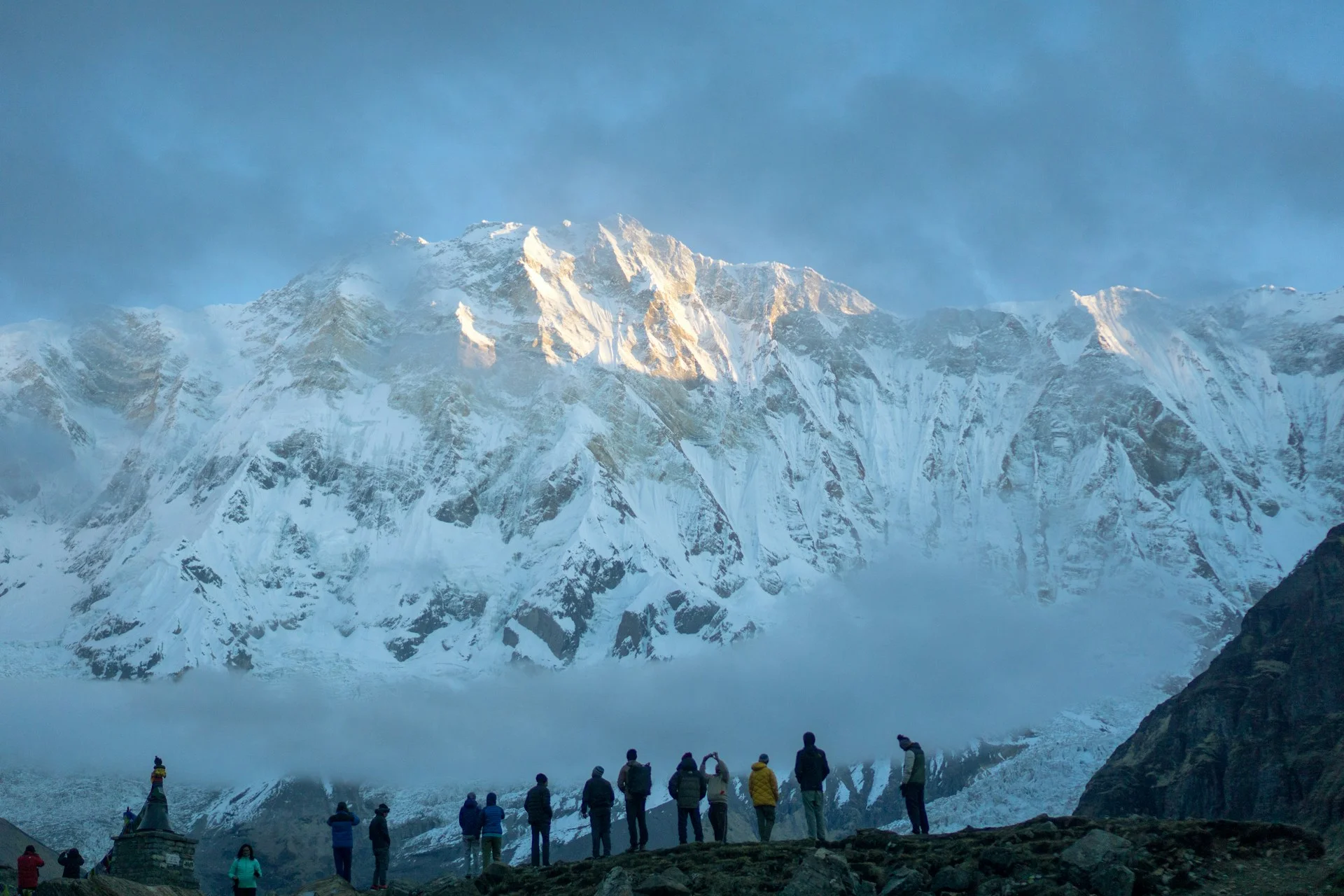
The Everest Base Camp Trek is Nepal’s most iconic Himalayan journey, following the same trails used by mountaineers since the 1953 first ascent of Everest by Tenzing Norgay and Edmund Hillary. The route winds through the Khumbu region — home to the Sherpa people — passing through Sagarmatha National Park, a UNESCO World Heritage Site, en route to Everest Base Camp at 5,364 meters.
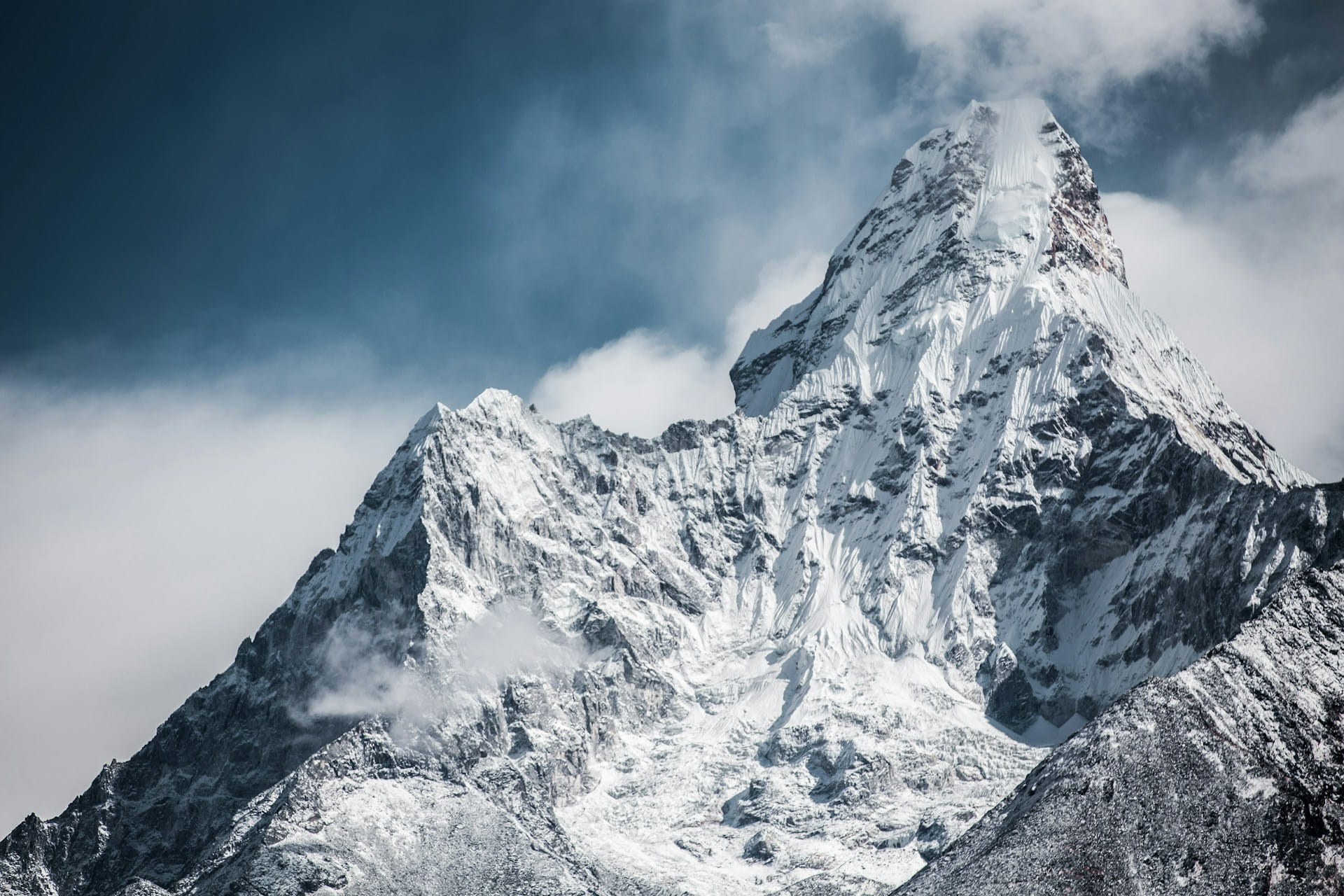
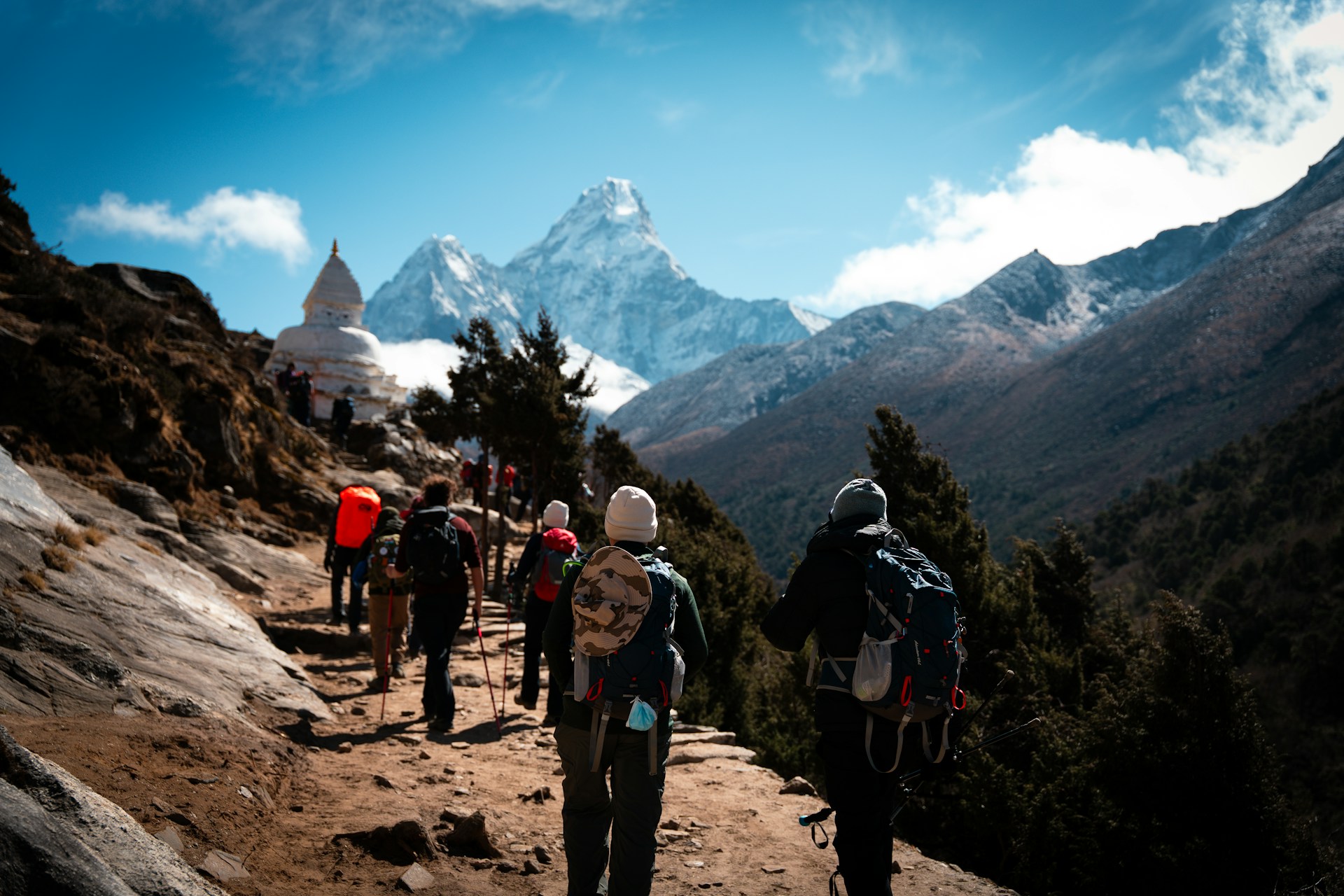
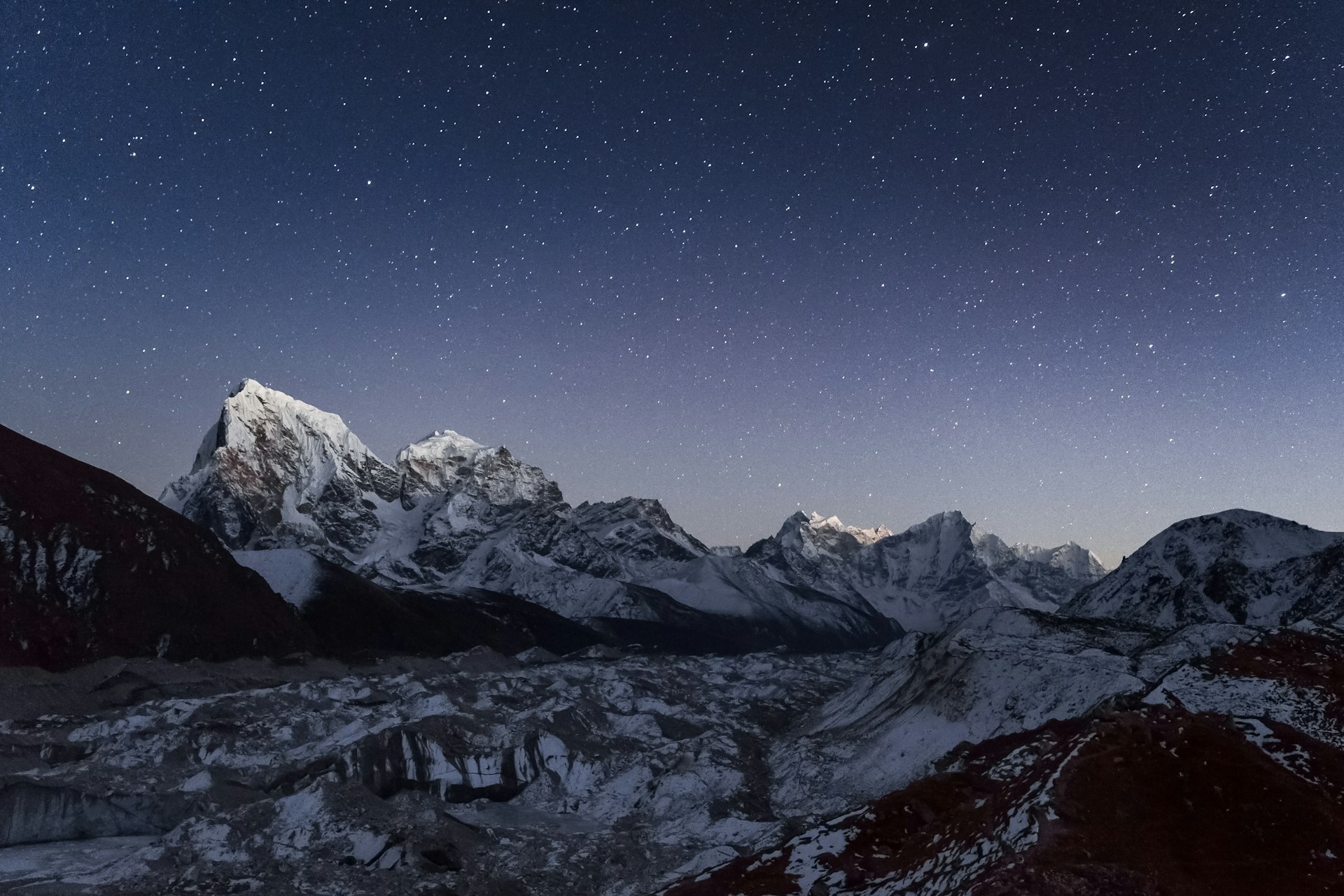
Along the way, trekkers pass through Namche Bazaar (the bustling Sherpa capital), ancient monasteries including Tengboche, and increasingly dramatic mountain scenery featuring Everest, Lhotse, Nuptse, Ama Dablam, and dozens of other 6,000m+ and 7,000m+ peaks.
Most itineraries also include a climb to Kala Patthar (5,644.5m), which offers the best unobstructed close-up view of Everest’s summit — a view not actually visible from Base Camp itself. This is a genuine high-altitude trekking challenge, demanding proper acclimatization and reasonable fitness, but requires no technical climbing skills, making it achievable for well-prepared trekkers rather than only mountaineers.
Why Trek to Everest Base Camp?
- World’s most famous trekking route: Follow the path to the base of the world’s highest mountain (8,849m)
- Sherpa culture immersion: Namche Bazaar, Tengboche Monastery, and Khumjung offer deep exposure to Sherpa Buddhist tradition and mountaineering heritage
- Sagarmatha National Park (UNESCO): Trek through a protected World Heritage Site with rich biodiversity, including potential sightings of Himalayan tahr and pheasants
- Kala Patthar viewpoint: The best accessible close-range view of Mount Everest’s summit
- Well-developed teahouse infrastructure: Despite the remoteness, this is one of the best-serviced high-altitude trekking routes in Nepal
- Lukla flight: One of the world’s most famous short mountain flights, itself considered part of the adventure
- No technical climbing required: A high-altitude trek achievable by fit, well-acclimatized trekkers without mountaineering skills
Difficulty Level of Everest Base Camp Trek
Overall Rating: Strenuous
EBC is a genuinely demanding high-altitude trek. While it involves no technical climbing, the combination of altitude, duration, and daily elevation gain makes it significantly harder than moderate treks like Gosaikunda or standard Upper Mustang.
Key difficulty factors:
Altitude: Reaches 5,364m at Base Camp and 5,644.5m at Kala Patthar — among the highest points reached on any standard teahouse trek in Nepal
Daily walking hours: 5–7 hours per day on average, with some days (particularly Base Camp day and Kala Patthar sunrise climb) extending longer
Duration: 12–14 days round trip from Lukla, demanding sustained stamina over an extended period
Terrain: Well-established trails throughout, with steep sections particularly between Namche and Tengboche, and rocky moraine terrain near Base Camp itself
Cumulative fatigue: The physical toll builds over multiple consecutive high-altitude days rather than any single especially hard day
Recommended fitness preparation:
- 6–8 weeks of dedicated cardio and endurance training (running, hiking, stair climbing, cycling)
- Practice hikes with a loaded daypack (8–10kg) on varied terrain
- Leg strength and core conditioning
- Prior trekking experience at altitude strongly recommended, though not mandatory with proper acclimatization
Who is this trek suitable for?
Trekkers with good cardiovascular fitness and ideally some prior high-altitude experience. Not recommended as a first-ever trek for those with no hiking background — Gosaikunda or Poon Hill are better starting points for complete beginners.
Altitude Sickness & Acclimatization
EBC’s altitude profile makes acclimatization the single most important factor in a safe, successful trek — far more trekkers turn back due to AMS than physical exhaustion.
- Symptoms to watch for: headache, nausea, dizziness, loss of appetite, disturbed sleep, unusual fatigue
- Built-in acclimatization days: Standard itineraries include rest days at Namche Bazaar (3,440m) and Dingboche (4,410m), following the “climb high, sleep low” principle
- Ascent rate: Above 3,000m, gaining no more than 300–500m of sleeping elevation per day is the general guideline, which the itinerary below follows
- Prevention: Ascend gradually, stay well-hydrated, avoid alcohol and sleeping pills at altitude, consider Diamox after consulting a doctor
- Warning signs requiring descent: Confusion, loss of coordination, severe headache unrelieved by medication, or breathlessness at rest — these indicate possible HACE/HAPE and require immediate descent
- Emergency evacuation: Comprehensive travel insurance covering helicopter evacuation from high altitude is essential; Namche, Pheriche, and Dingboche have basic medical posts (including the Himalayan Rescue Association aid post at Pheriche)
Best Seasons to Trek
- Autumn (September–November) — Best Overall
The most popular season for EBC. Post-monsoon skies are clearest, temperatures are stable and moderate (though cold at night above 4,000m), and mountain visibility is excellent. Expect the busiest trails and teahouses of the year. - Spring (March–May) — Excellent
Second most popular season. Rhododendron forests bloom at lower elevations, visibility is strong (though slightly hazier than autumn at times), and this is also Everest expedition season, adding energy to Base Camp itself with climbing teams present. - Winter (December–February) — Quiet, Cold
Fewer crowds and clear skies, but very cold, especially at night (well below freezing above 4,000m). Some teahouses at higher elevations may close. Suitable for well-prepared trekkers seeking solitude. - Monsoon (June–August) — Not Recommended
Heavy rain, leeches at lower elevations, poor visibility, and higher risk of Lukla flight delays/cancellations due to weather. Generally avoided for standard trekking.
Permits Required
- Sagarmatha National Park Entry Permit – $30 per person
- Khumbu Rural Municipality Entry Permit – $20 per person (collected at Lukla or Monjo checkpoint; replaced the old TIMS card requirement specifically for the Khumbu/EBC route)
Note: EBC trekkers do not need a separate TIMS card, as the Khumbu Rural Municipality permit now serves this function for this specific region — this differs from most other trekking areas in Nepal, worth clarifying for clients familiar with TIMS from other treks.
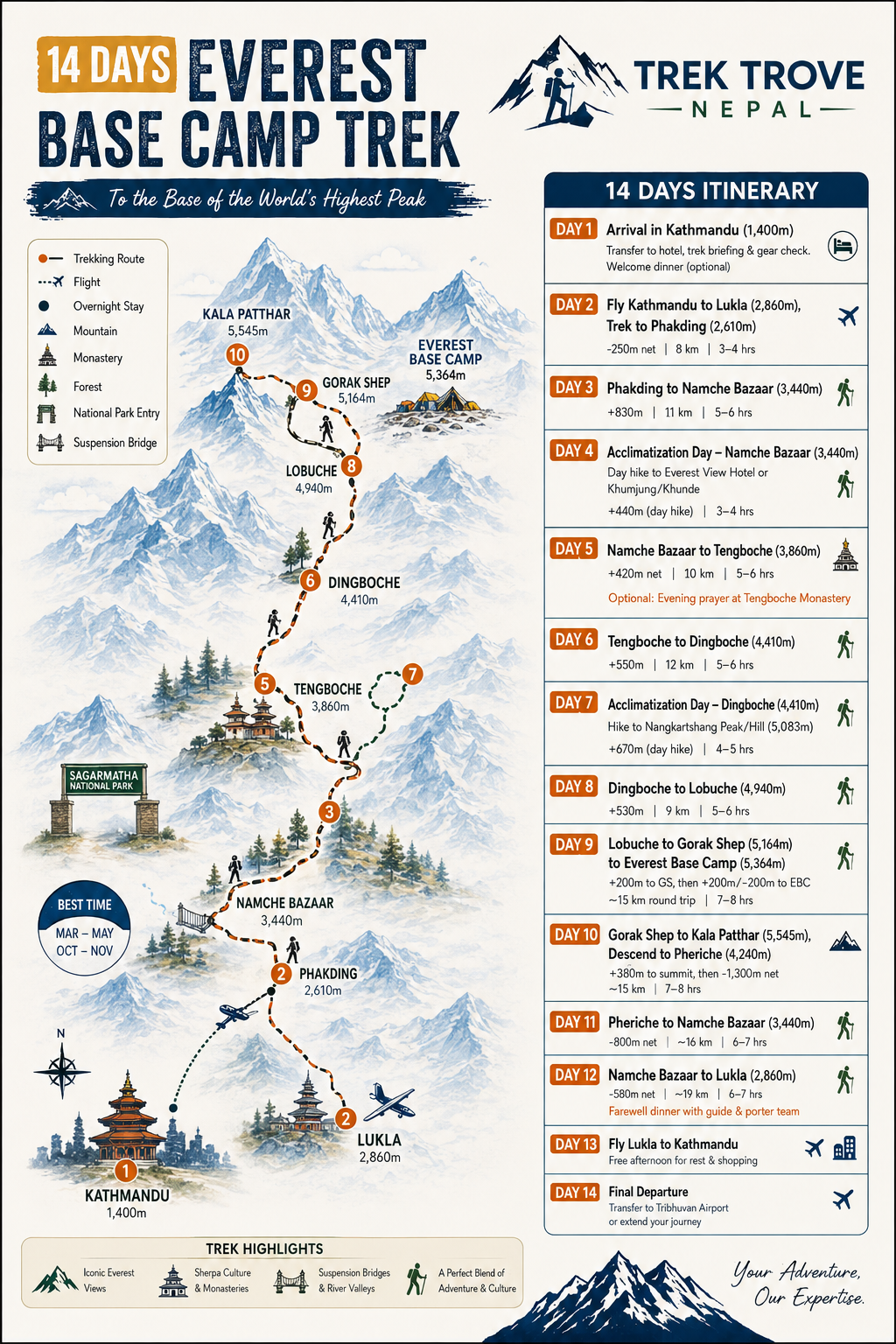
Everest Base Camp Trek Itinerary Overview
Day 1: Arrival in Kathmandu (1,400m)
Day 2: Fly to Lukla (2,860m), Trek to Phakding (2,610m)
Day 3: Phakding to Namche Bazaar (3,440m)
Day 4: Acclimatization Day in Namche Bazaar
Day 5: Namche Bazaar to Tengboche (3,860m)
Day 6: Tengboche to Dingboche (4,410m)
Day 7: Acclimatization Day in Dingboche
Day 8: Dingboche to Lobuche (4,940m)
Day 9: Lobuche to Gorak Shep (5,164m), then Everest Base Camp (5,364m)
Day 10: Gorak Shep to Kala Patthar (5,545m), Descend to Pheriche (4,240m)
Day 11: Pheriche to Namche Bazaar (3,440m)
Day 12: Namche Bazaar to Lukla (2,860m)
Day 13: Fly from Lukla to Kathmandu
Day 14: Final Departure
Accommodation & Food
Accommodation: Teahouse/lodge trek throughout, with the Khumbu region offering some of the best-developed teahouse infrastructure in Nepal’s high mountains — including WiFi (paid) and hot showers (paid) at most stops up to Dingboche/Lobuche. Rooms become more basic and colder above Dingboche.
Food: Standard teahouse menus — dal bhat, noodle and pasta dishes, soups, pizza, and bakery items in Namche and lower villages. Dal bhat remains the best value and most sustaining option at altitude. Prices increase substantially above Namche due to the cost of portering supplies (no roads beyond Lukla).
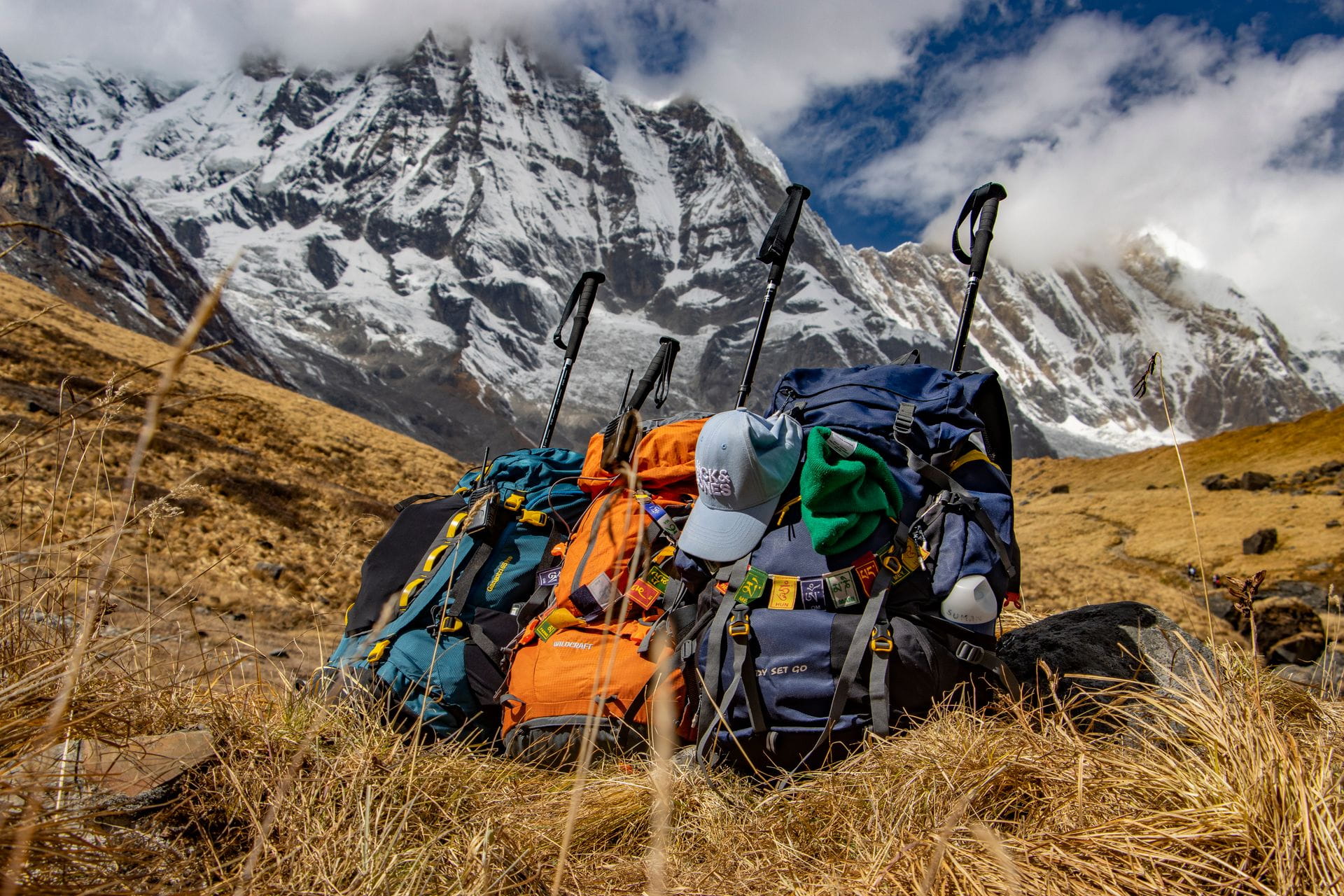
Drinking water: Boiled/treated water available for a fee at teahouses; a water filter or purification tablets significantly reduce costs and plastic waste over a 12-day trek.
Packing List for Everest Base Camp Trek
Clothing
Moisture-wicking base layers
Fleece or insulated mid-layer
Waterproof, windproof outer shell jacket
Heavyweight down jacket (essential above Dingboche)
Insulated trekking trousers + warm layer for evenings
Warm hat, sun hat, gloves (liner + insulated/mitten combo for summit mornings)
Wool or synthetic hiking socks (multiple pairs)
Buff/neck gaiter
Shorten with AI
Footwear
Well broken-in, waterproof, insulated trekking boots
Camp shoes/sandals for evenings
Gaiters (useful in early/late season snow)
Shorten with AI
Gear
Sleeping bag rated to -15°C or lower (colder for winter treks)
Trekking poles
Headlamp with spare batteries
Daypack (30–35L) with rain cover
Duffel bag for porterShorten with AI
Health & Safety
Comprehensive first-aid kit including altitude sickness medication (Diamox, consult doctor first)
Water purification tablets or filter
High-SPF sunscreen and lip balm (intense high-altitude UV exposure)
Personal medications
Pulse oximeter (recommended for self-monitoring blood oxygen at altitude)
Shorten with AI
Miscellaneous
Power bank(s) — charging is paid and increasingly expensive at higher elevations
Reusable water bottle
Cash in Nepali Rupees (no ATMs beyond Namche Bazaar)
Travel insurance documents with proof of high-altitude/helicopter evacuation coverage
Shorten with AI
Cultural Significance
The Khumbu region is the heartland of Sherpa culture, a Tibetan Buddhist ethnic group whose mountaineering skill and high-altitude physiology have made them essential partners in virtually every major Everest expedition since the 1920s. Tengboche Monastery, the largest in the Khumbu region, is a spiritual center for the area and hosts the annual Mani Rimdu festival (typically October/November), featuring masked dances performed by monks depicting the triumph of Buddhism over pre-Buddhist beliefs.
Namche Bazaar, once a trading post on the salt route between Tibet and Nepal, remains the commercial and cultural hub of the region, with a Saturday market still drawing traders from surrounding villages. The trek also passes memorials to climbers who died attempting Everest, near Thukla, offering a sobering reminder of the mountain’s history and risks.
Everest Base Camp Trek Highlights
- Stand at the foot of the world's highest mountain — reach Everest Base Camp (5,364m), the starting point for Everest summit expeditions, surrounded by the Khumbu Icefall and glacier.
- Sunrise from Kala Patthar (5,545m) — the trek's highest point and the best unobstructed panorama of Everest, Nuptse, and the Khumbu region, especially at dawn.
- Fly into Lukla's Tenzing-Hillary Airport — one of the most thrilling and scenic mountain airstrips in the world, framed by the Himalaya from the moment of landing.
- Cross the Dudh Koshi Valley's suspension bridges — including the iconic Hillary Suspension Bridge near Namche, strung with prayer flags over deep gorges.
- Explore Namche Bazaar — the Sherpa capital of the Khumbu, with its Saturday market, bakeries, gear shops, and the Sherpa Culture Museum.
- Visit Tengboche Monastery — the largest and most spiritually significant monastery in the Khumbu region, with Ama Dablam as a backdrop.
- Walk through Sagarmatha National Park, a UNESCO World Heritage Site home to Himalayan tahr, musk deer, and — with luck — snow leopard or red panda sign.
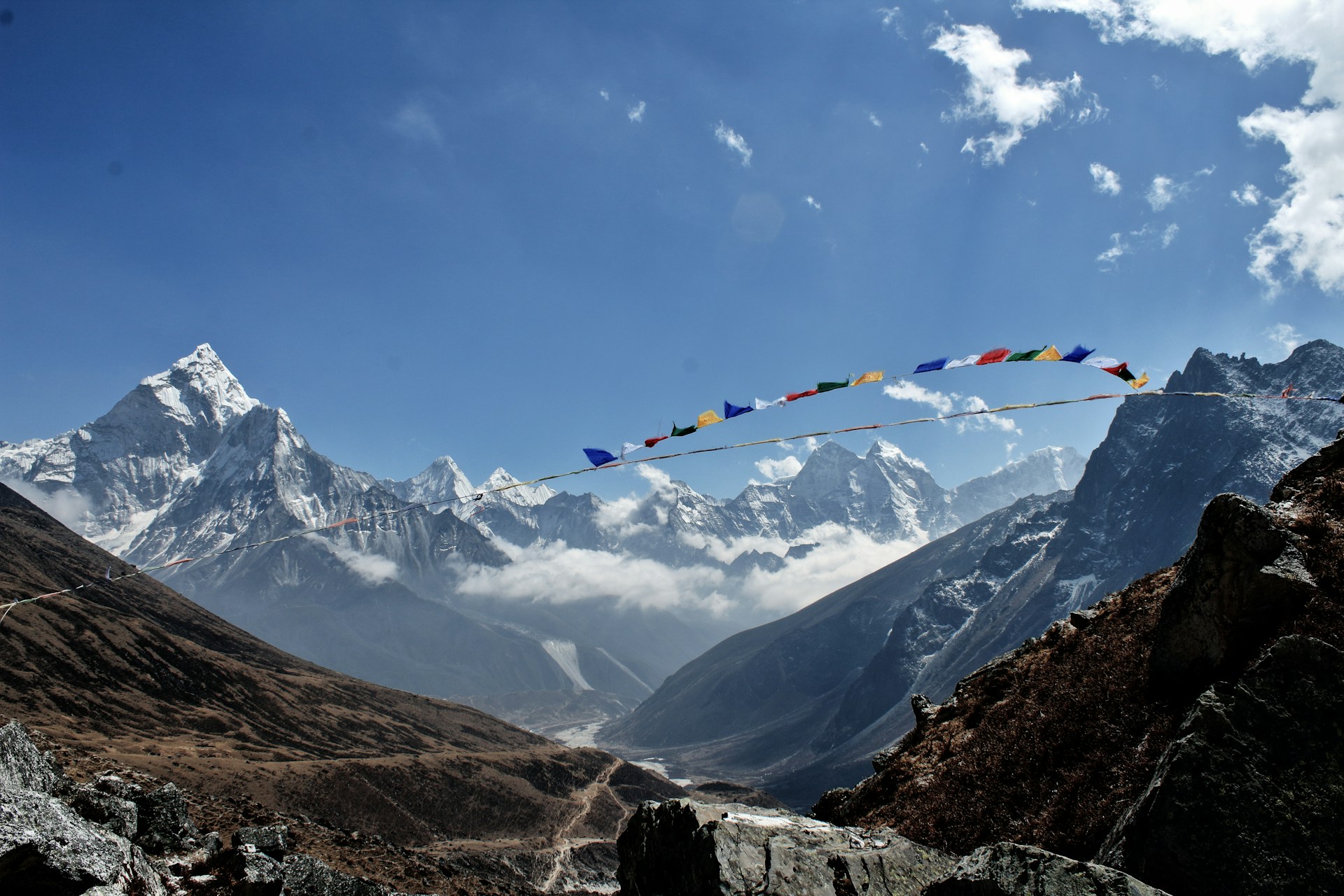
- Continuous close-up views of 8,000m giants — Everest, Lhotse, and the striking pyramid of Ama Dablam accompany the trail from Namche onward.