
-
Drive, Flight
-
Hotel, Lodge
-
4,380 meters
-
Kathmandu
-
Spring, Autumn
-
Trekking
-
BLD
-
Moderate
-
2-15
Gosaikunda Trek
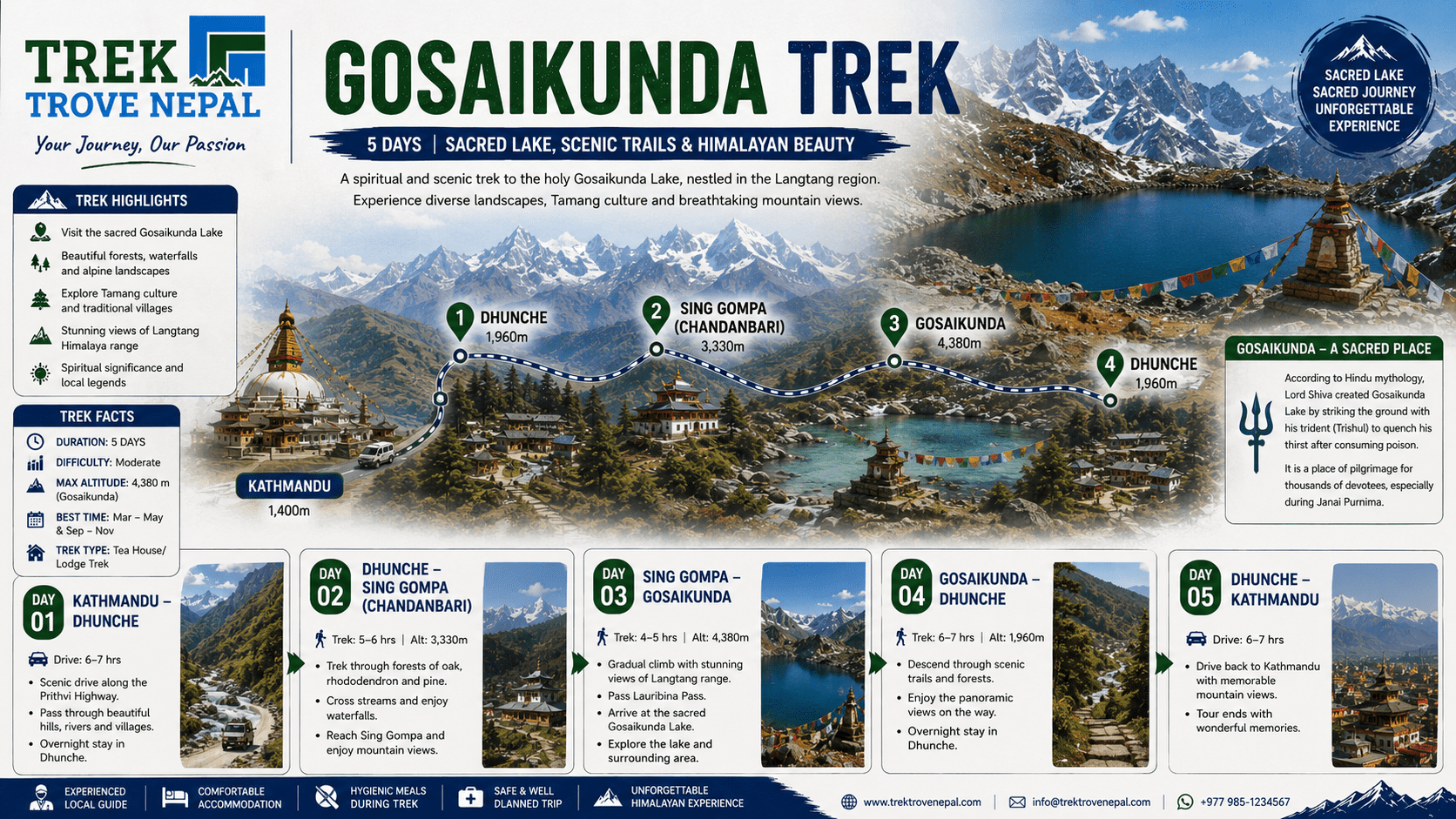
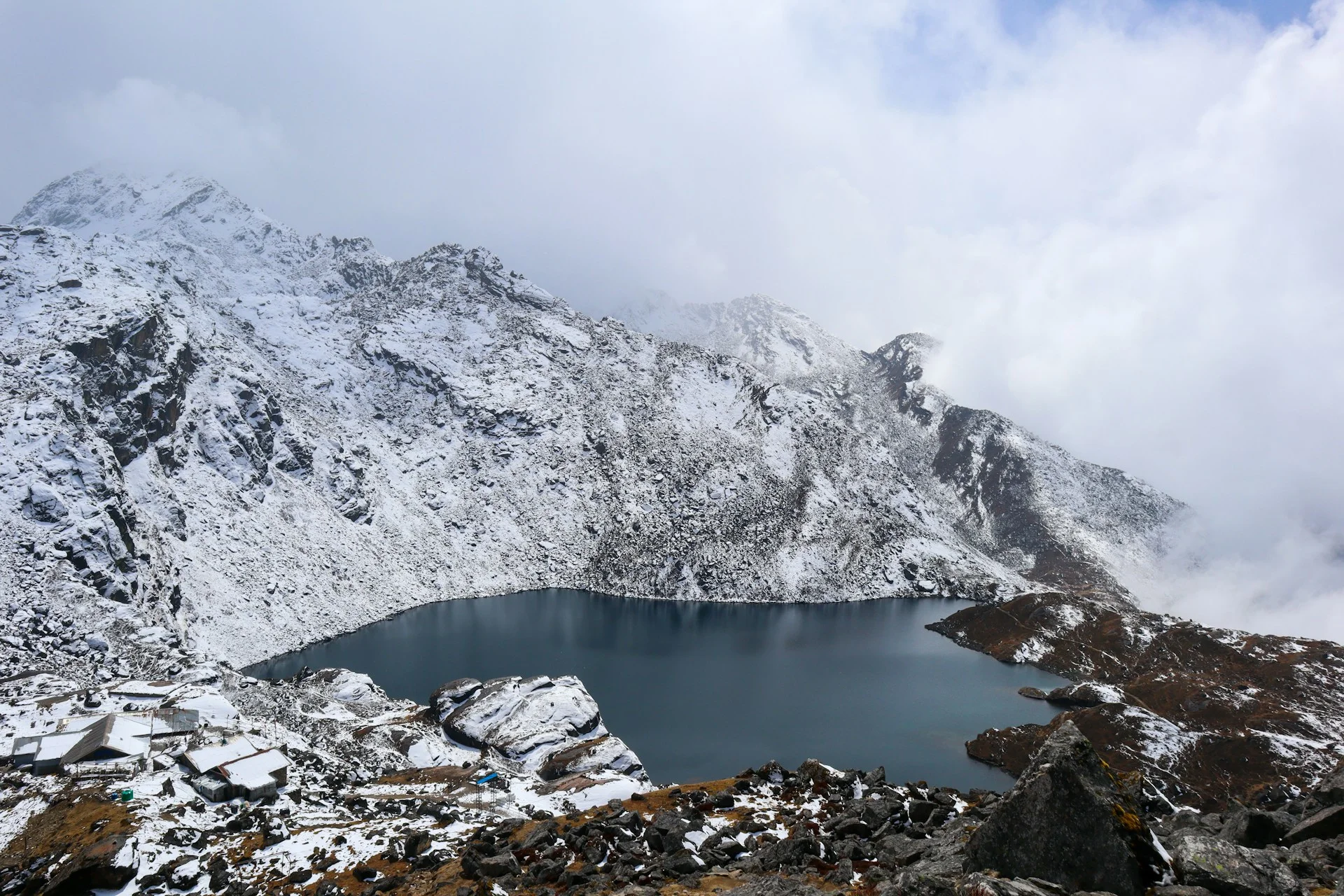
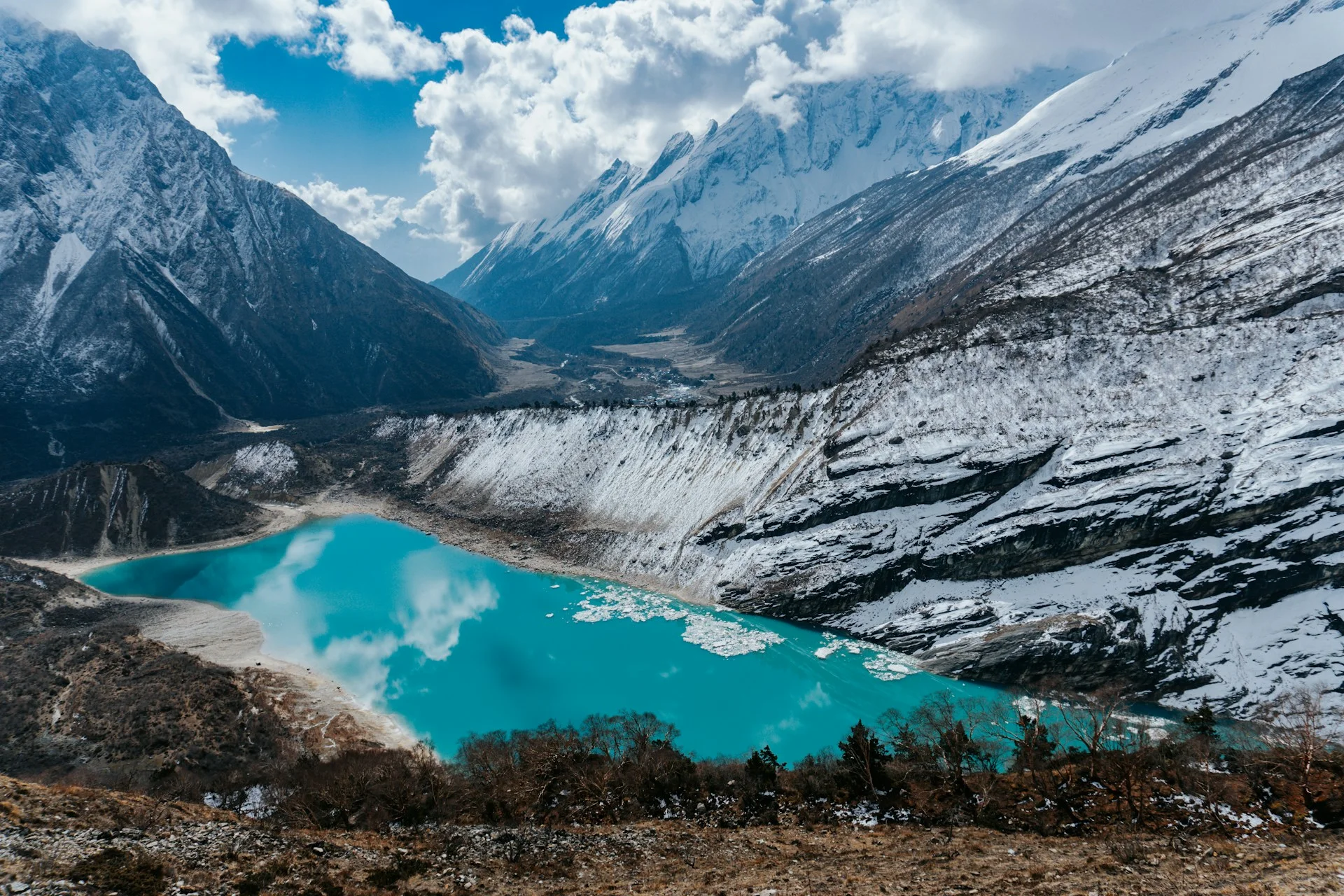
Gosaikunda Lake sits at approximately 4,380 meters in Langtang National Park, one of the highest points reachable on a short trek from Kathmandu. This 5-day itinerary gets you there and back on foot from Dhunche, gaining over 2,000 meters of elevation across three trekking days.
Trek Trove Nepal runs this as a 5-day package at US$355 per person, including permits, guide, accommodation, and meals during the trek.
This page sets out the actual daily walking, the altitude gain day by day, what the US$355 covers, and — because altitude is the central factor on this route — what you need to know about acclimatization before booking.
Quick Facts
| Detail | Information |
|---|---|
| Trip Name | Gosainkunda Trek – 5 Days |
| Region | Langtang National Park, Rasuwa |
| Duration | 5 Days |
| Price | US$355 per person |
| Trek Style | Tea house trek |
| Starting Point | Kathmandu (drive to Dhunche) |
| Ending Point | Dhunche (drive back to Kathmandu) |
| Maximum Altitude | Gosainkunda Lake, approx. 4,380 m |
| Difficulty | Moderate to challenging (altitude-driven) |
| Group Size | Private or small group (customizable) |
| Best Season | March–May, September–November |
| Permits Required | Langtang National Park permit, TIMS |
| Accommodation | Tea houses / lodges |
| Meals | Breakfast, lunch, dinner during trek |
5-Day Gosaikunda Trek Overview
This is a short trek by Nepal standards, but it isn’t a low-effort one. Starting from Dhunche at around 2,000 meters, the route climbs to Gosainkunda at 4,380 meters over two trekking days, then returns to Dhunche in a single, mostly downhill day.
That’s a large altitude gain packed into a short window, which is the defining characteristic of this trek — the distance is short (roughly 24 km of walking total), but the elevation profile means altitude, not distance, is what determines how demanding the trek feels.
Why Choose the Gosaikunda Trek
- A genuine high-altitude trek in five days. Few short Nepal treks reach above 4,000 meters — this one does, without requiring the two-plus weeks that routes like Everest Base Camp need.
- Close to Kathmandu. Dhunche is reached by a single day’s drive on the Pasang Lhamu Highway, with no separate flight required.
- A sacred site with a real physical destination. Gosainkunda is a significant Hindu and Buddhist pilgrimage lake, so the trek combines a high-altitude physical challenge with genuine cultural and religious weight, not just a viewpoint.
- Mountain views without a multi-week commitment. On clear days, the route offers views of Langtang Lirung, Ganesh Himal, and Manaslu.
- A realistic short-trip option for a serious trekking experience — useful if you have five days available and want more altitude and challenge than a valley walk offers.
Why Book with Trek Trove Nepal
Because this trek gains altitude quickly relative to its length, pacing and acclimatization awareness matter more here than on longer, more gradual routes. Trek Trove Nepal’s guides monitor the group for altitude symptoms, adjust pace accordingly, and can modify the itinerary if weather or trail conditions (including early or late-season snow near Gosainkunda) require it.
Permits, tea house accommodation, and Kathmandu–Dhunche transport are arranged as part of the booking.
Gosaikunda Trek Itinerary Overview
Day 1: Kathmandu – Dhunche
Drive from Kathmandu to Dhunche (approx. 2,000 m) on the Pasang Lhamu Highway, roughly 6 to 7 hours depending on road conditions. Overnight in a lodge in Dhunche.
Day 2: Dhunche – Sing Gompa (Chandanbari)
Trek from Dhunche up through forest — bamboo, rhododendron, and later pine and oak — to Sing Gompa, also known as Chandanbari (approx. 3,330–3,580 m depending on source), home to a small monastery and a local cheese factory. Walking time is approximately 5 to 6 hours.
Day 3: Sing Gompa – Gosainkunda
Continue climbing past Cholangpati (approx. 3,500–3,580 m), which offers clear-day views of Langtang Ri, Langtang Lirung, Ganesh Himal, and Manaslu, then on to Lauribinayak (approx. 3,900 m) for a further stretch of mountain views.
The trail then ascends and descends to reach Gosainkunda Lake (approx. 4,380 m), passing Saraswati Kunda and Bhairab Kunda along the way. Walking time is approximately 5 to 7 hours. Overnight in a tea house at Gosainkunda.
Day 4: Gosainkunda – Dhunche
A long, steep, mostly downhill return to Dhunche (approx. 1,960–2,030 m), retracing the ascent route. Walking time is approximately 7 hours over roughly 18–20 km — this is the most physically demanding day of the descent, hard on the knees given the sustained downhill grade. Overnight in Dhunche.
Day 5: Dhunche – Kathmandu
Drive back from Dhunche to Kathmandu, roughly 6 to 7 hours, ending the trip.
Route Overview
Kathmandu → (drive) → Dhunche → Sing Gompa (Chandanbari) → Cholangpati → Lauribinayak → Gosainkunda → (return via same route) → Dhunche → (drive) → Kathmandu
This is an out-and-back route: the trail up and back down between Dhunche and Gosainkunda is largely the same path.
Daily Walking Distance & Hours
| Day | Route | Walking Time | Approx. Elevation |
|---|---|---|---|
| 1 | Kathmandu → Dhunche (drive) | — | ~1,400 m → ~2,000 m |
| 2 | Dhunche → Sing Gompa | 5–6 hrs | ~2,000 m → ~3,330–3,580 m |
| 3 | Sing Gompa → Gosainkunda | 5–7 hrs | ~3,500 m → 4,380 m |
| 4 | Gosainkunda → Dhunche | ~7 hrs | 4,380 m → ~2,000 m |
| 5 | Dhunche → Kathmandu (drive) | — | ~2,000 m → 1,400 m |
Altitude Profile
| Location | Approximate Altitude |
|---|---|
| Kathmandu | 1,400 m |
| Dhunche | ~2,000 m |
| Sing Gompa / Chandanbari | ~3,330–3,580 m |
| Cholangpati | ~3,500–3,580 m |
| Lauribinayak | ~3,900 m |
| Gosainkunda Lake (highest point) | ~4,380 m |
The jump from Dhunche (~2,000 m) to Gosainkunda (~4,380 m) over two trekking days is a significant altitude gain for a short trek. This is the main factor behind the trek’s difficulty rating — not the walking distance itself.
Gosaikunda Lake Experience
Gosainkunda is a high-altitude alpine lake in Langtang National Park, one of a group of lakes in the area that includes Saraswati Kunda and Bhairab Kunda, both passed just before reaching Gosainkunda itself. At 4,380 meters, the environment is alpine and largely treeless — expect open, rocky terrain rather than forest at the lake itself.
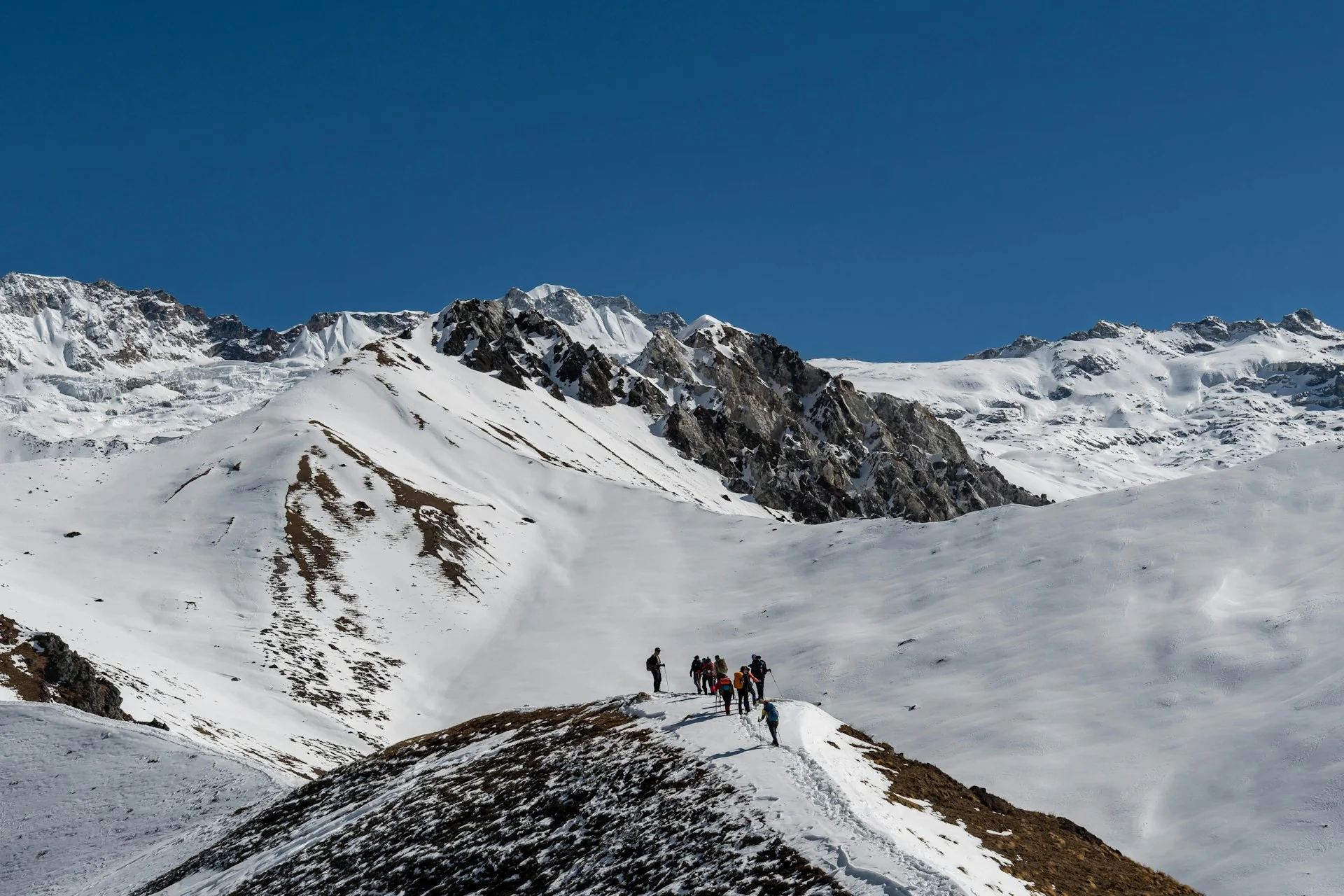
Weather at this altitude changes quickly; even in the trekking seasons, mornings are cold and afternoon cloud can move in fast. Outside the main seasons, the lake and surrounding trail can hold snow and ice, which affects both footing and trail visibility.
Lauribina Pass / High-Altitude Section
This 5-day Dhunche-based itinerary reaches Lauribinayak (approx. 3,900 m), a viewpoint along the ascent to Gosainkunda, but does not cross Lauribina Pass (Lauribina La, approx. 4,600–4,610 m) — that pass crossing is part of a longer, extended route toward the Helambu region (typically 6–7+ days from Sundarijal), not this itinerary.
On this route, the highest point reached is Gosainkunda Lake itself at approximately 4,380 m, and the trek returns to Dhunche via the same trail rather than continuing over the pass. If you’re specifically interested in crossing Lauribina Pass, ask Trek Trove Nepal about the extended itinerary options.
Mountain Views and Landscapes
The trail passes through a changing landscape as it climbs — bamboo and rhododendron forest lower down, giving way to pine, oak, and juniper near Sing Gompa, then increasingly open, sparsely vegetated terrain above Cholangpati. On clear days, Cholangpati and Lauribinayak offer views toward Langtang Ri, Langtang Lirung, Ganesh Himal, and Manaslu.
As with any high-altitude Himalayan route, cloud cover can reduce or block these views on any given day — this is normal for the region and can’t be guaranteed around by any fixed departure date.
Religious and Cultural Significance
Gosainkunda is a significant pilgrimage site for both Hindus and Buddhists. In Hindu tradition, the lake is associated with the god Shiva, and it draws pilgrims especially around the Janai Purnima festival in August.
This is a matter of religious belief and tradition rather than a claim this page makes as historical or scientific fact — trekkers visiting outside pilgrimage season will find a quieter, primarily trekking-focused atmosphere at the lake, while pilgrims visiting during festival periods should be treated with the same respect given to any active religious site.
Trek Difficulty
The Gosainkunda Trek is rated moderate to challenging, and the difficulty comes primarily from altitude rather than distance or technical terrain. The trail itself is a well-established tea house trekking route — steep in sections, with stone and dirt paths, but not technical. What makes it demanding is the pace of altitude gain: reaching 4,380 m by Day 3 from a Day 1 start around 1,400 m in Kathmandu is fast compared to longer treks that spread the same gain over a week or more.
The Day 4 descent is also physically demanding in its own right — a long, steep, sustained downhill that’s hard on knees and ankles.
Fitness Requirements
Good baseline cardiovascular fitness is recommended before this trek, more so than for a low-altitude short trek. Being able to walk 5 to 7 hours a day on uphill and downhill terrain, ideally with some prior hiking or regular cardio training beforehand, will make the trek considerably more manageable.
Altitude & Acclimatization
This is the most important practical consideration on this trek. Gaining roughly 2,400 meters over two trekking days carries a real risk of altitude-related symptoms — headache, nausea, fatigue, or dizziness are possible even in generally fit trekkers, and altitude sickness is not something that can be predicted by fitness level alone. Walking at a steady, unhurried pace, staying well hydrated, and telling your guide immediately if you notice symptoms are all standard, sensible precautions.
If symptoms are more than mild, the appropriate response is to stop ascending and, if necessary, descend — your guide will make this call if needed. Trekkers with pre-existing heart or lung conditions should consult a doctor before booking, and travel insurance that covers high-altitude trekking and emergency evacuation is strongly recommended for this route given how quickly it reaches altitude.
Best Time to do Gosaikunda Trek
Season Comparison
| Season | Months | Conditions |
|---|---|---|
| Spring | March – May | Warm lower down, cold at Gosainkunda, generally good visibility, rhododendron blooming at mid-elevation |
| Summer/Monsoon | June – August | Frequent rain, leeches on lower trail sections, cloud regularly obscures mountain views; Janai Purnima pilgrimage season falls in August |
| Autumn | September – November | Most reliable season — stable weather, clear skies, good mountain visibility |
| Winter | December – February | Cold, with snow likely at Gosainkunda and along the higher trail sections; some tea houses may have limited services |
Weather Overview
Temperature swings across this trek are significant given the altitude range from Kathmandu (1,400 m) to Gosainkunda (4,380 m). Autumn offers the most dependable combination of clear skies and manageable cold at altitude. Spring is generally good but can be cloudier in the afternoons. Winter brings a real chance of snow near the lake, which can affect trail conditions and visibility — this is worth discussing with Trek Trove Nepal if you’re considering a winter departure. Monsoon season brings consistent rain and reduced mountain visibility, along with leeches on the lower forested sections.
Transportation from Kathmandu
The trek begins and ends with a road journey between Kathmandu and Dhunche on the Pasang Lhamu Highway, roughly 6 to 7 hours each way depending on road conditions — parts of the route are not fully paved. This is arranged as part of the package. There is no flight option for this route.
Accommodation for Gosaikunda Trek
Accommodation is in tea houses/lodges along the route, generally on a twin-sharing basis. Facilities become more basic as you gain altitude — Dhunche and Sing Gompa have relatively more developed lodges, while tea houses at Gosainkunda itself are simpler, in keeping with the remote, high-altitude location.
Expect a bed and blankets, with shared or basic attached bathroom facilities; hot showers, where available, are usually a separate paid service, and less reliably available at Gosainkunda than lower down.
| Night | Location | Accommodation Type |
|---|---|---|
| Night 1 | Dhunche | Lodge, twin-share |
| Night 2 | Sing Gompa | Tea house, twin-share |
| Night 3 | Gosainkunda | Tea house, twin-share (basic) |
| Night 4 | Dhunche | Lodge, twin-share |
Meals & Drinking Water
Breakfast, lunch, and dinner are included during the trek days, served at the tea houses along the route. Menus typically include Nepali dal bhat, noodle and rice dishes, and soups; options become simpler at higher elevations like Gosainkunda.
Bottled and boiled water are available for purchase at tea houses; a reusable bottle with purification tablets or a filter is a practical, lower-cost alternative, particularly important given how much hydration matters on this route.
Permits / Entry Requirements / Fees
Two documents are required for this trek:
- Langtang National Park entry permit — required since the route runs through the park.
- TIMS Card (Trekkers’ Information Management System) — a standard trekking registration document for this region.
Trek Trove Nepal arranges both as part of the package. You’ll need your passport details and passport-sized photos in advance. Syabrubesi and Dhunche are generally the last points with reliable ATM access before the trail — carry sufficient cash before heading up toward Gosainkunda.
Packing Checklist for Gosaikunda Trek
| Category | Items |
|---|---|
| Clothing | Base layers, warm insulated jacket (down or synthetic), waterproof/windproof shell, trekking trousers, warm hat, gloves, buff or scarf |
| Footwear | Broken-in, well-supporting hiking boots, warm socks, gaiters if trekking in shoulder season snow |
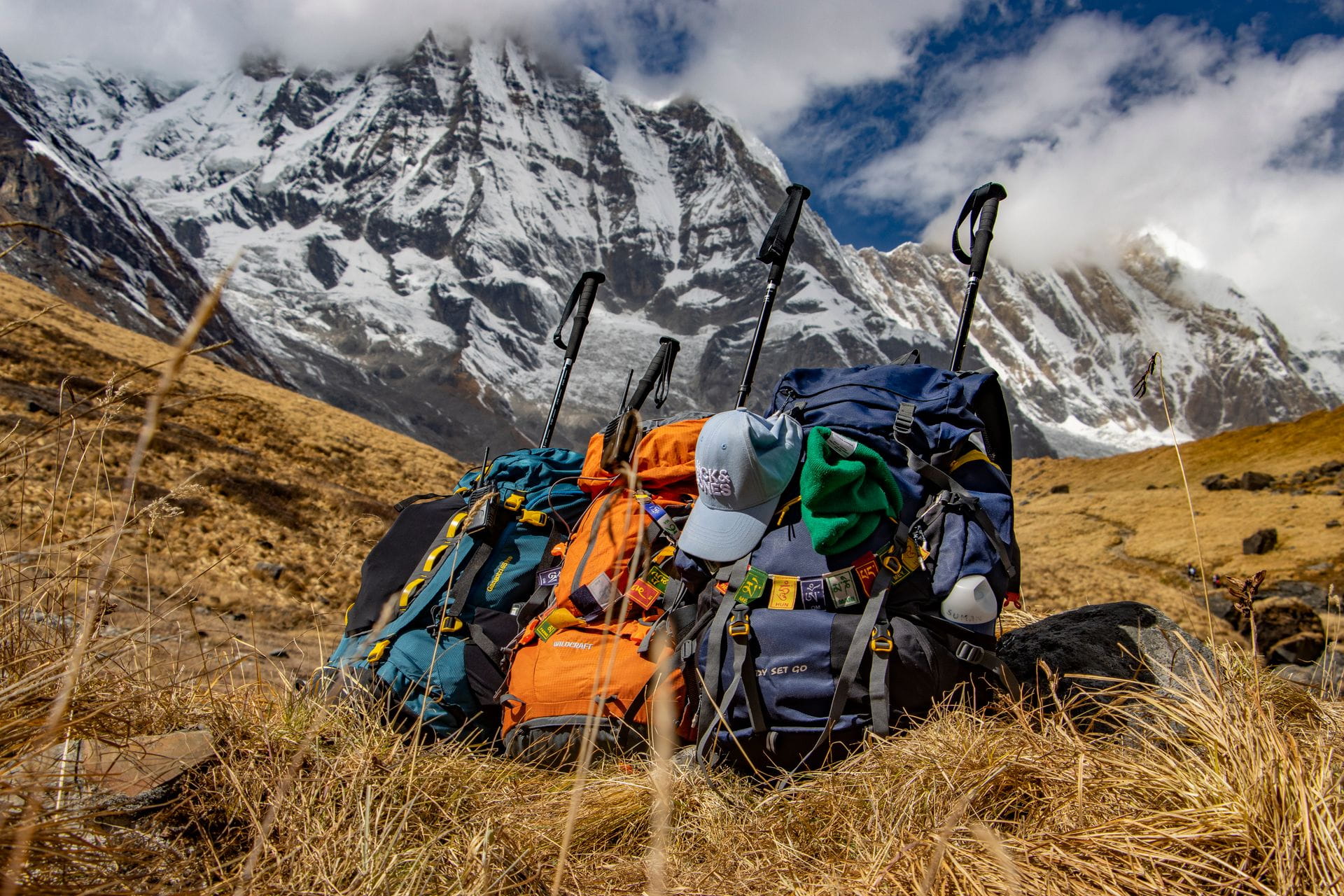
| Gear | Daypack, trekking poles (strongly recommended for the steep descent), headlamp with spare batteries, reusable water bottle |
| Health | Personal first aid kit, sunscreen, sunglasses (UV exposure is higher at altitude), any personal medication, diamox if advised by your doctor |
| Documents | Passport, passport photos, travel insurance details covering high-altitude trekking and evacuation |
| Extras | Power bank, cash in Nepali rupees, basic toiletries |
Cost Breakdown
The US$355 per-person price covers a 5-day itinerary with permits, guide, transport, accommodation, and meals during the trek.
Cost ComponentCoveredLangtang National Park permit + TIMSYesGuide (English-speaking)YesGround transport Kathmandu–Dhunche (return)YesAccommodation (4 nights)YesMeals during trek (B, L, D)YesPorterAvailable on request, additional cost
Optional Services
- Porter service for luggage
- Extra nights in Kathmandu before or after the trek
- Extension toward Langtang Valley or Helambu for a longer combined itinerary
- Airport transfers in Kathmandu
Responsible Trekking
Gosainkunda is a working pilgrimage site as well as a trekking destination, particularly during Janai Purnima in August. Trek Trove Nepal asks trekkers to stay on marked trails, dispose of waste properly (carry out what you carry in, since bins are limited at altitude), and behave respectfully around the lake given its religious significance to Hindu and Buddhist pilgrims.
Practical Travel Tips
- Take the ascent slowly — rushing the Dhunche-to-Gosainkunda climb increases the risk of altitude symptoms.
- Bring trekking poles for the Day 4 descent; the steep, sustained downhill is harder on joints than most people expect.
- Carry more cash than you think you’ll need — Dhunche is generally the last reliable point for withdrawals.
- Check with Trek Trove Nepal about current trail and snow conditions if traveling in winter or early spring.
- Confirm your departure date a few days ahead so permits can be processed.
Book the Gosainkunda Trek – 5 Days
If you have five days and want a real high-altitude trekking experience — a sacred alpine lake at 4,380 meters, genuine elevation gain, and Himalayan views — this route delivers that without requiring weeks of leave.
Because altitude is the central factor here, talk to Trek Trove Nepal about your fitness level and any health considerations when you book, so the itinerary and pace can be set appropriately. Contact us to check availability and confirm departure dates.
Gosainkunda Trek Highlights
- Gosainkunda Lake at approximately 4,380 m — one of the higher points reachable on any short trek from Kathmandu, and the trek's central destination rather than an incidental stop along a longer route.
- Sing Gompa's cheese factory and monastery — a specific, tangible stop on Day 2, not just a nondescript overnight village.
- A genuine altitude challenge in five days. Most short Nepal treks stay below 3,000 m; this one gains over 2,000 m in two trekking days, giving you a real high-altitude experience without a multi-week commitment.
- Three lakes in sequence near the end of Day 3 — Saraswati Kunda and Bhairab Kunda, passed just before reaching Gosainkunda itself.
- Clear-day views of four named peaks — Langtang Ri, Langtang Lirung, Ganesh Himal, and Manaslu, visible from Cholangpati and Lauribinayak on the ascent.
- A landscape that changes visibly as you climb — bamboo and rhododendron lower down, pine and juniper near Sing Gompa, then increasingly open, treeless alpine terrain above Cholangpati.
- A significant Hindu and Buddhist pilgrimage site, not just a scenic lake — particularly notable around the Janai Purnima festival in August, giving the destination real cultural weight alongside the physical challenge.
- A demanding descent that's its own distinct experience — the Day 4 return to Dhunche is a steep, sustained downhill over roughly 18–20 km, testing different fitness than the climb up.