
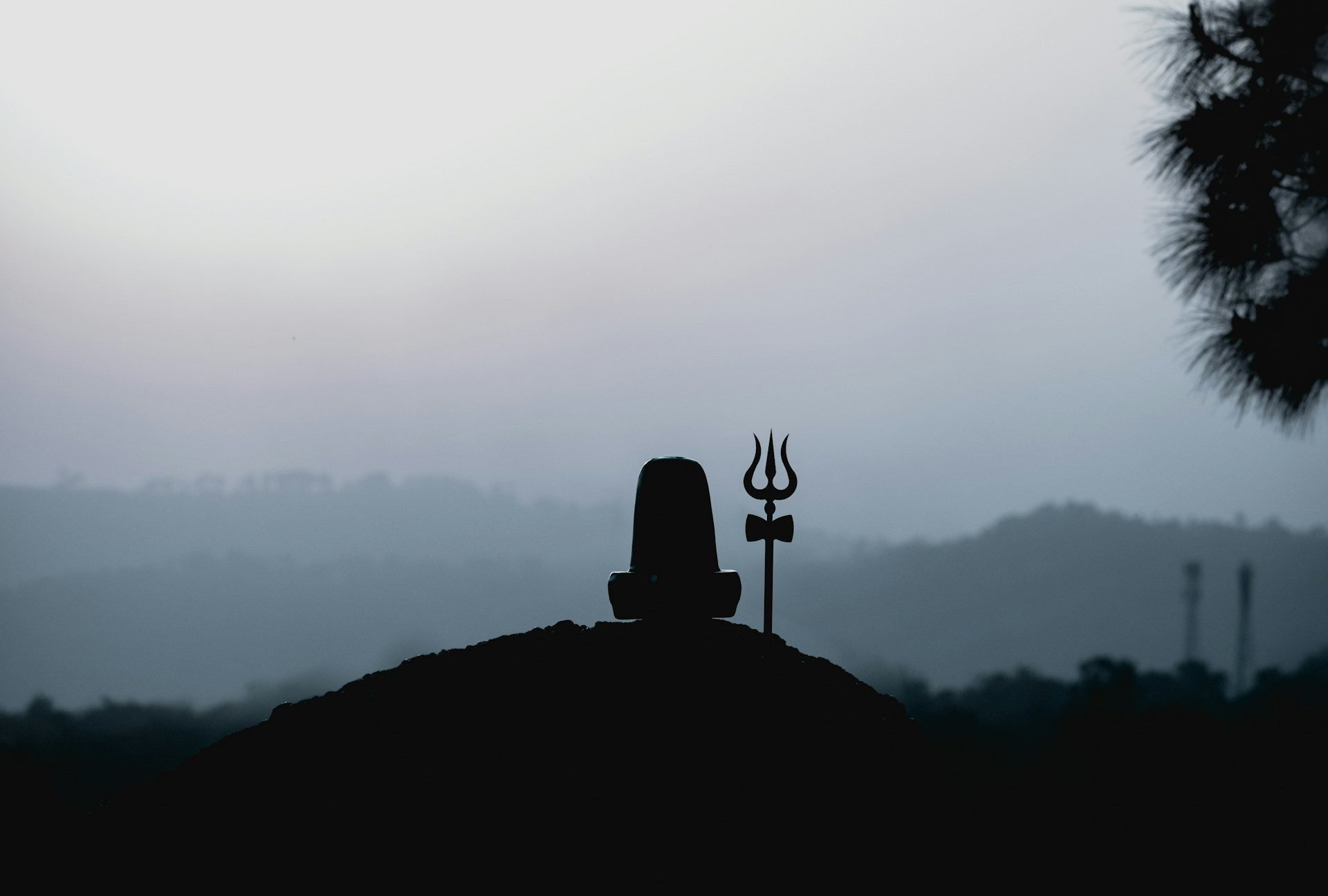
In the eastern hills of Nepal, far from the crowded temple squares of Kathmandu, a sacred cave has drawn pilgrims for centuries. Halesi Mahadev, located in Khotang District, is a place where the earthly and the divine are believed to meet. For Hindus, the cave is a manifestation of Lord Shiva, a natural shrine where the deity is said to have hidden from the demon Bhasmasura. For Tibetan Buddhists, the same site is known as Maratika, a place of profound spiritual power associated with Guru Padmasambhava and the attainment of longevity. For the local Kirat communities, it is a landscape steeped in ancestral meaning. Few places in Nepal embody such layered sacredness.
A Halesi Mahadev Tour from Kathmandu is a journey into this convergence of faiths. It is not a quick sightseeing stop, but a pilgrimage in the true sense—a road journey through river valleys and hill towns, followed by the approach to a cave complex that has been venerated for generations. The air around the temple carries the smell of incense and butter lamps, and the sound of bells and chanting drifts through the chambers. Pilgrims ascend stone steps, bow before shrines, and emerge from the cave with a sense of having touched something ancient.
This tour is designed for travelers who want to experience Nepal’s spiritual depth beyond the well-known circuits. It suits Hindu devotees seeking darshan, Buddhist practitioners drawn to Maratika, cultural travelers curious about religious coexistence, and anyone willing to trade the ease of a short flight for the slower rhythm of a road pilgrimage. Over three days, you will travel from Kathmandu to Halesi, explore the cave temple and its shrines, and return with a deeper understanding of Nepal’s sacred geography.
The journey is long, the terrain is rural, and the experience is profound. For those who make the effort, Halesi Mahadev offers something increasingly rare: a place where different religious traditions have coexisted for centuries, bound together by the power of a cave in the hills.
Why Visit Halesi Mahadev?
Halesi Mahadev is not a single monument but a complex of caves, temples, and shrines that hold meaning for multiple religious traditions. Its significance transcends any one faith.
A Major Shiva Pilgrimage Site
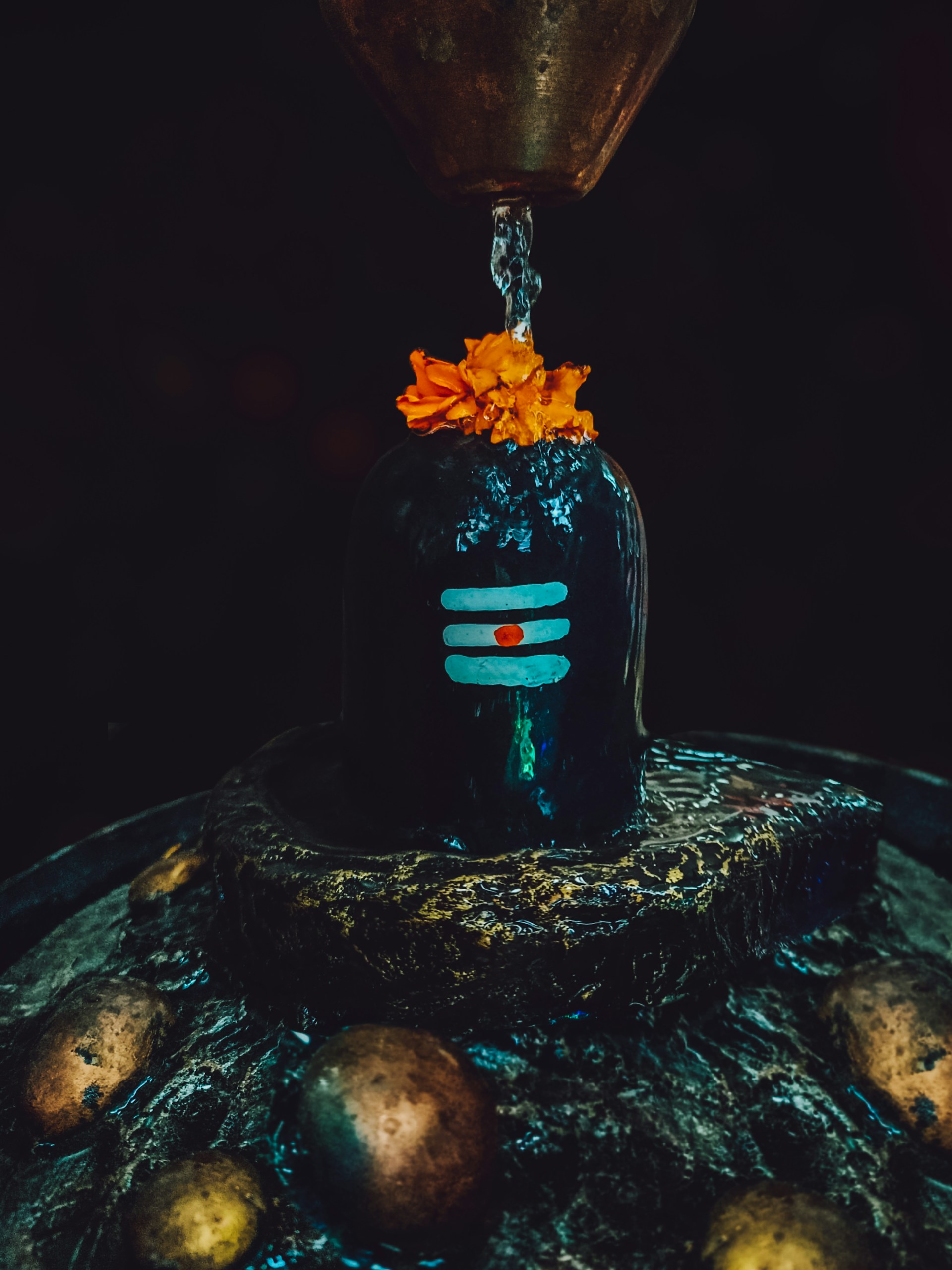
According to Hindu tradition, Halesi Mahadev is the cave where Lord Shiva sought refuge from the demon Bhasmasura, who had obtained a boon that allowed him to turn anyone to ash by touching their head. Shiva, pursued by the demon, entered the cave and escaped through another opening. Devotees believe the cave’s natural formations bear witness to this divine presence. The main cave houses a Shiva lingam, and pilgrims travel great distances to offer prayers.
The Buddhist Maratika Connection
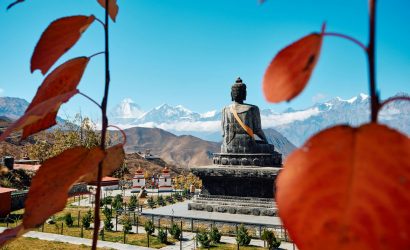
For followers of Tibetan Buddhism, Halesi is known as Maratika, one of the sacred places associated with Guru Padmasambhava. According to Buddhist tradition, Guru Padmasambhava and his consort Mandarava attained the realization of immortality—or longevity—at Maratika through the practice of Amitayus, the Buddha of Infinite Life. The caves are thus considered a power place for longevity practices and meditation. Tibetan Buddhist pilgrims have visited for centuries, and the area holds profound significance in the Nyingma tradition.
Religious Coexistence
Halesi is a rare example of Hindu and Buddhist traditions sharing a sacred space without erasing one another. Both communities maintain shrines, conduct rituals, and recognize the spiritual power of the caves. This coexistence is not a modern invention but a long-standing feature of the site. Visitors can witness Hindu puja and Buddhist meditation occurring within the same complex, a testament to Nepal’s unique religious pluralism.
Kirat Cultural Context
The broader Halesi region is home to Kirat communities, who have their own ancestral and cultural connections to the landscape. The hills of eastern Nepal carry a deep history that predates the arrival of organized religious traditions. Understanding this context adds another layer to the visitor’s experience.
Natural and Scenic Setting
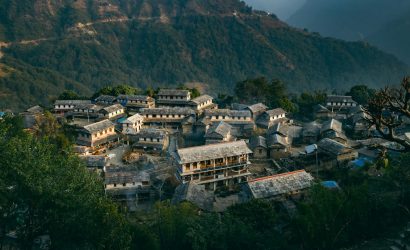
The journey to Halesi passes through rural Nepal at its most authentic—terraced fields, river valleys, small bazaars, and forested hills. The cave itself is a natural limestone formation, with chambers, passages, and rock formations that evoke awe even before one considers their religious meaning.
A Genuine Pilgrimage Experience
Unlike some well-known temples that are easily accessible, Halesi requires time and effort. This very distance gives the pilgrimage its character. Travelers who make the journey are rewarded with a more intimate, less commercialized spiritual experience.
Halesi Mahadev Tour Highlights
- Halesi Mahadev Temple: Visit the main temple within the cave complex, dedicated to Lord Shiva as Halesi Mahadev.
- Sacred Cave Complex: Explore the natural limestone caves that form the heart of the pilgrimage site.
- Maratika Cave: For Buddhist pilgrims, the cave holds deep significance as a place of longevity practice associated with Guru Padmasambhava.
- Shiva Shrine: Observe the sacred lingam and the rituals performed by Hindu priests and devotees.
- Hindu and Buddhist Shrines: Witness the coexistence of Hindu and Buddhist sacred spaces within the same complex.
- Natural Rock Formations: Marvel at the cave’s geological features, shaped over millennia.
- Spiritual Atmosphere: Absorb the constant hum of bells, chanting, and prayer that fills the cave and its surroundings.
- Local Village Life: Experience the rhythms of rural Khotang, where agriculture and devotion shape daily life.
- Scenic Road Journey: Travel through the middle hills of Nepal, with views of rivers, terraces, and distant ridges.
- Cultural Diversity: Encounter the layered cultural heritage of the region, including Hindu, Buddhist, and Kirat traditions.
3 Days / 2 Nights Halesi Mahadev Tour from Kathmandu
This is the recommended itinerary for most travelers. It balances the long road journey with adequate time for pilgrimage and rest.
Day 1: Kathmandu to Halesi
Your journey begins early in the morning with pickup from your hotel in Kathmandu. You will travel by private vehicle, leaving the Kathmandu Valley and heading east along the national highway. The road follows river valleys and climbs over forested ridges, passing through small towns and roadside settlements. Your driver will make stops for meals, tea, and rest as needed.
The drive to Halesi is long. Depending on road conditions, traffic, and weather, the journey can take much of the day. The road is paved in sections but may be rough or under construction in others. Travelers prone to motion sickness should take precautions.
You will arrive in Halesi by late afternoon or early evening. After checking into your accommodation and resting, you may take a short walk to the temple area for an initial glimpse of the cave complex. The evening is free for dinner and rest. Overnight in Halesi.
Note: Actual travel time is highly variable. We do not guarantee a specific arrival time. Your driver and guide will prioritize safety over speed.
Day 2: Halesi Mahadev Pilgrimage & Cave Exploration
This is the heart of the pilgrimage. After breakfast, you will walk to the Halesi Mahadev temple complex, which is built around and within the natural cave. The approach involves stone steps and uneven paths.
Your guide will explain the significance of the site, including its importance to Hindu devotees and its identification with Maratika in Buddhist tradition. You will enter the main cave, where the Shiva lingam is enshrined. Hindu pilgrims may perform puja and offer prayers. Non-Hindu visitors are welcome to observe from a respectful distance.
You will also explore the surrounding cave chambers and shrines. The cave environment is cool and dim, with stone surfaces that can be slippery. A flashlight can be helpful, though the main areas are usually lit.
Depending on your interest, you may visit:
- The main Halesi Mahadev shrine within the cave
- Buddhist shrines and meditation spaces
- Smaller caves and chambers connected to the main complex
- The surrounding hillside and viewpoints
The afternoon can be spent in rest, meditation, or further exploration. Your guide will allow ample time for personal prayer and reflection. The evening is free. Overnight in Halesi.
Day 3: Halesi to Kathmandu
After breakfast, you may have time for a final morning visit to the temple if you wish. Many pilgrims prefer to offer morning prayers before beginning the return journey.
You will then depart Halesi and begin the drive back to Kathmandu. The return journey follows the same route, with stops for meals and rest. You will arrive in Kathmandu by evening, depending on road conditions. The tour ends with drop-off at your hotel.
Note: We do not guarantee a fixed arrival time in Kathmandu. If you have a flight the following day, we recommend allowing a buffer day.
4 Days / 3 Nights Halesi Mahadev Tour
For travelers who prefer a more relaxed pace, the 4-day/3-night itinerary offers significant advantages.
The additional day allows you to:
- Break the journey to Halesi with an overnight stop en route, reducing the fatigue of a long single-day drive
- Spend a full day at the cave complex without feeling rushed
- Explore the surrounding area, including nearby villages and viewpoints
- Rest between the outward and return journeys
This option is strongly recommended for:
- Senior travelers
- Families with children
- Travelers who dislike long drives
- Pilgrims who want extended time for prayer and meditation
- Anyone who wants to experience Halesi without exhaustion
The itinerary is the same as the 3-day tour, but with a more gradual travel schedule. We can customize the overnight stops based on your preferences and current road conditions.
Can You Visit Halesi Mahadev in One Day?
A same-day tour from Kathmandu to Halesi Mahadev is technically possible but generally not recommended. The road journey is long—often taking 5 to 7 hours or more in each direction, depending on conditions. This means a day trip would involve 10 to 14 hours or more of driving, leaving only a brief window for actually visiting the temple.
Advantages of a day trip:
- Only requires one day of travel time
- Lower cost than a multi-day tour
Disadvantages of a day trip:
- Extremely tiring, especially for the driver
- Very limited time at the temple—possibly less than an hour
- No time for quiet reflection or full cave exploration
- High risk of arriving back in Kathmandu very late
- Not suitable for senior travelers, families, or pilgrims
We do not recommend a same-day tour for most travelers. The spiritual and cultural significance of Halesi deserves more than a rushed visit. A minimum of one night’s stay is strongly advised.
Kathmandu to Halesi Travel Guide
By Private Vehicle
A private vehicle is the most comfortable and flexible option for traveling from Kathmandu to Halesi. It allows you to:
- Depart at your preferred time
- Stop for meals, rest, and photography
- Travel at a pace that suits your group
- Avoid the discomfort of crowded public transportation
- Carry luggage safely
The vehicle remains with you throughout the tour, providing convenient transfers in Halesi and for the return journey. This is the most common choice for our guests.
By Bus
Public and tourist buses serve routes from Kathmandu toward eastern Nepal, but direct service to Halesi may be limited. Travelers taking a bus may need to change vehicles at a junction town and arrange local transport for the final leg. Buses are the most budget-oriented option but offer the least comfort and flexibility. They are not generally recommended for this journey, especially for families or seniors.
Other Transportation Options
As of the latest information available to us, there are no direct flights from Kathmandu to Halesi or to a nearby airport that would meaningfully shorten the journey. Travel to Halesi is primarily by road. We do not recommend relying on any unverified air or rail service. Always confirm current transportation options with us before planning your trip.
Kathmandu to Halesi Road Journey
The road journey from Kathmandu to Halesi is a significant part of the pilgrimage experience. It offers a cross-section of rural Nepal, passing through towns, river valleys, and forested hills.
Road Conditions
The condition of the road can vary greatly. Sections of the highway are paved, but other stretches may be rough, narrow, or affected by construction and landslides, especially during the monsoon. Travel is slower than it might appear on a map.
Scenic Landscapes
The route offers views of terraced fields, rivers, and distant ridges. In clear weather, the middle hills are green and inviting. The landscape changes as you travel east, away from the Kathmandu Valley.
Rest Stops and Food
Small towns and roadside settlements along the route offer simple food and tea. We recommend eating at clean, busy establishments and avoiding raw or unwashed foods. Your driver will know suitable stopping points.
Motion Sickness
The winding roads and long journey can cause motion sickness. Travelers who are susceptible should bring appropriate medication and sit near the front of the vehicle. Fresh air and light snacks can help.
Weather Considerations
The road can be affected by rain, especially during the monsoon season (June to September). Landslides and road damage are possible. In winter, fog in the lowlands may slow travel. Always allow extra time and remain flexible.
Travel Comfort
A private vehicle offers the best comfort, but even so, this is a long journey. Dress comfortably, bring water, and be prepared for a full day of travel.
History of Halesi Mahadev
The history of Halesi Mahadev is layered and complex, drawing from Hindu, Buddhist, and local Kirat traditions.
Hindu Tradition
According to Hindu tradition, Halesi Mahadev is the cave where Lord Shiva hid from the demon Bhasmasura. The story, drawn from the Puranas, tells that Bhasmasura had received a boon from Shiva allowing him to turn anyone to ash by touching their head. When Bhasmasura attempted to use this power on Shiva himself, Shiva fled and took refuge in the Halesi cave. He then tricked the demon into touching his own head, destroying him. Devotees associate the cave’s natural formations with this divine drama.
Buddhist Tradition
In Tibetan Buddhist tradition, the site is known as Maratika. According to the Nyingma school, Guru Padmasambhava and his consort Mandarava practiced at Maratika and attained the realization of immortality (or longevity) through the practice of Amitayus. The cave is one of the most important power places for Buddhist longevity practice and has been visited by great masters for centuries.
Kirat Cultural Context
The broader region around Halesi has been inhabited by Kirat communities for centuries. Their cultural and spiritual traditions predate the arrival of organized Hindu and Buddhist institutions. The landscape of eastern Nepal carries layers of meaning that reflect this deep indigenous history. Visitors should be aware that Halesi is not an empty stage for Hindu and Buddhist narratives but a living landscape with its own local heritage.
Historical Record
The exact historical origins of the temple complex are not clearly documented in the public record. The cave has been a place of worship for centuries, and the structures around it have been built and rebuilt over time. We do not present legends as verified historical events, and we encourage visitors to appreciate the site’s spiritual significance without requiring historical proof.
Halesi and Lord Shiva
Halesi Mahadev is, first and foremost, a Shiva shrine. The name “Mahadev” refers to Shiva, the “Great God” of Hinduism. For Shiva devotees, Halesi is a natural temple, a place where the deity’s presence is believed to be especially potent.
The Cave as Shiva
In Hindu understanding, the cave itself is sacred. The main chamber houses a Shiva lingam, the aniconic representation of the deity. Pilgrims offer water, milk, flowers, and prayers. The natural rock formations within the cave are seen as manifestations of divine presence.
The Bhasmasura Legend
The story of Shiva’s escape from Bhasmasura is central to the site’s Hindu identity. It explains why the cave is holy and why Shiva is worshipped here with particular devotion. The legend is a matter of faith, not historical record.
Pilgrimage and Darshan
For Hindu pilgrims, the goal of the journey is darshan—seeing and being seen by the deity. The moment of entering the cave and standing before the lingam is the culmination of the pilgrimage. Many pilgrims travel from far away, sometimes on foot, to reach this sacred place.
Maha Shivaratri
Halesi Mahadev is especially significant during Maha Shivaratri, the great night of Shiva. Pilgrims gather in large numbers to offer prayers, fast, and stay awake through the night. The atmosphere is intense and deeply devotional. Travel during this time requires advance planning and tolerance for crowds.
Halesi/Maratika in Buddhist Tradition
For Tibetan Buddhists, Halesi is Maratika, a sacred place of the highest importance. The name Maratika appears in Buddhist texts and is associated with one of the most significant events in the Nyingma tradition.
Guru Padmasambhava and Mandarava
According to Buddhist tradition, Guru Padmasambhava, the great tantric master who brought Buddhism to Tibet, practiced at Maratika with his consort Mandarava. Through their practice of Amitayus, the Buddha of Infinite Life, they attained the realization of immortality—not physical immortality in the ordinary sense, but the realization of the deathless nature of mind. Maratika is therefore considered a power place for longevity practice.
The Longevity Caves
The caves at Halesi are believed to contain the energy of this attainment. Buddhist practitioners visit Maratika to engage in longevity practices, meditation, and retreat. The site is considered particularly auspicious for practices related to health, long life, and the overcoming of obstacles.
Buddhist Shrines and Offerings
Within the complex, Buddhist shrines coexist with Hindu shrines. Tibetan pilgrims offer butter lamps, prayer flags, and katas (white scarves). The presence of both Hindu and Buddhist sacred objects within the same caves is a powerful symbol of Nepal’s religious pluralism.
A Place of Meditation
For Buddhist visitors, Maratika is not just a place to visit but a place to practice. Many pilgrims spend extended time in meditation within the caves. The quiet, dim atmosphere supports contemplative practice.
Kirat Cultural Significance
The Halesi region lies within the traditional territory of Kirat communities, one of Nepal’s indigenous peoples. The Kirat have their own religious and cultural traditions that predate the arrival of Hindu and Buddhist institutions.
The broader landscape of eastern Nepal is rich with Kirat heritage. Sacred sites, ancestral narratives, and traditional practices are woven into the hills and valleys. Halesi itself, as a natural cave of striking power, likely held significance for local communities long before it became a Hindu and Buddhist pilgrimage center.
Visitors should be aware of this layered history. The presence of Hindu and Buddhist temples does not erase the deeper indigenous heritage of the region. Travelers are encouraged to respect local customs, dress modestly, and engage with communities in a spirit of humility.
We do not make specific claims about Kirat religious narratives at Halesi, as these are complex and vary by community. What is clear is that the region is culturally diverse, and this diversity is part of what makes it significant.
Halesi Caves
The Halesi cave complex is a natural limestone formation, shaped by water over geological time. It is not a single cave but a system of chambers and passages.
The Main Cave
The main cave houses the Halesi Mahadev shrine. The entrance is large and imposing, and the interior opens into a chamber where the Shiva lingam is enshrined. The cave continues deeper, with natural rock formations and smaller shrines.
Walking Conditions
The cave floor can be uneven, wet, and slippery. Stone steps are present in some areas, but the surface is natural. Visitors should wear sturdy, non-slip footwear and take care when moving through the cave. The lighting is dim in places; a flashlight can be useful, though the main areas are usually illuminated.
Physical Demands
Visiting the cave involves walking, climbing stairs, and navigating uneven terrain. It is not wheelchair accessible. Travelers with mobility concerns should assess their comfort level. A guide can help you navigate the cave safely.
Natural Formations
The cave contains stalactites, stalagmites, and other limestone features. These natural formations are part of the cave’s beauty and are also interpreted religiously by pilgrims. Do not touch or damage the formations; they are fragile and sacred.
Atmosphere
The cave is cool and quiet, a contrast to the open air outside. The atmosphere is contemplative and, for many visitors, deeply moving. The sound of dripping water, the flicker of oil lamps, and the murmur of prayers create a powerful sensory experience.
Halesi Mahadev Temple
The Halesi Mahadev Temple is built around and within the main cave. The architecture is simple and functional, designed to accommodate pilgrims rather than to impress with ornament.
Setting
The temple sits at the base of a hillside, with the cave opening behind it. The setting is rural and peaceful, surrounded by trees and small dwellings. Pilgrims approach along a path that winds upward from the village.
Shrines
The main shrine houses the Shiva lingam. Around it are smaller shrines dedicated to other deities, including Parvati, Ganesh, and local protective deities. Buddhist shrines are also present, reflecting the site’s dual religious identity.
Worship
Hindu priests perform regular puja, and pilgrims offer flowers, water, milk, and sweets. The temple is busiest in the early morning and during festivals. Non-Hindu visitors are welcome in the outer areas but should not enter the inner sanctum unless permitted by temple staff.
Visitor Etiquette
Remove shoes before entering the temple. Dress modestly. Do not touch sacred objects. Photography may be restricted in the inner areas. Follow the guidance of priests and local staff.
Religious Festivals
Halesi Mahadev comes alive during religious festivals, when the number of pilgrims increases dramatically.
Maha Shivaratri
This is the most important Hindu festival at Halesi Mahadev. Falling in February or March, it celebrates Lord Shiva. Pilgrims fast, offer prayers, and stay awake through the night. The cave temple is crowded, and the atmosphere is intensely devotional. Accommodation fills quickly, and travel is busy. If you plan to visit during Maha Shivaratri, book well in advance and be prepared for crowds.
Bala Chaturdashi
This festival, observed in late November or early December, is associated with honoring departed ancestors. Pilgrims scatter sacred grains and perform rituals. Halesi is one of the sites where Bala Chaturdashi is observed, though Pashupatinath is more famous for it.
Buddhist Observances
Buddhist pilgrims visit Maratika throughout the year, with increased numbers during significant dates in the Tibetan calendar. The exact dates vary annually. Tibetan Buddhist practitioners often time their visits to coincide with auspicious days for longevity practice.
Local Festivals
Local communities may observe their own religious and cultural festivals. These are less well-known to outsiders but are part of the region’s living heritage.
Important: Festival dates are based on lunar calendars and change each year. Always confirm current dates and plan accordingly. Crowds can be very large during major festivals.
Best Time to Visit Halesi Mahadev
Autumn (October–November)
Autumn is one of the best times to visit Halesi Mahadev. The weather is generally dry and mild, the skies are often clear, and the road conditions are typically at their best. This is a popular season for pilgrimage and travel in Nepal.
Winter (December–February)
Winter days are pleasant, but mornings and evenings can be cold, especially in the hills. The clear winter air can make for beautiful views. Road travel is generally fine, though fog in low-lying areas may slow the journey. Warm layers are essential.
Spring (March–April)
Spring brings warmer temperatures and blooming vegetation. The hills are green and alive. This is a comfortable time to travel, though the weather can become warm at lower elevations. Maha Shivaratri often falls in this period, bringing large crowds.
Summer (May–June)
The pre-monsoon heat can be intense, especially in the lowlands and during the road journey. The hills are generally cooler than the Terai, but the drive can be hot. We do not generally recommend this period for travel to Halesi, especially for families and seniors.
Monsoon (July–September)
The monsoon brings heavy rain, and the roads to Halesi can be affected by landslides, mud, and damage. Travel is unpredictable, and the cave area can be wet and slippery. The landscape is lush and green, but the journey is challenging. We generally advise against road travel to Halesi during the peak monsoon months.
Overall Recommendation: October to March is the most comfortable and reliable period for a Halesi Mahadev tour.
Halesi Weather
Halesi lies in the middle hills of eastern Nepal, at a moderate elevation. The climate is generally cooler than the Terai lowlands but warmer than the high Himalayas. Conditions vary by season.
- Autumn: Mild and dry, with clear skies.
- Winter: Cool to cold, especially at night and early morning.
- Spring: Warm and pleasant, with occasional pre-monsoon showers.
- Summer: Hot in lower areas, but the hills are more temperate.
- Monsoon: Heavy rain, high humidity, and possible travel disruption.
Note: We do not provide exact temperature data because conditions vary by elevation and microclimate. Check current weather forecasts before departure and pack accordingly.
Who Is This Tour For?
Hindu Pilgrims
This is primarily a Shiva pilgrimage. The tour is designed to allow ample time for darshan, prayer, and participation in rituals according to your own faith. We provide practical support without interfering in religious practice.
Buddhist Pilgrims
For Buddhist travelers, Halesi is Maratika, a sacred place of longevity practice. The tour can be adjusted to allow time for meditation, offerings, and retreat-like quiet. We respect the distinct Buddhist significance of the site.
Shiva Devotees
Those with a particular devotion to Lord Shiva will find Halesi to be a powerful destination. The cave shrine offers a unique form of Shiva worship in a natural setting.
Spiritual Travelers
Travelers seeking a deeper spiritual experience beyond sightseeing will appreciate the contemplative atmosphere of Halesi. The long journey and rural setting create space for reflection.
Families
The tour can work for families, especially with the 4-day itinerary and a private vehicle. Children can learn about Nepal’s religious diversity and experience a working pilgrimage site.
Couples
The quiet, meaningful nature of the journey makes it suitable for couples seeking a shared spiritual or cultural experience.
Solo Travelers
Solo travelers can join a private guided tour and benefit from the security and knowledge of a local guide.
Senior Travelers
With a private vehicle and a relaxed pace, senior travelers can undertake this pilgrimage comfortably. We recommend the 4-day option and careful attention to mobility needs.
International Tourists
For non-Hindu and non-Buddhist visitors, Halesi offers a rare opportunity to witness Nepal’s religious pluralism and rural life. A knowledgeable guide helps navigate the cultural complexities.
Cultural Travelers
If you are interested in the intersections of religion, culture, and landscape, Halesi is a compelling destination that resists simple categorization.
Halesi Tour for Pilgrims
We understand that a pilgrimage is not an ordinary tour. For pilgrims, this journey is an act of devotion. Our role is to handle the practical logistics so you can focus on your spiritual practice.
We provide:
- Comfortable private transportation from Kathmandu
- Knowledgeable guides who understand Hindu and Buddhist traditions
- Flexible timing for darshan and prayer
- Advice on temple etiquette and rituals
- Arrangements during festival periods
We do not provide:
- Special temple access
- Guaranteed darshan
- Religious services or rituals on your behalf
The sanctity of your pilgrimage is personal. We respect your faith and support your journey with practical, seamless arrangements.
Halesi Tour for Families
Halesi can be a rewarding family destination, especially for families interested in culture and religion.
Tips for families:
- Choose the 4-day itinerary to reduce travel fatigue.
- Book a private vehicle for comfort and flexibility.
- Bring snacks and water for children.
- Explain the religious significance of the site in advance.
- Keep children close in crowded areas.
- Be prepared for basic accommodation and food in Halesi.
The cave itself may be challenging for very young children due to uneven surfaces and dim lighting. Use your judgment. The experience can be educational and meaningful for older children.
Halesi Tour for Senior Travelers
Senior travelers can visit Halesi comfortably with careful planning.
Recommendations:
- Choose the 4-day itinerary to avoid a very long single driving day.
- Use a private vehicle with a careful, experienced driver.
- Wear sturdy, non-slip footwear for the cave.
- Take frequent rest breaks during the drive.
- Avoid the hot summer months and the monsoon.
- Inform us of any mobility concerns or medical needs.
The cave involves walking on uneven surfaces and climbing some stairs. If you have limited mobility, you can still view the temple from the outside and participate in the atmosphere without entering the deepest sections. We can adjust the itinerary accordingly.
What to Wear at Halesi Mahadev
Modest, comfortable clothing is appropriate for this religious site.
- Shoulders and knees: Cover both. Long pants or long skirts are recommended.
- Footwear: Comfortable walking shoes with good grip. The cave can be slippery. Shoes must be easy to remove for entering the temple.
- Layers: The hills can be cool, especially in the morning and evening. Bring a warm layer.
- Rain protection: During the monsoon and shoulder seasons, a rain jacket is useful.
- Comfort: The road journey is long. Wear clothes that are comfortable for sitting for extended periods.
Dressing modestly shows respect for the sacred atmosphere and the local community.
Visitor Etiquette
- Remove shoes before entering the temple and cave shrines.
- Dress modestly, covering shoulders and knees.
- Do not touch sacred objects or statues unless you are a Hindu devotee performing worship.
- Ask permission before photographing people, including priests and pilgrims.
- Photography may be restricted in certain areas of the cave and temple. Follow signs and instructions.
- Keep your voice low and avoid disruptive behavior.
- Do not interrupt rituals or prayers.
- If you wish to make an offering, do so at designated places and according to local custom.
- Keep the cave and temple grounds clean. Do not litter.
- Respect all religious traditions represented at the site.
What to Pack
- Modest, comfortable clothing (shoulders and knees covered)
- Comfortable walking shoes with non-slip soles
- A warm layer (especially for winter and mornings)
- Rain jacket or umbrella (monsoon and shoulder seasons)
- Water bottle
- Sunscreen
- Hat or cap
- Small backpack
- Personal medication
- Motion-sickness medication if you are prone to car sickness
- Flashlight or headlamp (useful in cave areas)
- Travel documents
- Camera (where permitted)
- Basic toiletries
Pack light, as you will be moving between vehicles and accommodation.
Halesi Accommodation
Halesi is a small pilgrimage town with limited accommodation options. Facilities are generally basic compared to Kathmandu or Pokhara.
What to expect:
- Simple guesthouses and lodges
- Private rooms with attached or shared bathrooms
- Hot water may be limited or available at set times
- Clean but basic bedding
- Some places may offer vegetarian meals
During festivals:
Accommodation fills quickly during Maha Shivaratri and other major events. Book well in advance.
We will arrange the best available accommodation based on your preferences and the season. Please understand that Halesi is a rural pilgrimage destination, not a luxury resort. The simplicity of the accommodation is part of the experience.
Food in Halesi
Food options in Halesi are simple and predominantly Nepali. Vegetarian food is widely available, which suits the pilgrimage context.
Commonly available:
- Dal bhat: The staple Nepali meal of rice, lentil soup, vegetables, and pickles. It is filling, hygienic when served hot, and widely available.
- Momo: Steamed or fried dumplings, a favorite across Nepal.
- Chow mein and fried rice: Simple carbohydrate-heavy dishes.
- Tea and snacks: Local tea shops serve tea, biscuits, and simple snacks.
Many pilgrims choose to eat vegetarian food as part of their spiritual practice. In general, vegetarian options are easy to find in Halesi.
Hygiene: Choose clean, busy establishments. Avoid raw vegetables and unpeeled fruits. Drink bottled or purified water.
Halesi Mahadev Tour Cost
We do not list a fixed price because each tour is customized. The cost depends on:
- Number of travelers: Private tours cost more per person for smaller groups.
- Vehicle type: A comfortable private vehicle costs more than a basic vehicle.
- Number of nights: A 4-day tour costs more than a 3-day tour.
- Accommodation: Basic guesthouse vs. the best available option in Halesi.
- Guide: Whether a professional guide is included.
- Meals: How many meals are included.
- Season: Festival periods may be more expensive.
- Customization: Additional destinations or activities.
A private vehicle tour from Kathmandu will generally cost more than a bus-based budget option, but it offers significant advantages in comfort, flexibility, and safety.
Contact us for a personalized, no-obligation quotation based on your travel dates and preferences.
What’s Included
The following are typical inclusions; exact items will be confirmed in your booking summary.
- Kathmandu hotel pickup and drop-off
- Private transportation for the entire journey (Kathmandu–Halesi–Kathmandu)
- Halesi accommodation for the specified nights
- Breakfast at the hotel (if included)
- Professional local guide (if selected)
- Sightseeing and temple visits as per itinerary
- Government taxes and service charges (where applicable)
Some packages may exclude certain items. We will make all inclusions clear before booking.
What’s Not Included
- International airfare
- Nepal visa fees
- Travel insurance
- Personal expenses (shopping, drinks, snacks)
- Meals not specified in the itinerary
- Religious donations or offerings
- Tips for guide and driver
- Optional activities or additional sightseeing
- Additional accommodation before or after the tour
- Any costs arising from delays, road closures, weather events, or unforeseen circumstances
Halesi Mahadev Tour Combinations
Halesi + Kathmandu
Most travelers combine Halesi with Kathmandu sightseeing. Explore the capital’s heritage before or after your pilgrimage. Ideal for first-time visitors to Nepal.
Halesi + Pashupatinath
Combine two great Shiva pilgrimage sites: Pashupatinath in Kathmandu and Halesi Mahadev in the eastern hills. This is a powerful combination for Shiva devotees.
Halesi + Muktinath
For a complete Nepal pilgrimage, add Muktinath, the high-altitude temple sacred to both Hindus and Buddhists. This requires a longer itinerary and additional travel.
Halesi + Janakpur
Combine the Shiva cave of Halesi with Janakpur, the city of Sita and Rama. This covers two major traditions within one Nepal trip.
Halesi + Lumbini
Pair the Hindu/Buddhist significance of Halesi with Lumbini, the birthplace of the Buddha. A profound journey for travelers interested in both traditions.
Halesi + Everest Region
For those with more time, Halesi can be combined with a trip toward the Everest region, either for trekking or a scenic flight.
Complete Nepal Pilgrimage Tour
A longer tour covering Kathmandu, Halesi, Janakpur, Muktinath, and Lumbini. This is a comprehensive spiritual journey for dedicated pilgrims.
We can customize any combination to fit your schedule and interests.
Halesi vs Other Nepal Pilgrimage Destinations
| Destination | Main Significance | Best For | Travel Style |
|---|---|---|---|
| Halesi Mahadev | Shiva cave shrine, Hindu and Buddhist sacred site | Pilgrims seeking a less commercialized experience, those interested in religious coexistence | Long road journey, basic accommodation, rural setting |
| Pashupatinath | Lord Shiva, living rituals, cremation ghats | Shiva devotees, spiritual seekers | Easy access from Kathmandu, urban setting |
| Muktinath | Vishnu and Buddhist sacred site, high altitude | Pilgrims seeking high mountain yatra | Flight to Jomsom and drive or trek, remote |
| Janaki Mandir | Sita/Ramayana, Mithila culture | Ramayana devotees, cultural travelers | Flight or road from Kathmandu, Terai setting |
| Lumbini | Birthplace of Buddha, peace | Buddhists, meditation practitioners | Accessible by flight or road, developed tourism |
Each destination has its own distinct spiritual character. Halesi stands out for its cave setting, its layered religious significance, and its more remote, less developed atmosphere.
Responsible Religious Tourism
Halesi is a sacred place for multiple religious traditions. Responsible tourism means:
- Respect all religious traditions represented at the site.
- Dress modestly and follow temple rules.
- Do not interrupt ceremonies or rituals.
- Ask before photographing people.
- Do not treat religious practices as entertainment.
- Avoid loud behavior and unnecessary noise.
- Keep the cave and temple grounds clean; carry out all waste.
- Do not damage natural cave formations.
- Support local businesses and guides responsibly.
- Be mindful of the local community’s privacy and dignity.
- Do not make offerings that are inappropriate or disrespectful to the site’s traditions.
By traveling responsibly, you honor the sanctity of Halesi and help preserve it for future generations of pilgrims.
Frequently Asked Questions
1. What is Halesi Mahadev?
Halesi Mahadev is a sacred cave temple in eastern Nepal, dedicated to Lord Shiva. It is also known as Maratika in Tibetan Buddhist tradition, where it is associated with Guru Padmasambhava and longevity practice. It is a major pilgrimage site for both Hindus and Buddhists.
2. Where is Halesi Mahadev located?
Halesi Mahadev is located in Khotang District, in the eastern hills of Nepal. It is situated in a rural area, several hours’ drive from Kathmandu. The temple is built within a natural limestone cave complex.
3. How do I travel from Kathmandu to Halesi Mahadev?
The only practical way to reach Halesi Mahadev from Kathmandu is by road, either by private vehicle or bus. There are no direct flights. The journey is long and takes most of a day. We recommend a private vehicle for comfort and flexibility.
4. How long does it take to reach Halesi from Kathmandu?
The road journey typically takes 5 to 7 hours or more each way, depending on road conditions, traffic, weather, and stops. It is a long, winding route through the middle hills of Nepal.
5. How many days are enough for a Halesi Mahadev Tour?
A minimum of 3 days and 2 nights is recommended. This allows one full day at the cave temple and two travel days. A 4-day/3-night itinerary is more comfortable and is recommended for families and seniors.
6. Is Halesi Mahadev suitable for senior travelers?
Yes, with proper planning. We recommend a private vehicle, a 4-day itinerary, and a slow pace. The cave involves uneven surfaces and steps, but seniors can participate at their own comfort level. Inform us of mobility concerns.
7. Is Halesi suitable for families?
Yes, especially with a private vehicle and the 4-day option. Children can learn about Nepal’s religious diversity. The cave may be challenging for very young children, and accommodation is basic. Use your judgment.
8. What is Halesi Maratika?
Halesi Maratika is the Buddhist name for the cave complex. In Tibetan Buddhist tradition, Maratika is where Guru Padmasambhava and Mandarava attained the realization of immortality through longevity practice. It is a sacred power place for Buddhist meditation.
9. Why is Halesi important to Hindus?
According to Hindu tradition, Halesi is the cave where Lord Shiva hid from the demon Bhasmasura. The cave houses a Shiva lingam and is a major Shiva pilgrimage site, especially significant during Maha Shivaratri.
10. Why is Halesi important to Buddhists?
For Tibetan Buddhists, Halesi is Maratika, one of the most important sites for longevity practice. It is associated with Guru Padmasambhava and is considered a power place where spiritual practice yields accelerated results.
11. What is the connection between Halesi and Lord Shiva?
Halesi Mahadev is a Shiva shrine. The name “Mahadev” means “Great God,” referring to Shiva. The cave is believed to be the place where Shiva escaped from the demon Bhasmasura. Devotees worship the Shiva lingam within the cave.
12. What is the best time to visit Halesi Mahadev?
October to March is generally the best time, with dry, mild weather. The monsoon (July–September) makes road travel difficult. Maha Shivaratri (usually February–March) is a powerful but crowded time to visit.
13. Can I visit Halesi Mahadev during Maha Shivaratri?
Yes, but be prepared for large crowds, limited accommodation, and a busy travel period. The festival is a powerful experience, but it is not for everyone. Book well in advance.
14. Is Halesi Mahadev accessible by road?
Yes, Halesi is accessible by road from Kathmandu. The road is paved in parts but can be rough. Travel is slow. A private vehicle is the most comfortable option.
15. Is the Halesi cave difficult to walk through?
The cave has uneven, sometimes slippery surfaces and some steps. It requires reasonable mobility and sturdy footwear. It is not wheelchair accessible. Take care and follow your guide’s instructions.
16. What should I wear at Halesi Mahadev?
Wear modest clothing covering shoulders and knees. Comfortable walking shoes with non-slip soles are essential for the cave. Bring a warm layer for mornings and evenings.
17. What should I bring for a Halesi tour?
Bring modest clothing, sturdy shoes, a warm layer, water, snacks, personal medication, and motion-sickness medication if needed. A flashlight can be useful in the cave. Pack light.
18. How much does a Halesi Mahadev tour cost?
The cost depends on group size, vehicle type, accommodation, number of nights, and inclusions. A private vehicle tour costs more than a budget bus option. Contact us for a customized quotation.
19. Can I combine Halesi with Pashupatinath?
Yes, combining Halesi with Pashupatinath in Kathmandu is a natural and powerful Shiva pilgrimage combination. We can arrange a tour that includes both sites.
20. Can I combine Halesi with Muktinath?
Yes, but it requires a longer itinerary and additional travel. Halesi and Muktinath are both major pilgrimage sites, and the combination is meaningful for Hindu and Buddhist pilgrims.
21. Can I combine Halesi with Janakpur?
Yes, Halesi and Janakpur can be combined. Janakpur is the city of Sita and Rama, while Halesi is a Shiva site. The combination covers two important Hindu traditions.
22. Is Halesi Mahadev suitable for international travelers?
Yes, with a guide. The cultural and religious complexity of Halesi is best navigated with local expertise. The road journey and basic accommodation may be challenging for some, but the experience is rewarding.
23. Where can I stay in Halesi?
Halesi has simple guesthouses and lodges. Accommodation is basic compared to Kathmandu. During festivals, rooms fill quickly. We will arrange the best available option for your tour.
24. Can I book a private Halesi Mahadev tour from Kathmandu?
Yes, we specialize in private Halesi Mahadev tours. You will have a private vehicle, a dedicated guide, and a flexible itinerary tailored to your needs. Contact us to book.
Why Book Your Halesi Mahadev Tour With Us?
We are a Nepal-based travel company with deep knowledge of the country’s pilgrimage routes and sacred sites. We understand that Halesi Mahadev is not an ordinary destination; it is a place of profound spiritual significance that requires sensitivity, respect, and local expertise.
Our team offers:
- Experienced drivers familiar with the Kathmandu–Halesi road
- Knowledgeable guides who understand Hindu, Buddhist, and local traditions
- Flexible itineraries that prioritize your comfort and spiritual needs
- Transparent pricing with no hidden costs
- A commitment to responsible, respectful travel
- Support for local communities and businesses
We do not promise special temple access, guaranteed darshan, or religious services. We promise a well-organized, safe, and meaningful journey to one of Nepal’s most unique sacred places.
Plan Your Halesi Mahadev Tour from Kathmandu
The road to Halesi is long, but the destination is worth every hour. For Shiva devotees, it is a chance to stand before a natural shrine that has drawn pilgrims for centuries. For Buddhist practitioners, it is Maratika, a power place of longevity and realization. For travelers of any background, it is a rare opportunity to witness Nepal’s religious coexistence in a landscape of quiet beauty.
Let us help you plan the journey. Choose the standard 3-day itinerary or the more relaxed 4-day option. Travel in a comfortable private vehicle with an experienced driver and a knowledgeable guide. Allow time for prayer, reflection, and exploration. Add other pilgrimage sites if you wish—Pashupatinath, Janakpur, Muktinath, or Lumbini.
Contact us today to request a personalized quotation for your Halesi Mahadev Tour from Kathmandu. Let the sacred caves of eastern Nepal welcome you.