
Introduction
On the banks of the Bagmati River in eastern Kathmandu, Pashupatinath Temple rises as one of the most sacred Hindu sites in Nepal and the entire subcontinent. Dedicated to Lord Shiva in his form as Pashupati, the “Lord of Animals,” this temple is not merely an architectural monument or a stop on a sightseeing checklist. It is a living sanctuary where devotion, death, and daily life meet in unbroken continuity. For centuries, pilgrims from Nepal, India, and beyond have traveled here to seek blessing, perform rituals, and connect with the divine.
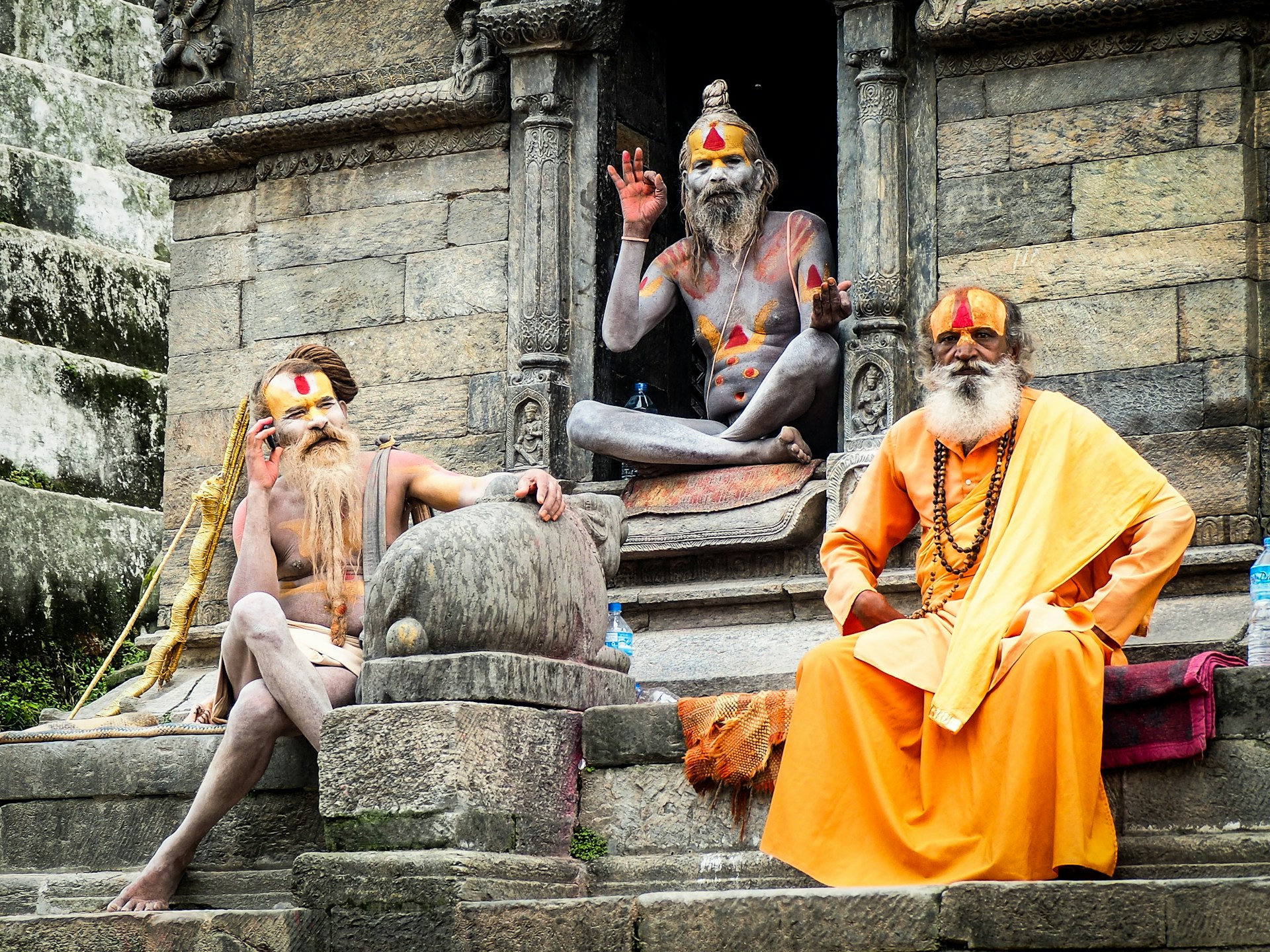
A Pashupatinath Temple Tour is an opportunity to encounter the depth of Hindu spiritual tradition in a respectful and meaningful way. The sprawling temple complex, with its tiered pagoda roofs, carved wooden struts, and dozens of smaller shrines, sits at the edge of a river that Hindus consider sacred. Here, sadhus with ash-covered bodies sit in meditation, families perform puja for departed loved ones, and the evening air fills with the sound of bells and chanting. It is a place of profound emotion and ancient ritual.
For international travelers, visiting Pashupatinath can be intense and unfamiliar. A knowledgeable local guide can help you understand what you are seeing, where you may and may not go, and how to behave with sensitivity. For Hindu pilgrims, a tour can ease logistics and allow deeper focus on darshan and devotion. In either case, this is not a place to rush. Pashupatinath asks for stillness, respect, and an open heart.
Please note that visitor access, ritual schedules, and temple rules can change. We strongly recommend confirming current details with temple authorities or your tour provider before visiting.
Why Visit Pashupatinath Temple?
Pashupatinath is often described as the soul of Kathmandu. It is a UNESCO World Heritage Site and one of the most important Shaiva temples in the world. But its significance goes far beyond labels.
Religious and Spiritual Significance
For Hindus, Pashupatinath is the abode of Lord Shiva, the destroyer and transformer among the Trimurti. Devotees believe that darshan of the lingam inside the main temple brings spiritual merit. The atmosphere is charged with devotion, prayer, and the rhythms of ritual life that have continued for centuries.
Living Cultural Heritage
Pashupatinath is not a museum. It is an active, functioning temple complex where cremations, weddings, initiation ceremonies, and daily worship take place. The Bagmati River, flowing beside the temple, is both a physical and spiritual artery. Watching the rituals here—especially from a respectful distance—offers a deep insight into Hindu beliefs about life, death, and the afterlife.
Architectural Splendor
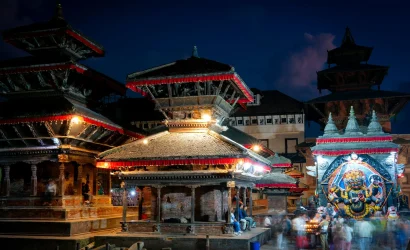
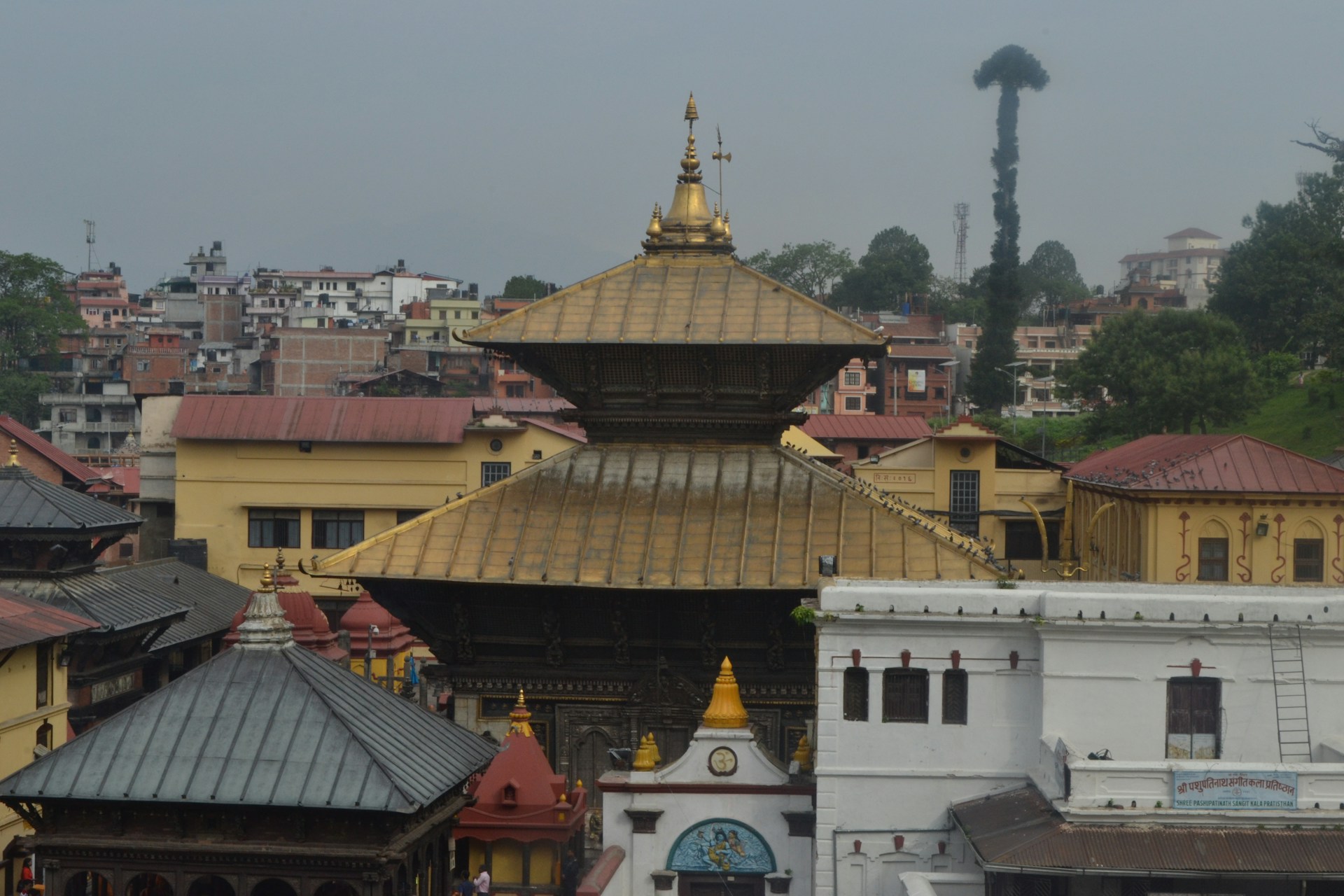
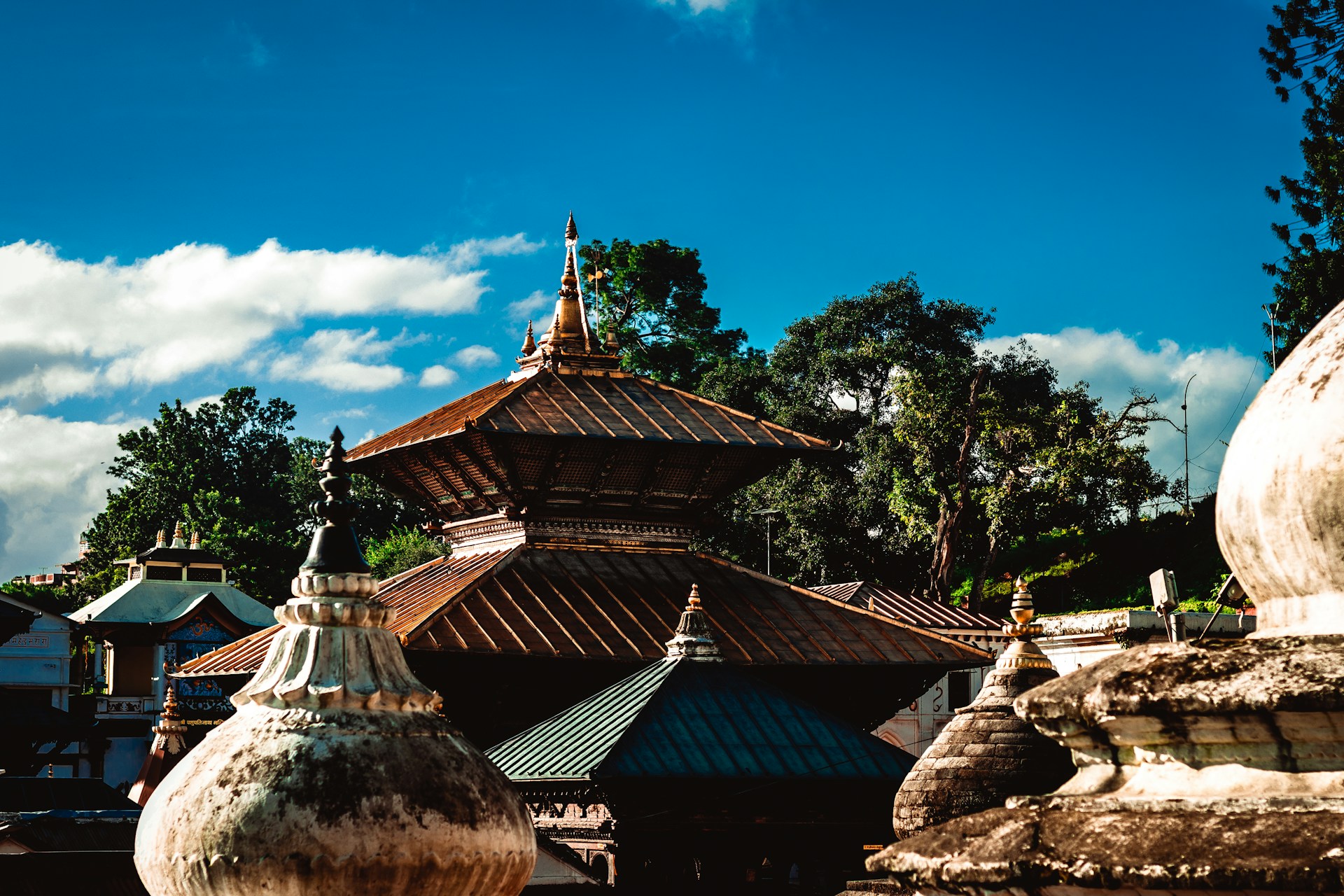
The main temple is a stunning example of Nepali pagoda architecture. Its tiered roofs are gilded, and the wooden carvings around the temple are intricate and symbolic. The surrounding complex contains numerous smaller shrines, ashrams, and stone sculptures that reflect centuries of artistic patronage.
A Place of Contrast
Pashupatinath sits in the midst of urban Kathmandu, yet entering the complex feels like stepping into another world. The noise of the city fades, replaced by the sound of temple bells, conch shells, and the murmur of prayers. It is a place of profound peace amid chaos.
Connection to Hindu Identity
For many Nepali Hindus, Pashupatinath is not just a temple but a part of their cultural identity. Festivals like Maha Shivaratri and Teej bring thousands of devotees. Visiting during these times offers a powerful, if crowded, experience of communal faith.
A visit to Pashupatinath is not for passive observation. It invites you to participate in a respectful, quiet way—to sit by the river, observe the rituals, and reflect on the cycle of life that unfolds before you.
Pashupatinath Tour Highlights
- Main Temple Complex: Observe the revered Pashupatinath Temple from the designated visitor area. The two-tiered golden roof and silver doors are visible from the eastern side of the Bagmati River.
- Sacred Bagmati River: Walk along the river’s edge where ghats (stone steps) descend to the water, used for rituals and cremations.
- Arya Ghat: The most sacred cremation ghat, where royal and high-status cremations have traditionally taken place.
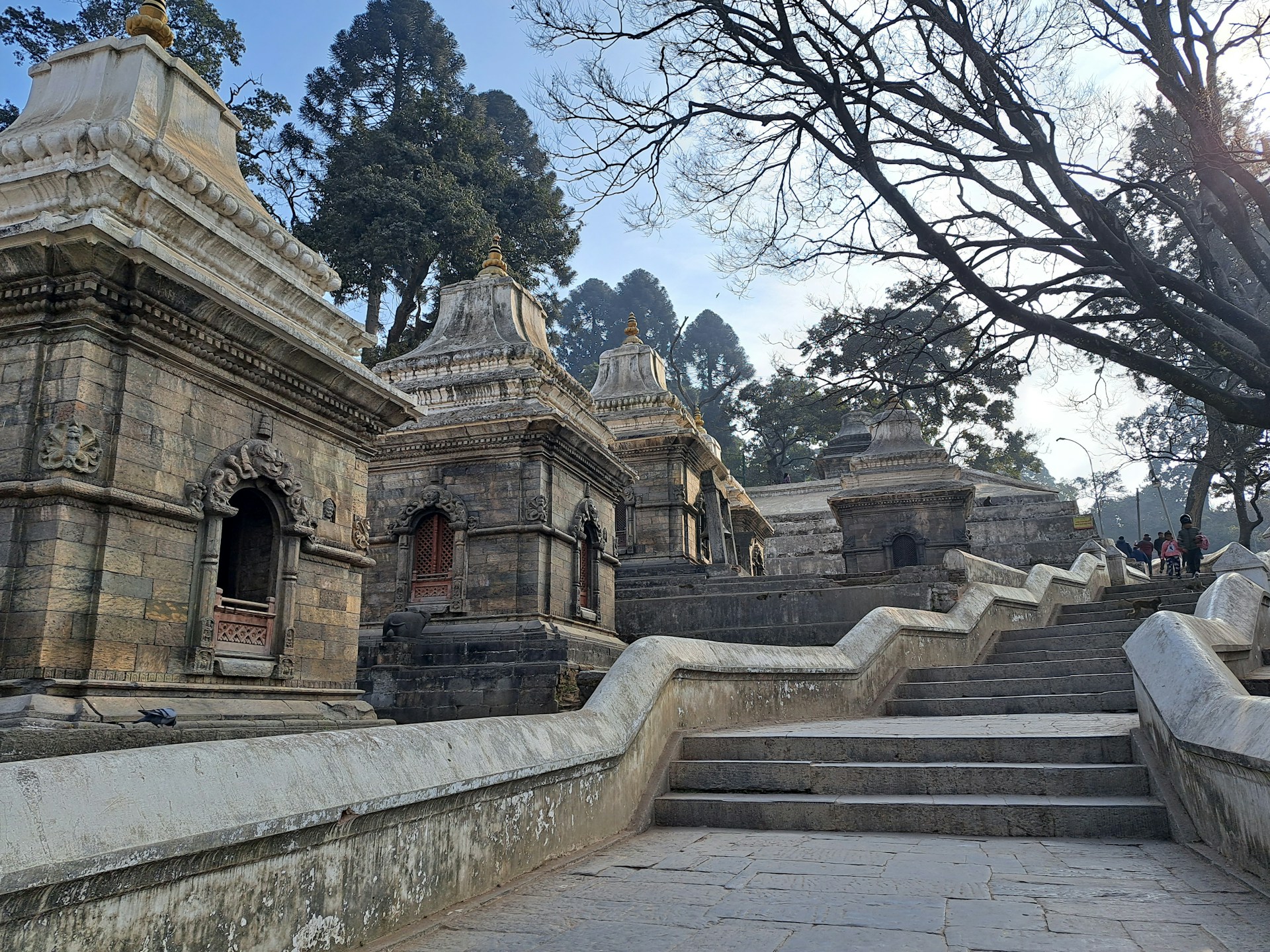
- Surrounding Shrines: Explore the many smaller lingams, statues, and temples scattered throughout the complex.
- Sadhus: Encounter Hindu ascetics, often dressed in saffron or covered in ash, who reside in the area. Respectful interaction is possible; tipping may be expected for photographs.
- Evening Aarti: If schedules align, witness the Ganga aarti ceremony on the riverbank, a powerful ritual of light and devotion.
- Architectural Details: Admire the carved wooden windows, struts, and stone sculptures that reflect centuries of Newari craftsmanship.
- UNESCO World Heritage Site: Learn about the historical and cultural significance of this protected site.
Important: The main temple sanctum is open only to Hindus. Non-Hindu visitors can observe from the opposite bank of the river or designated viewing areas. Photography is restricted in certain areas, especially near cremation ghats. Always follow posted signs and guide instructions.
Pashupatinath Temple Tour Itinerary
Half-Day Pashupatinath Temple Tour
This is a typical half-day itinerary, suitable for both international tourists and pilgrims who want a structured introduction to the site.
Morning or Afternoon
- Hotel Pickup: Your guide will meet you at your hotel in Kathmandu or a pre-arranged location.
- Transfer to Pashupatinath: Travel by private vehicle to the temple complex, usually a short drive from Thamel or the city center.
- Guided Exploration: Begin with an overview of the temple’s history and religious significance from outside the main sanctum. Your guide will lead you to the eastern bank of the Bagmati River, where you can view the main temple and the ghats.
- Bagmati River and Ghats: Walk along the designated paths and observe the rituals taking place. Your guide will explain the ceremonies, symbols, and customs in a respectful manner.
- Surrounding Shrines: Visit smaller temples and shrines in the outer complex, including the area near the sacred lingams.
- Return: After approximately 2–3 hours, return to your vehicle and be dropped off at your hotel or a nearby attraction.
Optional Evening Aarti
If you wish to witness the evening aarti ceremony on the banks of the Bagmati River, the tour can be scheduled for late afternoon or early evening. The aarti involves priests performing ritual offerings with fire, accompanied by chanting and music. This is a powerful experience, but schedules can change. We will confirm the current aarti time and arrange your visit accordingly.
Note: Access to certain areas may be restricted during major festivals or for security reasons. The itinerary may be adjusted on the day.
Full-Day Kathmandu Spiritual & Cultural Tour
For a richer Kathmandu experience, combine Pashupatinath with other significant heritage sites.
This full-day tour typically includes:
- Pashupatinath Temple: Start the day with a visit to the sacred complex, as described above.
- Boudhanath Stupa: A short drive away lies one of the largest Buddhist stupas in the world, surrounded by monasteries and prayer wheels. The contrast between Hindu and Buddhist sacred spaces makes for a profound day.
- Swayambhunath (Monkey Temple): Perched on a hilltop, this ancient stupa offers panoramic views of Kathmandu and is a center of both Buddhist and Hindu worship.
- Kathmandu Durbar Square: End the day exploring the old royal palace complex, with its temples, courtyards, and the living goddess Kumari’s residence.
This combination works well because it covers the major spiritual and historical landmarks of Kathmandu in one day, with enough time to experience each without feeling rushed. Travelers with limited time will find it efficient and deeply rewarding.
Pashupatinath + Other Pilgrimage Destinations
For travelers on a broader spiritual journey, Pashupatinath can be combined with other sacred sites in Nepal and beyond.
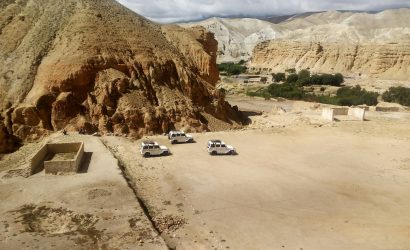
- Pashupatinath + Muktinath: Muktinath, located in the Mustang region, is a sacred site for both Hindus and Buddhists. The combination of Pashupatinath and Muktinath is highly revered. This journey requires a flight or a longer road trip.
- Pashupatinath + Janakpur: Janakpur, the birthplace of Sita and associated with Lord Rama, is an important Hindu pilgrimage town. It can be reached by road or flight.
- Pashupatinath + Lumbini: Lumbini, the birthplace of the Buddha, offers a peaceful contrast and is a major site for Buddhists. Combining Hindu and Buddhist pilgrimage makes sense for travelers interested in the spiritual traditions of the region.
- Pashupatinath + Pokhara: Pokhara, with its lakes and mountain views, provides relaxation and natural beauty after the intensity of Kathmandu.
- Pashupatinath + Kathmandu Cultural Tour: Already covered above.
These combinations are not religiously mandatory, but they offer a broader understanding of Nepal’s religious and cultural landscape. Our team can customize a pilgrimage itinerary based on your interests and time.
History of Pashupatinath Temple
The history of Pashupatinath is long and layered, blending archaeology, legend, and continuous religious tradition.
According to Hindu tradition, the site has been sacred for millennia. Legends speak of Lord Shiva taking the form of a deer to rest in the forests of the Kathmandu Valley. The name “Pashupatinath” means “Lord of Animals,” and the deer legend is central to the temple’s identity. A lingam, said to have been discovered by cowherds, became an object of worship. This lingam is considered one of the holiest in Shaivism.
Historically, the temple complex has existed in some form since at least the Licchavi period (c. 5th–8th century CE). Inscriptions and stone sculptures from this era have been found nearby. The current main temple structure is generally dated to the Malla period, with significant renovations and patronage by various kings. The pagoda-style architecture is characteristic of Newari craftsmanship, which flourished in the Kathmandu Valley.
Pashupatinath has survived earthquakes, invasions, and political changes. After the 2015 earthquake, the temple itself remained largely intact, though some surrounding structures were damaged and have been restored. The site’s enduring importance reflects its central place in the religious and cultural identity of Nepal.
It is important to distinguish between religious tradition and documented history. Many stories about the temple’s origin are matters of faith, not verifiable fact. Our guides will present both respectfully.
Religious Significance of Pashupatinath
Pashupatinath is one of the most important temples dedicated to Lord Shiva, one of the principal deities of Hinduism.
Lord Shiva and Pashupati
Shiva is known as the destroyer and transformer within the Hindu trinity (Trimurti), alongside Brahma the creator and Vishnu the preserver. As Pashupati, he is the lord of all living beings, a protector of animals and the natural world. Devotees believe that worshipping Shiva at Pashupatinath brings liberation from the cycle of birth and death.
Darshan
The act of darshan—seeing and being seen by the deity—is central to Hindu worship. Pilgrims come to Pashupatinath to have darshan of the sacred lingam inside the main temple. The lingam is a symbolic representation of Shiva, and its worship involves offerings, prayers, and circumambulation.
The Bagmati River
The Bagmati River is considered a manifestation of the goddess Bagmati and is sacred to Shiva. Bathing in the river is believed to purify sins. The river is also essential for cremation rituals, as the ashes are eventually released into its waters, symbolizing the soul’s journey toward liberation.
Festivals
Pashupatinath is the focus of major Hindu festivals, most notably Maha Shivaratri (the great night of Shiva) and Teej (a festival observed by women for marital well-being). During these times, the temple sees a massive influx of devotees and sadhus.
For Non-Hindus
Understanding the religious significance of Pashupatinath enhances the experience for all visitors. Even if you cannot enter the main sanctum, observing the rituals and the devotion of pilgrims offers a profound insight into Hindu spirituality.
Pashupatinath Temple Architecture
The Pashupatinath Temple is an outstanding example of Nepali pagoda architecture, a style characterized by tiered roofs and intricate wood and metal craftsmanship.
Main Temple Structure
The main temple is a two-tiered pagoda with a gilded copper roof. The upper tier is gold-plated, and the lower roof is copper with gold embellishments. Four silver doors lead into the sanctum, which houses the sacred lingam. The exterior is adorned with carved wooden struts and windows, many depicting deities, animals, and symbolic motifs.
Courtyards and Shrines
The temple sits within a large complex of courtyards, ghats, and smaller shrines. There are numerous lingams of various sizes, some under open-air stone canopies. The complex includes ashrams, rest houses, and pavilions built over centuries by kings, nobles, and devotees.
Symbolism
Every architectural element carries symbolic meaning. The tiered roofs represent the cosmic mountains of Hindu cosmology. The gilded pinnacle is a symbol of divinity. The river-facing orientation reflects the importance of the Bagmati in rituals.
Restricted Areas
Non-Hindus are not permitted to enter the main temple building or certain inner courtyards. However, much of the architectural splendor can be appreciated from the eastern bank of the river, where the temple’s profile is clearly visible. The surrounding shrines and ghats are also accessible to all visitors, subject to current rules.
Bagmati River & Arya Ghat
The Bagmati River is inseparable from Pashupatinath. It flows along the temple complex, and its banks are lined with ghats—stone steps leading down to the water—used for ritual bathing and cremation.
Religious Significance
Hindus consider the Bagmati a holy river. Bathing in it is believed to cleanse the soul. The river is also the conduit for the ashes of the dead, carrying them toward the Ganges and ultimately to the sea, symbolizing the soul’s release.
Arya Ghat
Arya Ghat is the most sacred cremation ghat at Pashupatinath. It has traditionally been reserved for members of the royal family and high-ranking individuals, though its use has evolved. Cremation ceremonies take place here and at other ghats along the river.
Cremation Ceremonies
Visitors to Pashupatinath will likely witness cremation rituals. These are not tourist performances; they are private, deeply emotional family ceremonies. It is essential to maintain silence, keep a respectful distance, and never photograph the ceremonies or the grieving families. Some general photographs from a distance may be permitted, but it is always best to err on the side of restraint and follow your guide’s advice.
Appropriate Behavior
When near the ghats, do not point, laugh, or speak loudly. Do not approach families or attempt to console strangers. Observing quietly from the designated paths is the appropriate way to witness this profound aspect of Hindu life and death.
Evening Aarti at Pashupatinath
The evening aarti at Pashupatinath is a powerful ritual of light and sound, often performed on the banks of the Bagmati River.
What Is Aarti?
Aarti is a Hindu ritual in which a priest waves a lit lamp or flame in circular motions before a deity, accompanied by chanting, bells, and music. It is an act of devotion and worship.
The Pashupatinath Aarti
At Pashupatinath, the aarti is typically held in the evening at the ghats near the main temple. Priests perform synchronized movements with large brass lamps, filling the air with fire, incense, and devotion. Pilgrims and visitors sit on the steps or across the river, singing and clapping.
Observing Respectfully
If you wish to attend the aarti, arrive early to find a good seat. Dress modestly, keep your voice low, and do not block the view of devotees. Photography may be permitted but avoid using flash and do not intrude on worshippers.
Scheduling
The aarti time can change seasonally. It is often held around sunset, but we cannot guarantee a specific time. Your guide will confirm the current schedule and advise you on the best way to experience it.
Maha Shivaratri at Pashupatinath
Maha Shivaratri, the “Great Night of Shiva,” is the most important festival at Pashupatinath. It usually falls in February or March, on the 13th or 14th night of the waning moon in the month of Phalguna.
Significance
Devotees believe that on this night, Lord Shiva performed the Tandava dance and that the planets align favorably for spiritual practice. Many Hindus fast, stay awake all night, and offer prayers to Shiva.
Atmosphere
During Maha Shivaratri, Pashupatinath becomes a sea of pilgrims. Thousands of sadhus—some covered in ash, others naked or draped in saffron—gather at the temple. The air is thick with incense, chanting, and the smoke of sacred fires. It is a raw, intense, and unforgettable spectacle of faith.
Travel Considerations
If you plan to visit during Maha Shivaratri, be prepared for massive crowds, road closures, and long lines. Accommodation in Kathmandu may be fully booked. We can arrange guided visits, but access to certain areas may be restricted for security. This festival is not for travelers seeking quiet reflection; it is a vibrant but overwhelming celebration.
Teej & Other Religious Occasions
Pashupatinath is central to several other Hindu festivals.
Teej
Teej is a festival observed primarily by married women, who fast and pray for the health and longevity of their husbands. Women dress in red saris, sing devotional songs, and visit Shiva temples, especially Pashupatinath. The atmosphere is colorful and joyful, but also deeply religious. Large crowds are common.
Other Occasions
Other festivals, such as Bala Chaturdashi and the month of Shravan, also draw large numbers of devotees to Pashupatinath. During Shravan (July–August), Mondays are especially auspicious for Shiva worship, and the temple sees an influx of pilgrims.
Practical Advice
During any major festival, expect significant crowds, longer travel times, and possible changes to access. A knowledgeable guide is especially valuable during these periods to help you navigate respectfully.
Who Can Enter Pashupatinath Temple?
This is one of the most important questions for international visitors.
The Main Temple Sanctum
The inner sanctum of the main Pashupatinath Temple is open only to Hindus. This rule is strictly enforced. Non-Hindus are not permitted to enter the main temple building or the immediate inner courtyard.
The Surrounding Complex
Non-Hindu visitors are generally allowed to explore much of the surrounding complex, including the ghats, outer courtyards, and smaller shrines. The eastern bank of the Bagmati River offers clear views of the main temple and is a designated area for tourists.
Current Rules
Access policies can change, especially during festivals or for security reasons. We strongly advise confirming the latest entry rules with temple authorities or your tour provider before visiting.
Respect the Rule
The restriction on non-Hindus is a religious rule, not a minor regulation. Attempting to enter restricted areas is disrespectful and can cause offense. A good guide will ensure you understand where you can and cannot go.
Visitor Rules & Temple Etiquette
To visit Pashupatinath respectfully, follow these guidelines:
- Dress modestly: Cover your shoulders and knees. Avoid shorts, tank tops, and revealing clothing.
- Remove your shoes: You must remove shoes before entering temple areas or certain shrines. Carry them or leave them in designated places.
- Do not touch sacred objects: Avoid touching statues, lingams, or offerings unless you are a Hindu devotee performing worship.
- Photography restrictions: Do not photograph cremation ceremonies or grieving families. Photography may be restricted in certain areas; look for signs and follow your guide.
- Mobile phone etiquette: Keep phones on silent and avoid taking calls in prayer areas.
- Silence in sensitive areas: Lower your voice near ghats, shrines, and during ceremonies.
- Do not interrupt rituals: Never walk between worshippers and the deity or disturb prayers.
- Respect sadhus: Sadhus may ask for money for photographs. If you take their photo, it is customary to give a small donation.
- Follow security staff: Always obey instructions from temple security and officials.
These rules are for everyone’s benefit and help maintain the sacred atmosphere of the site.
What to Wear
Appropriate clothing is essential at Pashupatinath.
Recommended Attire
- For men and women: Modest clothing covering shoulders and knees. Long pants or long skirts are ideal. T-shirts with sleeves are fine.
- Footwear: Comfortable walking shoes or sandals that are easy to remove. You will need to take them off frequently.
- Weather considerations: In summer, light but modest fabrics; in winter, bring a warm layer for mornings and evenings. A light scarf or shawl can be useful for covering shoulders or head in certain areas.
What to Avoid
- Shorts above the knee
- Sleeveless tops or tank tops
- Tight or revealing clothing
- Clothing with offensive graphics
Dressing modestly is a sign of respect for the sanctity of the site and the local culture.
Best Time to Visit Pashupatinath
Morning
Mornings are generally quieter and cooler. The light is soft, and you may see pilgrims performing morning rituals on the river. This is often the best time for photography (from permitted areas) and for a more contemplative experience.
Evening
The evening, especially around sunset, offers the opportunity to witness the aarti ceremony. The atmosphere is more atmospheric with lamps and chanting. It can be more crowded.
Major Festivals
Maha Shivaratri and Teej are times of intense devotion and massive crowds. They offer a unique cultural experience but are not for everyone. If you prefer a quieter visit, avoid festival dates.
Spring and Autumn
The weather in Kathmandu is generally pleasant during spring (March–May) and autumn (October–November). These are the most comfortable times for touring.
Winter
Winter (December–February) can be cool, especially in the early morning and evening. Dress warmly.
Monsoon
The monsoon (June–September) brings rain and humidity. The temple is still open, but outdoor walking can be wet and slippery. An umbrella or rain jacket is advisable.
There is no single “best” time; it depends on your preferences for crowds, weather, and atmosphere.
How to Reach Pashupatinath
Pashupatinath is located in the eastern part of Kathmandu, near Tribhuvan International Airport.
From Kathmandu City Center / Thamel
- Taxi or Private Vehicle: The most convenient option. The drive from Thamel typically takes 15–30 minutes, but traffic can extend this significantly.
- Tour Transportation: If you book a guided tour, transport is usually included.
- Walking: It is possible to walk from some central areas, but the route can be busy and confusing. Not recommended for most travelers.
From Tribhuvan International Airport
- Taxi: The temple is only a few kilometers from the airport. A taxi ride is short but traffic can be heavy.
Traffic Note
Kathmandu traffic is notoriously congested. Always allow extra time, especially if you have a scheduled ceremony or flight to catch.
Pashupatinath Tour Cost
The cost of a Pashupatinath Temple Tour depends on several factors. We do not list fixed prices because each traveler’s needs are different.
The price can vary based on:
- Private vs group tour
- Number of travelers
- Inclusions (guide, transportation, entrance fees)
- Duration (half-day, full-day, combined tours)
- Additional sights (Boudhanath, etc.)
- Season and demand
We recommend requesting a personalized quotation based on your preferred itinerary. Contact us for a transparent, no-obligation price.
What’s Included
Typical inclusions for a Pashupatinath Temple Tour may include:
- Private transportation (if selected)
- Professional, knowledgeable local guide
- Hotel pickup and drop-off (if within Kathmandu)
- Guided sightseeing as per itinerary
- Applicable government taxes and service charges
Please note: Temple entrance fees, if any, and donations are often not included unless explicitly stated. We will clearly itemize all costs in your quotation.
What’s Not Included
- International airfare
- Nepal visa fees
- Travel insurance
- Personal expenses (water, snacks, souvenirs)
- Meals unless specified
- Tips for guide and driver
- Religious donations or offerings
- Optional additional activities
- Any costs arising from delays, changes, or unforeseen events
Pashupatinath for International Travelers
For non-Hindu international visitors, Pashupatinath can be one of the most memorable and educational experiences in Nepal, provided you approach it with respect and understanding.
What to Expect
You will see open cremation ceremonies, sadhus, intense prayer, and centuries-old architecture. It can be emotionally intense. A good guide will help you process what you are seeing and explain the cultural and religious context.
Cultural Sensitivity
Remember that you are a guest at a sacred site. Follow the rules, dress modestly, and do not treat rituals as photo opportunities. The more respectfully you behave, the more you will gain from the experience.
Language
Your guide will translate and explain rituals, symbols, and customs. This greatly enhances the visit.
Photography
Photography is allowed in many outdoor areas, but never of cremation ceremonies or grieving families. Always ask your guide if you are unsure.
The Benefit of a Guide
Pashupatinath is complex, both physically and culturally. A licensed guide ensures you do not inadvertently cause offense and helps you understand the depth of what you witness.
Pashupatinath for Hindu Pilgrims
For Hindu pilgrims, Pashupatinath is a destination of profound spiritual importance. We understand that your journey is a sacred duty, not just a tour.
Darshan and Rituals
Our guides can assist with logistics, timings, and understanding temple protocols. However, we do not claim to provide special access or perform rituals on your behalf. We respect the sanctity of your personal worship.
Festival Travel
If you plan to visit during Maha Shivaratri or other festivals, we can arrange transportation and accommodation, but be prepared for large crowds and potential restrictions.
Combining Pilgrimage Sites
We can help you plan a wider pilgrimage itinerary, including Muktinath, Janakpur, and other sacred places in Nepal.
Practical Support
Our team can advise on appropriate offerings, dress codes, and the best times for darshan to minimize waiting.
We approach all pilgrims with humility and respect. Please let us know your specific needs and we will do our best to support your journey.
Pashupatinath for Families
A visit to Pashupatinath can be educational for families with older children, but it requires careful consideration.
What to Consider
- The cremation ceremonies may be disturbing or confusing for young children. Parents should prepare children beforehand and be ready to explain in age-appropriate terms.
- The complex involves walking and some uneven surfaces.
- Crowds can be heavy, especially during festivals.
Tips
- Choose a morning visit to avoid the heat and some crowds.
- Bring water and snacks.
- Keep children close and supervise them at all times.
- Explain basic rules: quiet voices, no pointing at cremations, no taking photos of grieving people.
A family visit can be a powerful lesson in culture, religion, and the cycle of life, but it is not for every family. Parents should use their judgment.
Pashupatinath for Senior Travelers
Pashupatinath can be visited comfortably by most senior travelers with some preparation.
Accessibility
The main viewing areas are relatively flat and accessible, but some paths are uneven. The ghats involve steps. A private vehicle reduces walking from parking areas.
Pace
We recommend a slower pace with frequent rest stops. The half-day tour can be extended to allow more time for sitting and observing.
Comfort
Bring a hat, water, and wear comfortable shoes. Mornings are cooler and less crowded.
Please inform us of any mobility concerns, and we will customize the itinerary accordingly.
What to Bring
- Modest clothing (cover shoulders and knees)
- Comfortable walking shoes that are easy to remove
- Water bottle
- Sunscreen and hat (for daytime visits)
- Umbrella or rain jacket (in monsoon)
- Small day bag (subject to security checks)
- Personal medication
- Identification (passport copy or hotel card)
- Camera (only for permitted areas)
Note: Large bags and certain items may be restricted. We will advise you before your tour.
Responsible Religious Tourism
Pashupatinath is not a theme park. It is a place of profound religious significance. Responsible tourism means:
- Respect worshippers: Give them space. Do not block their path or intrude on their prayers.
- Do not photograph cremation ceremonies. This is a hard rule. No photograph is worth causing pain to a grieving family.
- Ask before photographing people, including sadhus. A small donation is customary if they allow it.
- Follow all temple rules and security instructions.
- Dress appropriately and remove shoes where required.
- Do not litter. Carry out all waste.
- Do not exploit religious practices for social media. Avoid posting sensationalized images of cremations or rituals.
- Support local communities by using local guides and services responsibly.
Your visit should leave no negative impact. In fact, it should contribute to the preservation of this sacred site.
Pashupatinath vs Other Kathmandu Attractions
Kathmandu has several UNESCO World Heritage Sites and cultural landmarks. Here is a comparison:
| Destination | Best For | Main Experience | Suggested Visit |
|---|---|---|---|
| Pashupatinath | Hindu spirituality, living rituals, cremation ghats | Sacred temple, Bagmati River, aarti | 2–3 hours |
| Boudhanath | Buddhist atmosphere, stupa, monastic life | Giant stupa, prayer wheels, monasteries | 1–2 hours |
| Swayambhunath | Panoramic views, mixed Hindu-Buddhist site | Hilltop stupa, monkeys, Kathmandu view | 1–2 hours |
| Kathmandu Durbar Square | History, architecture, royal heritage | Palaces, courtyards, Kumari house | 2–3 hours |
| Patan Durbar Square | Newari art, less crowded | Temples, museum, courtyards | 2–3 hours |
Each site offers a different facet of Kathmandu’s heritage. Pashupatinath is unique for its raw spiritual intensity and open-air cremation rituals.
Popular Kathmandu Tour Combinations
Pashupatinath + Boudhanath
The most common combination. A morning at Pashupatinath followed by a visit to Boudhanath offers a beautiful contrast between Hindu and Buddhist sacred spaces.
Pashupatinath + Swayambhunath
Combine Pashupatinath with the hilltop stupa for a day of spiritual exploration with a view.
Pashupatinath + Kathmandu Durbar Square
For those interested in history and architecture, this pair covers religious and royal heritage.
Pashupatinath + Patan Durbar Square
Patan is quieter and offers superb Newari art. A good choice for art and culture enthusiasts.
Full Kathmandu Heritage & Spiritual Tour
A full day covering Pashupatinath, Boudhanath, Swayambhunath, and Kathmandu Durbar Square. Ideal for first-time visitors with limited time.
Frequently Asked Questions
1. What is Pashupatinath Temple?
Pashupatinath Temple is a sacred Hindu temple in Kathmandu, Nepal, dedicated to Lord Shiva in his form as Pashupati, “Lord of Animals.” It is one of the most important Shaiva temples in the world and a UNESCO World Heritage Site.
2. Where is Pashupatinath Temple located?
Pashupatinath is located on the eastern outskirts of Kathmandu, along the Bagmati River. It is near Tribhuvan International Airport and easily reached from Thamel or the city center by taxi or private vehicle.
3. Why is Pashupatinath Temple famous?
Pashupatinath is famous for its religious significance, architectural beauty, and open-air cremation ghats along the Bagmati River. It is a major pilgrimage site for Hindus from Nepal and India and a key Kathmandu cultural landmark.
4. What is a Pashupatinath Temple Tour?
A Pashupatinath Temple Tour is a guided visit to the temple complex, typically including transportation, a knowledgeable guide, and explanation of the site’s history, rituals, and cultural significance. It can be half-day or part of a full-day Kathmandu tour.
5. Can non-Hindus enter Pashupatinath Temple?
Non-Hindus cannot enter the main temple sanctum. However, they can explore the surrounding complex, view the temple from the opposite bank of the Bagmati River, and observe the ghats. This rule is strictly enforced.
6. Can tourists visit Pashupatinath?
Yes, tourists are welcome to visit the outer areas of Pashupatinath. They can walk along the river, see the ghats, and observe the architecture and rituals. Respectful behavior is essential, especially near cremation ceremonies.
7. What should I wear to Pashupatinath Temple?
Wear modest clothing that covers shoulders and knees. Long pants or skirts and sleeved tops are recommended. Shoes must be easy to remove, as you will need to take them off in certain areas.
8. What is the best time to visit Pashupatinath?
Mornings are quieter and cooler, while evenings offer the aarti ceremony. The best season is autumn or spring for pleasant weather. Avoid major festivals if you prefer fewer crowds.
9. Can I see the evening aarti at Pashupatinath?
Yes, the evening aarti on the riverbank is a powerful ritual. Schedules can vary, so check with your guide. Arrive early for a good viewing spot and be respectful of devotees.
10. Can visitors take photographs at Pashupatinath?
Photography is allowed in many outdoor areas, but never at cremation ceremonies or of grieving families. Some areas may be restricted. Always ask your guide and look for signs.
11. How long does a Pashupatinath tour take?
A half-day tour typically lasts 2–3 hours. A full-day tour combining other sites like Boudhanath and Durbar Square takes 6–8 hours. The duration can be customized.
12. How much does a Pashupatinath tour cost?
The cost depends on group size, inclusions (guide, transport, entrance fees), and duration. We provide customized quotations based on your needs. Contact us for current pricing.
13. Is Pashupatinath suitable for international tourists?
Yes, it is one of the most profound cultural experiences in Nepal. With a respectful guide, international tourists can learn a great deal about Hindu traditions. The cremation ghats may be intense, but they are a genuine part of the site.
14. Is Pashupatinath suitable for senior travelers?
Yes, with a slower pace and private transport. The main viewing areas are accessible, though some paths are uneven. We can customize the itinerary for comfort.
15. Can I combine Pashupatinath with Boudhanath?
Yes, Pashupatinath and Boudhanath are close and often combined in a half-day or full-day tour. The contrast between Hindu and Buddhist sites is enriching.
16. Can I combine Pashupatinath with Muktinath?
Yes, a Pashupatinath + Muktinath pilgrimage is possible. Muktinath is in the Mustang region and requires a flight to Jomsom or a longer road trip. We can arrange a multi-day spiritual tour.
17. What should I bring to Pashupatinath?
Bring modest clothing, comfortable shoes, water, and a hat. A camera is okay but be mindful of restrictions. Carry a small bag and personal medication.
18. What should I avoid doing at Pashupatinath?
Do not enter restricted areas, photograph cremations, wear revealing clothing, speak loudly near ghats, touch sacred objects, or interrupt rituals. Always follow guide and security instructions.
19. Can I book a private Pashupatinath tour?
Yes, we offer private guided tours with flexible timing and personalized attention. This is recommended for those who want a deeper, more comfortable experience.
20. What is the best time to visit during religious festivals?
For Maha Shivaratri and Teej, expect massive crowds but a unique cultural spectacle. If you prefer a quieter visit, avoid these dates. Check the festival calendar before planning.
Why Book Your Pashupatinath Tour With Us?
We are a Nepal-based travel company with deep respect for the country’s religious and cultural heritage. Our guides are local, knowledgeable, and trained to navigate the sensitive environment of Pashupatinath with professionalism and care.
We offer:
- Experienced, licensed guides who explain rituals, history, and etiquette clearly
- Flexible itineraries that fit your interests, time, and pace
- Comfortable, reliable private transportation
- Transparent pricing with no hidden costs
- Respectful, responsible travel practices
We do not claim special temple access or privileges. What we offer is the knowledge and support to help you experience Pashupatinath as a place of devotion, history, and living culture.
Plan Your Pashupatinath Temple Tour
Pashupatinath is more than a monument; it is a gateway to understanding Nepal’s soul. Whether you are a Hindu pilgrim seeking darshan, a curious traveler wanting to learn about Hinduism, or a family looking for a meaningful cultural experience, a guided visit can transform your Kathmandu journey.
Let us help you plan a respectful, comfortable, and deeply informative tour. We will arrange transportation, provide an expert local guide, and customize your itinerary to include other sacred sites if you wish. Tell us your dates, interests, and any specific needs. We will create a thoughtful plan that honors the sanctity of Pashupatinath and meets your travel expectations.
Contact us today to start planning your Pashupatinath Temple Tour. Let the wisdom of this ancient place enrich your Nepal experience.