
-
Lodge, Teahouse
-
Kathmandu
-
Spring, Autumn
-
3,165 m
-
BLD
-
Drive, Flight
Tamang Heritage Trail Trek Overview
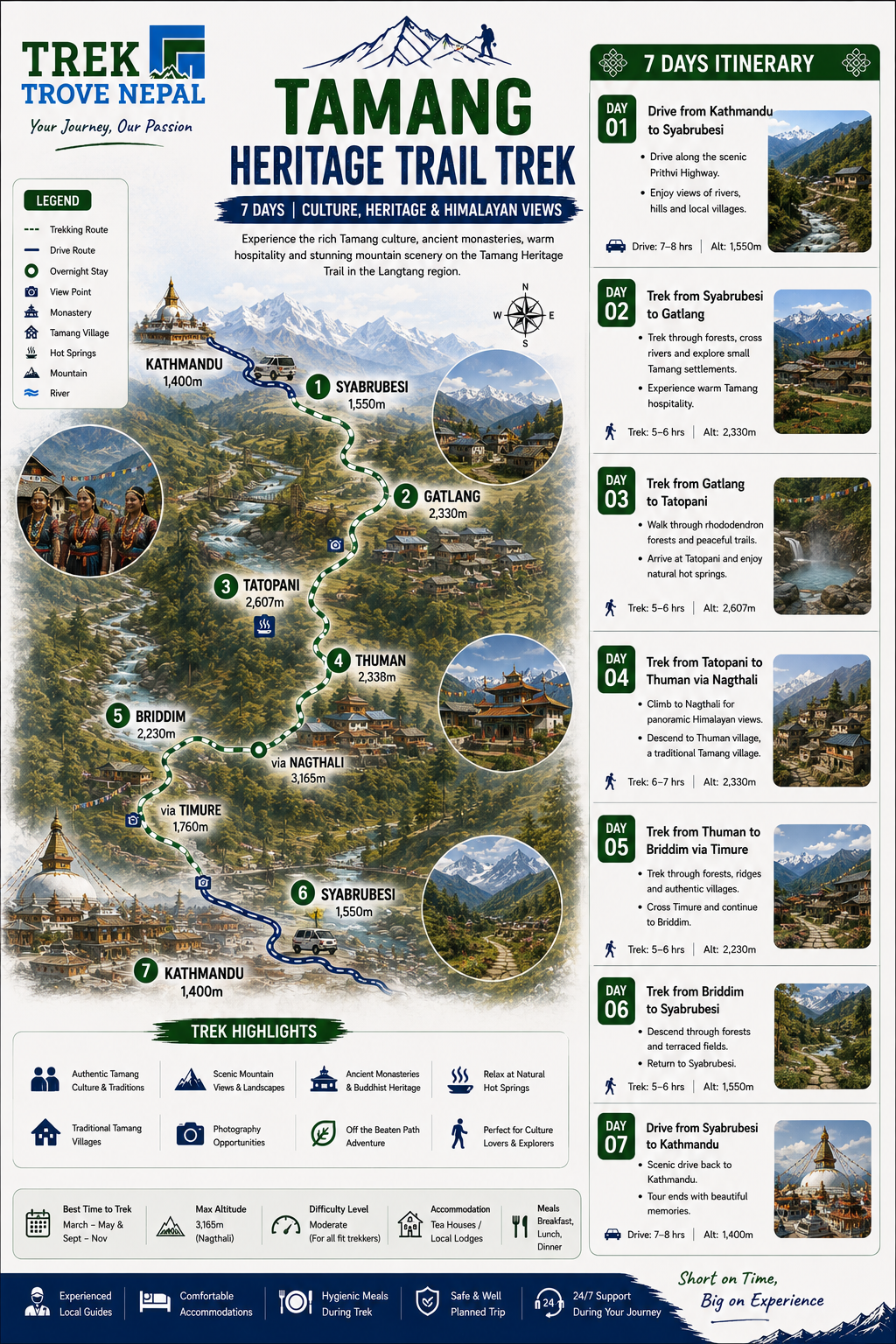
The Tamang Heritage Trail Trek is a 7-day route through the Tamang villages north of Kathmandu, in the same general area as the Langtang Valley Trek but following a separate trail. Instead of building toward a single high-altitude destination, this route moves through a series of Tamang settlements — Gatlang, Tatopani, Thuman, and Briddim — with a high point at Nagthali viewpoint, around 3,165 m.
Trek Trove Nepal runs this as a 7-day package at US$530 per person, including permits, guide, accommodation, and meals during the trek.
This page covers the actual daily itinerary, walking distances, altitude, what’s included in the US$530 price, and what the cultural experience along the route genuinely involves — not a general history of the Tamang people, but what you’ll see and do village by village.
Quick Facts about Tamang Heritage Trail Trek
| Detail | Information |
|---|---|
| Trip Name | Tamang Heritage Trek – 7 Days |
| Region | Langtang Region (Rasuwa district) |
| Duration | 7 Days |
| Price | US$530 per person |
| Trek Style | Tea house / homestay trek |
| Starting Point | Kathmandu (drive to Syabrubesi) |
| Ending Point | Syabrubesi (drive back to Kathmandu) |
| Maximum Altitude | Nagthali viewpoint, approx. 3,165 m |
| Difficulty | Moderate |
| Group Size | Private or small group (customizable) |
| Best Season | March–May, September–November |
| Permits Required | Langtang National Park entry permit, TIMS |
| Accommodation | Tea houses and village homestays |
| Meals | Breakfast, lunch, dinner during trek |
7-Day Tamang Heritage Trek
This itinerary starts with a road journey from Kathmandu to Syabrubesi, the same gateway town used for the Langtang Valley Trek, then branches onto the separate Tamang Heritage trail.
Over the following days you walk through a sequence of Tamang villages rather than following a single valley to one endpoint — each overnight stop is a different settlement with its own character, from Gatlang’s monastery and lake to Tatopani’s hot spring to Thuman and Briddim’s homestay culture.
The route tops out at Nagthali, around 3,165 m, which is high enough for wide mountain views but low enough that altitude sickness is a minor risk rather than a major planning concern.
Why Choose the Tamang Heritage Trail Trek
- A village-to-village cultural route, not a there-and-back to a viewpoint. Each day ends in a different Tamang settlement, so the trek is structured around communities rather than a single destination.
- Close to Kathmandu. Syabrubesi is reached by a single day’s drive from Kathmandu, so there’s no separate flight or multi-day approach before the trek starts.
- A working hot spring stop. Tatopani (the name means “hot water” in Nepali) has a natural hot spring pool used by trekkers and locals — a genuine rest point, not a manufactured attraction.
- Homestay nights, not only lodges. Several overnight stops, particularly Briddim, are set up around community-run homestays where you stay in a local house rather than a standalone trekking lodge.
- Moderate altitude with real mountain views. Nagthali’s roughly 3,165 m is high enough for panoramic views of Langtang Lirung, Ganesh Himal, and peaks toward the Tibetan border, without the acclimatization planning that higher routes need.
Why Book with Trek Trove Nepal
The Tamang Heritage trail crosses several village jurisdictions and includes homestay nights that need to be arranged directly with host families in advance — this isn’t a route where you can simply show up and expect a bed in high season.
Trek Trove Nepal arranges the Langtang National Park permit, TIMS registration, guide, and homestay/lodge bookings ahead of time, and coordinates the Kathmandu–Syabrubesi transport on both ends of the trip.
Tamang Cultural Experience
The villages on this route are active Tamang communities, not reconstructed cultural sites. What you can expect to see and take part in:
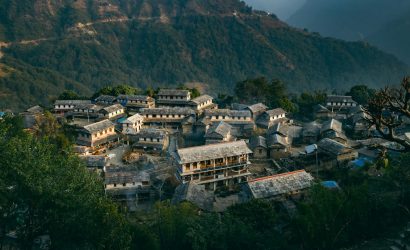
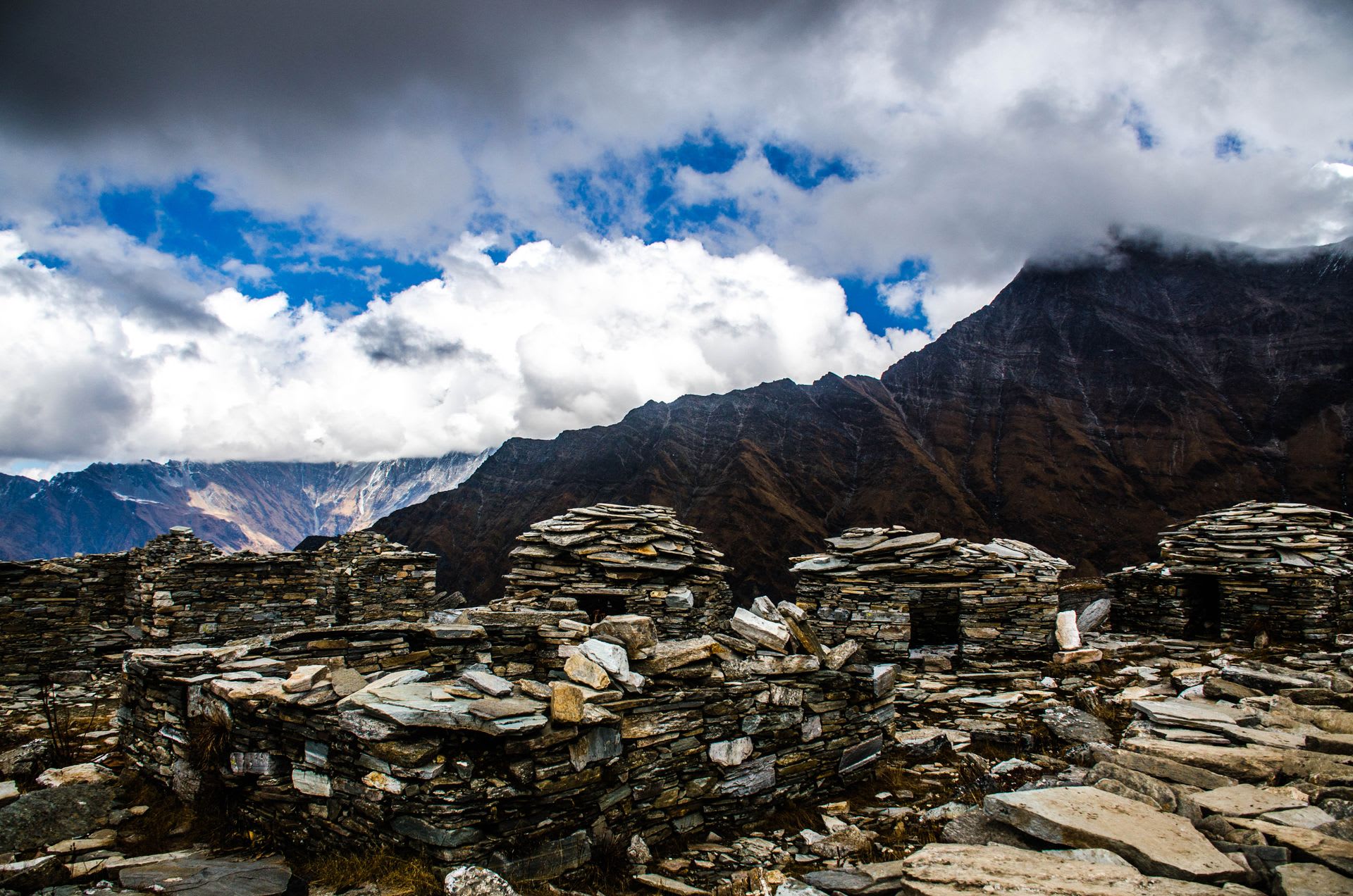
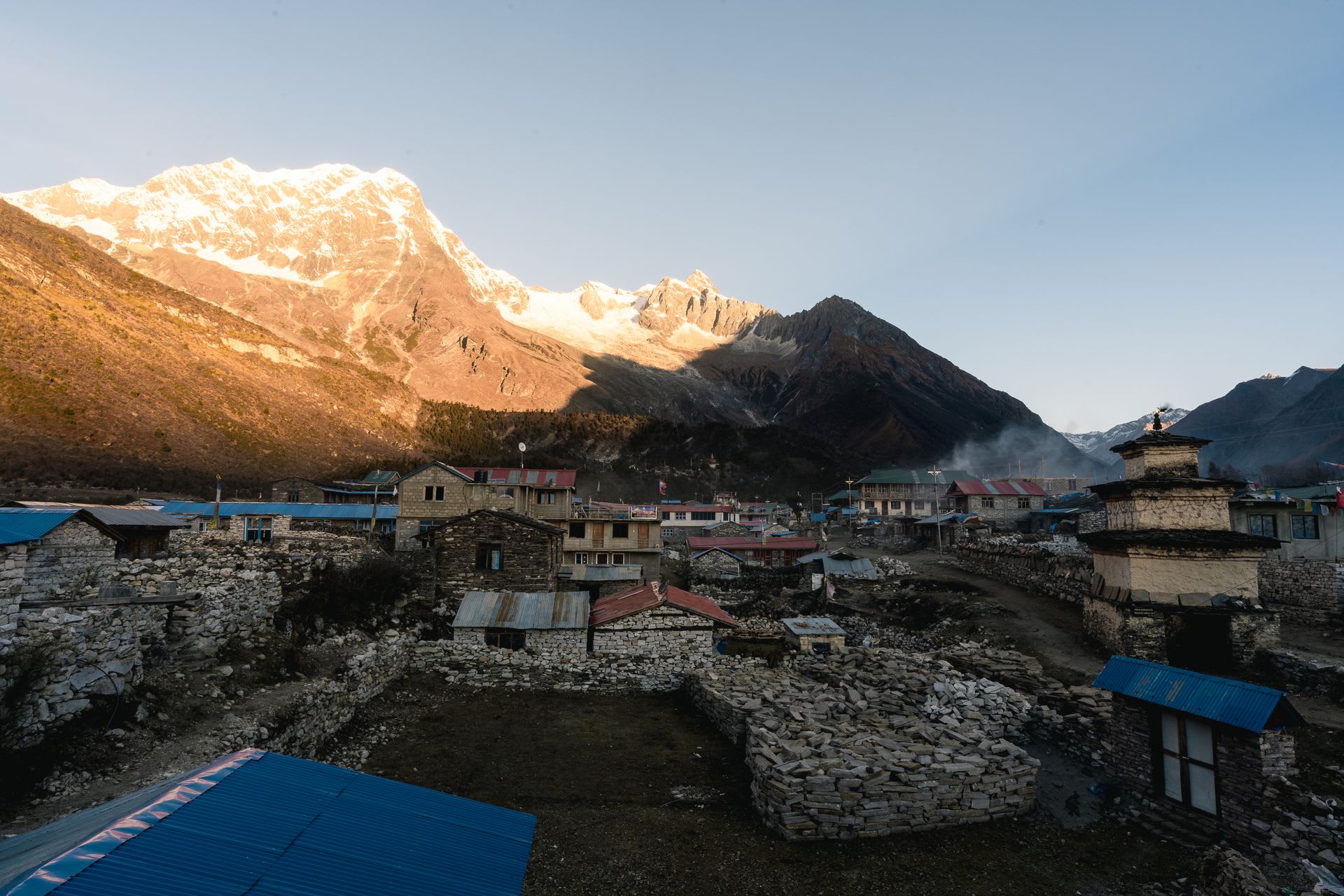
- Traditional stone and timber houses, particularly in Gatlang and Thuman, built in a style shared with Tibetan architecture on the other side of the border.
- Buddhist monasteries and gompas — Gatlang has an old monastery near the village center, and smaller shrines and prayer sites appear along the trail in several villages.
- Mani walls and chortens lining sections of the trail, which trekkers pass on the left-hand side by local custom.
- Homestays in Briddim, where a community-based tourism setup means you stay with a local family, eat meals prepared in their kitchen, and can ask directly about daily routines, farming, and household life.
- Parvatikunda Lake in Gatlang, considered a sacred site locally.
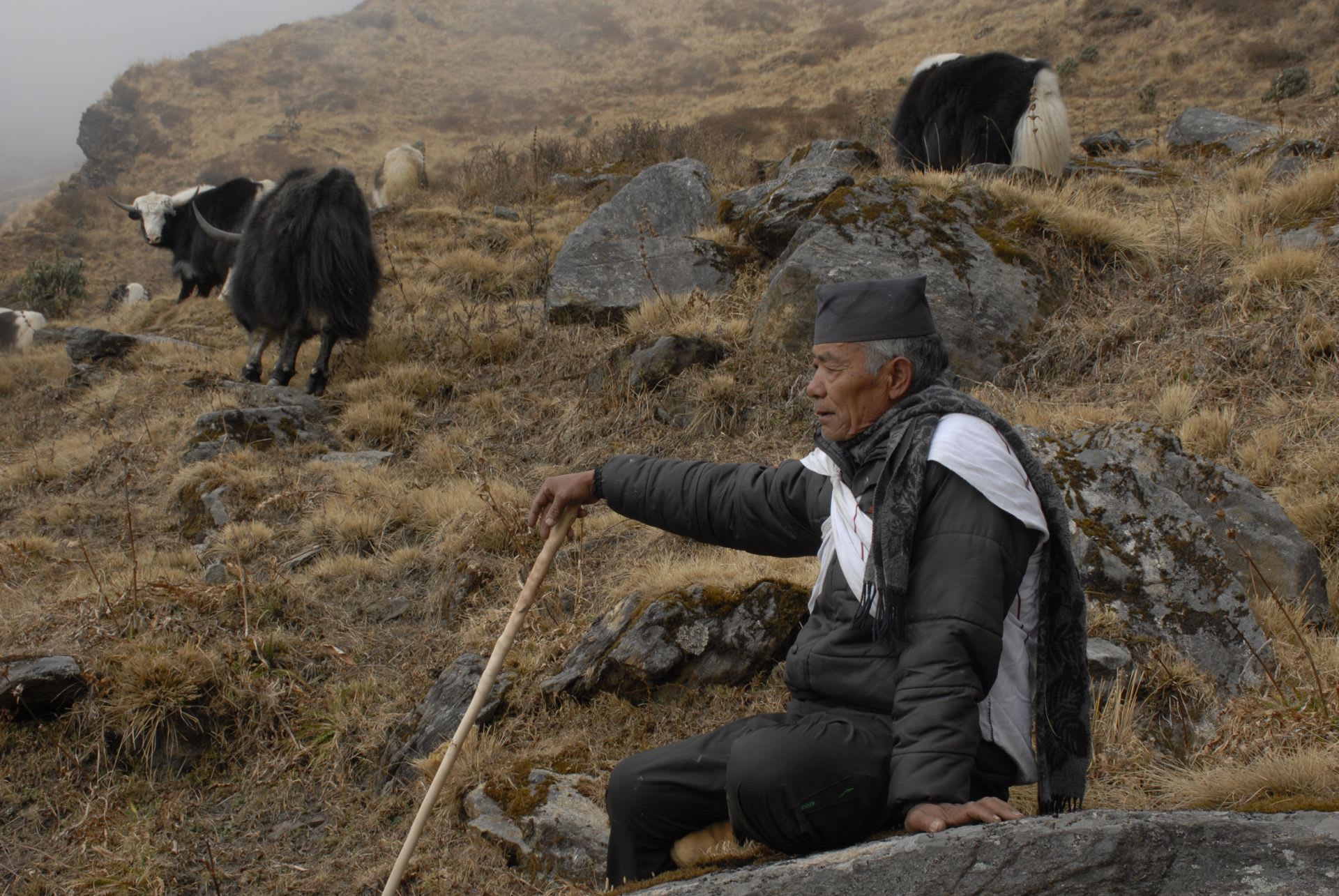
- Everyday village work — terraced farming, livestock handling, and household tasks visible as you walk through rather than staged for visitors.
This is a genuine, lived-in cultural landscape. Trek Trove Nepal doesn’t arrange staged performances or guaranteed festival viewings — what you experience depends on the time of year and what’s happening in each village when you pass through.
7-Day Tamang Heritage Trail Trek Itinerary Overview
Day 1: Kathmandu – Syabrubesi
Drive from Kathmandu to Syabrubesi (approx. 1,460–1,550 m), roughly 6 to 8 hours by road on the Pasang Lhamu Highway. Overnight in a lodge in Syabrubesi.
Day 2: Syabrubesi – Gatlang
Trek from Syabrubesi up through forest and terraced farmland to Gatlang (approx. 2,238 m), a Tamang village with an old monastery and Parvatikunda Lake nearby. Walking time is approximately 5 hours.
Day 3: Gatlang – Tatopani
Trek from Gatlang to Tatopani (approx. 2,607 m), passing smaller Tamang settlements along the way. Tatopani is known for its natural hot spring. Walking time is approximately 5 to 6 hours.
Day 4: Tatopani – Nagthali – Thuman
Ascend from Tatopani to Nagthali viewpoint (approx. 3,165 m), the highest point of the trek, with views toward Langtang Lirung, Ganesh Himal, and peaks near the Tibetan border. Descend to Thuman (approx. 2,338 m) for the overnight stop. Walking time is approximately 6 to 7 hours.
Day 5: Thuman – Briddim
Trek from Thuman to Briddim (approx. 2,229–2,320 m) via Timure, a village with a history as a trading route toward Tibet. Overnight homestay in Briddim, a Tibetan-Buddhist-influenced Tamang village. Walking time is approximately 5 to 6 hours.
Day 6: Briddim – Syabrubesi
Descend from Briddim back to Syabrubesi. Walking time is approximately 4 hours. Overnight in a lodge in Syabrubesi.
Day 7: Syabrubesi – Kathmandu
Drive back from Syabrubesi to Kathmandu, roughly 6 to 8 hours by road, ending the trip.
Route Overview
Kathmandu → (drive) → Syabrubesi → Gatlang → Tatopani → Nagthali → Thuman → Briddim → Syabrubesi → (drive) → Kathmandu
Daily Walking Distance & Hours
| Day | Route | Walking Time | Approx. Elevation |
|---|---|---|---|
| 1 | Kathmandu → Syabrubesi (drive) | — | ~1,460–1,550 m |
| 2 | Syabrubesi → Gatlang | ~5 hrs | 1,460 m → 2,238 m |
| 3 | Gatlang → Tatopani | ~5–6 hrs | 2,238 m → 2,607 m |
| 4 | Tatopani → Nagthali → Thuman | ~6–7 hrs | 2,607 m → 3,165 m → 2,338 m |
| 5 | Thuman → Briddim (via Timure) | ~5–6 hrs | 2,338 m → ~2,229–2,320 m |
| 6 | Briddim → Syabrubesi | ~4 hrs | ~2,275 m → 1,460 m |
| 7 | Syabrubesi → Kathmandu (drive) | — | 1,460 m → 1,400 m |
Altitude Profile
| Location | Approximate Altitude |
|---|---|
| Kathmandu | 1,400 m |
| Syabrubesi | 1,460–1,550 m |
| Gatlang | 2,238 m |
| Tatopani | 2,607 m |
| Nagthali (highest point) | 3,165 m |
| Thuman | 2,338 m |
| Briddim | 2,229–2,320 m |
Tamang Villages Along the Route
- Gatlang — a large Tamang settlement built on a hillside among terraced fields, with an old monastery and Parvatikunda Lake close by.
- Tatopani — a smaller stop centered on its natural hot spring pool, used by both trekkers and locals for bathing.
- Thuman — a village with visible Tibetan cultural influence in its architecture and daily life, sitting below the Nagthali ridge.
- Briddim — set up specifically for community-based tourism, with homestays run by local Tamang and Tibetan Buddhist families; this is typically the most immersive overnight of the trek.
Traditional Architecture and Local Life
Houses in Gatlang and Thuman are commonly built from stone and timber, a style shared with communities across the Tibetan plateau given the region’s historical trade and cultural links north across the border. Villages are built around farming — terraced fields for crops like potatoes, barley, and buckwheat, with livestock kept close to the houses.
Walking through in the morning or late afternoon, when farming and household work is underway, gives a more accurate sense of daily Tamang life than passing through mid-day when villages can be quieter.
Buddhist Heritage and Cultural Sites
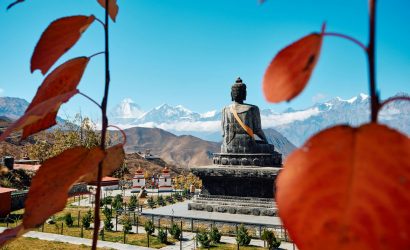
Tamang communities in this region practice Tibetan Buddhism, visible along the trail through mani walls, chortens, and prayer flags. Gatlang’s monastery and Parvatikunda Lake are notable stops. Nagthali itself has historically been used as a meditation site.
Trekkers are asked to pass mani walls and chortens keeping them on their left, following local custom, and to ask before photographing people or entering religious buildings.
Hot Spring Experience
Tatopani’s hot spring is a natural feature, not a built spa facility — a pool fed by naturally heated spring water, used by both villagers and trekkers. It’s a practical rest stop roughly midway through the trek, useful after two days of steady ascent.
Mountain Views and Landscapes
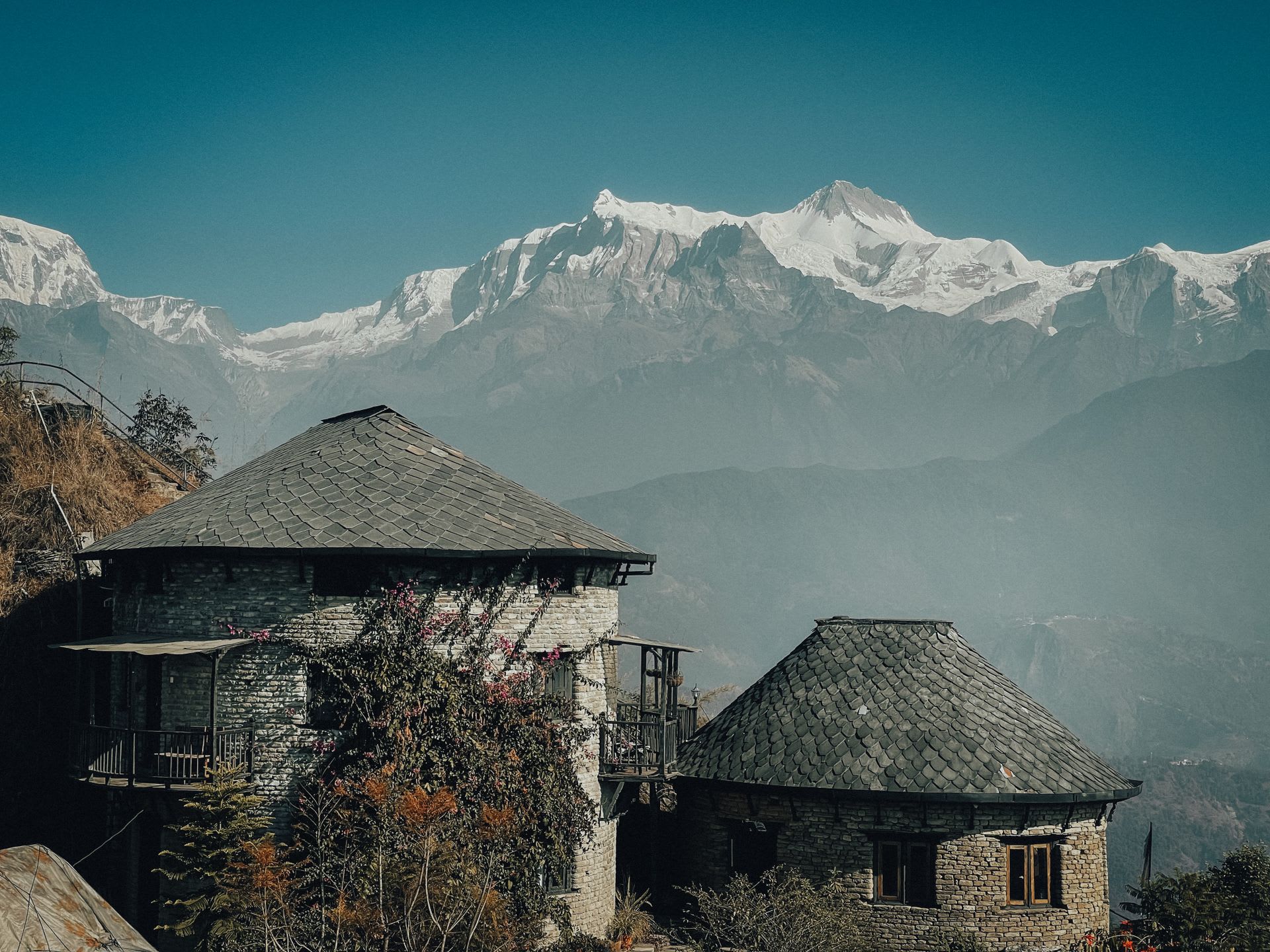
From Nagthali, the highest point of the trek, clear-day views extend to Langtang Lirung, Ganesh Himal, and peaks toward the Tibetan border. Lower sections of the route pass through pine forest, rhododendron stands at mid-elevation, and terraced farmland.
As with any Himalayan trekking route, mountain visibility depends on weather and season — cloud cover can obscure the view on any given day, and no departure date can guarantee clear conditions.
Trek Difficulty
The Tamang Heritage Trek is rated moderate. Daily walking runs 4 to 7 hours on hill trails with sustained uphill and downhill sections, particularly on Day 4 crossing Nagthali.
The trail is not technical, but it does involve uneven ground, stone steps in places, and consistent elevation gain and loss across the week. This is a step up in physical demand from a short 2–3 day trek, though still accessible to most reasonably fit travelers.
Fitness Requirements
A moderate level of fitness is recommended — being comfortable walking 5 to 7 hours a day on hilly terrain over multiple consecutive days. Prior trekking experience is helpful but not required.
Altitude & Acclimatization
At approximately 3,165 m, Nagthali is high enough that some trekkers may notice mild effects of altitude, though this is well below the range where altitude sickness is a serious concern.
The itinerary’s overnight altitudes rise gradually across the week, and the guide monitors the group for any signs of discomfort. Trekkers with pre-existing respiratory or cardiovascular conditions should consult a doctor before booking.
Best Time to do Tamang Heritage Trek
Season Comparison
| Season | Months | Conditions |
|---|---|---|
| Spring | March – May | Warm days, cooler nights at altitude, rhododendron in bloom at mid-elevation, generally good visibility |
| Summer/Monsoon | June – August | Frequent rain, slippery trail sections, cloud cover regularly blocks mountain views |
| Autumn | September – November | Most reliable season for stable weather and clear mountain visibility |
| Winter | December – February | Cold, especially at Nagthali and Thuman; generally clear days but freezing nights |
Weather Overview
Temperatures vary significantly across the week given the altitude range from Syabrubesi (~1,460 m) up to Nagthali (~3,165 m). Days are generally mild in spring and autumn; nights at Thuman, Tatopani, and especially Nagthali get noticeably cold even outside winter.
Monsoon season brings regular rain and reduces mountain visibility for extended periods. Winter is cold overnight but often clear during the day.
Transportation from Kathmandu
The trek begins and ends with a road journey between Kathmandu and Syabrubesi, roughly 6 to 8 hours each way depending on road conditions. This is arranged as part of the package. There is no flight option for this route — Syabrubesi is reached by road only.
Accommodation
| Night | Location | Accommodation Type |
|---|---|---|
| Night 1 | Syabrubesi | Lodge, twin-share |
| Night 2 | Gatlang | Tea house / homestay |
| Night 3 | Tatopani | Tea house |
| Night 4 | Thuman | Tea house |
| Night 5 | Briddim | Community homestay |
| Night 6 | Syabrubesi | Lodge, twin-share |
Meals & Drinking Water
Breakfast, lunch, and dinner are included during the trek days, prepared at the lodges or homestays you stay in. Menus include Nepali dal bhat, noodle and rice dishes, soups, and simple Western options where available; homestay meals in Briddim reflect what the host family is cooking that day.
Bottled and boiled water are available for purchase along the route; a reusable bottle with purification tablets or a filter is a practical, lower-cost option, especially over a 7-day trek.
Permits / Entry Requirements / Fees
Two documents are required for this trek:
- Langtang National Park entry permit — required since the route passes through the park.
- TIMS Card (Trekkers’ Information Management System) — a standard trekking registration document for this region.
Trek Trove Nepal arranges both as part of the package. You’ll need your passport details and passport-sized photos in advance.
Packing Checklist
| Category | Items |
|---|---|
| Clothing | Base layers, warm fleece or down layer, waterproof/windproof jacket, trekking trousers, warm hat, gloves |
| Footwear | Broken-in hiking boots, warm socks, sandals for evenings |
| Gear | Daypack, trekking poles, headlamp with spare batteries, reusable water bottle, sleeping bag liner (useful for homestay nights) |
| Health | Personal first aid kit, sunscreen, sunglasses, any personal medication |
| Documents | Passport, passport photos, travel insurance details |
| Extras | Power bank, cash in Nepali rupees, basic toiletries, small gift or notebook if you want to engage with homestay hosts |
Cost Breakdown
The US$530 per-person price covers a 7-day itinerary with permits, guide, transport, accommodation, and meals during the trek.
| Cost Component | Covered |
|---|---|
| Langtang National Park permit + TIMS | Yes |
| Guide (English-speaking) | Yes |
| Ground transport Kathmandu–Syabrubesi (return) | Yes |
| Accommodation (6 nights: lodges + homestays) | Yes |
| Meals during trek (B, L, D) | Yes |
| Porter | Available on request, additional cost |
Optional Services
- Porter service for luggage
- Extra nights in Kathmandu before or after the trek
- Airport transfers in Kathmandu
- Combination with the Langtang Valley Trek or Gosaikunda for a longer itinerary
Responsible and Respectful Cultural Tourism
Homestays in villages like Briddim depend on visitor income supporting individual families directly, so Trek Trove Nepal asks trekkers to respect house rules, ask before photographing people, and pass religious structures — mani walls, chortens, monasteries — on the left, following local custom.
Waste should be carried out where village bins aren’t available, and purchasing food, tea, or handicrafts locally supports the village economy directly.
Practical Travel Tips
- Bring more cash than you think you’ll need — there are no ATMs along the trail once you leave Syabrubesi.
- Nights at Thuman, Tatopani, and especially Nagthali get cold even outside winter — pack accordingly.
- Confirm your departure date a few days ahead so permits can be processed.
- If you want to bathe at Tatopani, bring a small towel and swimwear or shorts.
- Build in a buffer day in Kathmandu before or after the trek in case of road delays on the Syabrubesi route.
Book the Tamang Heritage Trail Trek – 7 Days
If you want a week-long trek that’s built around Tamang village culture rather than a single mountain destination, this route covers genuine homestay experiences, a working hot spring, and real Himalayan views without the logistics of a longer high-altitude trek.
Contact Trek Trove Nepal to check availability, confirm departure dates, and discuss any adjustments for your group size or travel plans .
Tamang Heritage Trek Highlights
- Four distinct Tamang villages, not one destination. Gatlang, Tatopani, Thuman, and Briddim each have their own character — this route is built around a sequence of communities rather than a single valley walk to one endpoint.
- A genuine homestay night in Briddim — set up through community-based tourism, where you sleep in a section of a local family's house, eat what they're cooking that day, and can ask directly about daily life rather than getting a scripted cultural presentation.
- Tatopani's natural hot spring — a real spring-fed pool used by villagers as well as trekkers, not a built spa facility, and a practical rest point roughly midway through the week.
- Nagthali at 3,165 m — the trek's high point and a former meditation site, with clear-day views toward Langtang Lirung, Ganesh Himal, and peaks near the Tibetan border, reached without the altitude planning a higher route would require.
- Parvatikunda Lake and an old monastery in Gatlang — a specific, visitable cultural site rather than a general mention of "Buddhist heritage."
- Trail-side mani walls, chortens, and prayer flags throughout the route, reflecting active Tamang Buddhist practice rather than staged decoration.
- Single road access from Kathmandu — no flight, no multi-day approach; one drive to Syabrubesi starts the trek and the same road brings you back.
- A shorter alternative to the Langtang Valley Trek using the same gateway town — useful if you want a culturally-focused week without the higher elevations of the standard Langtang route.