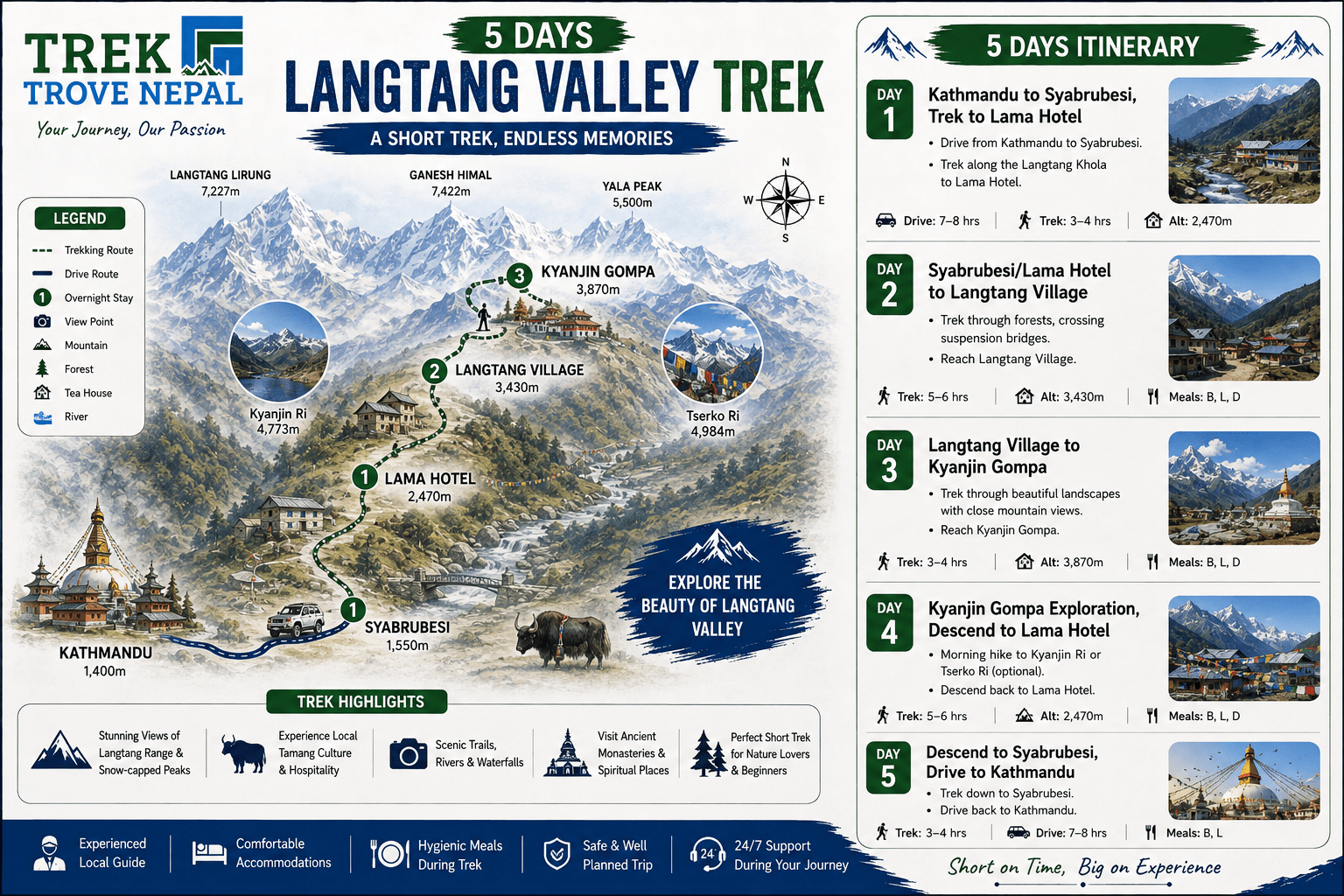

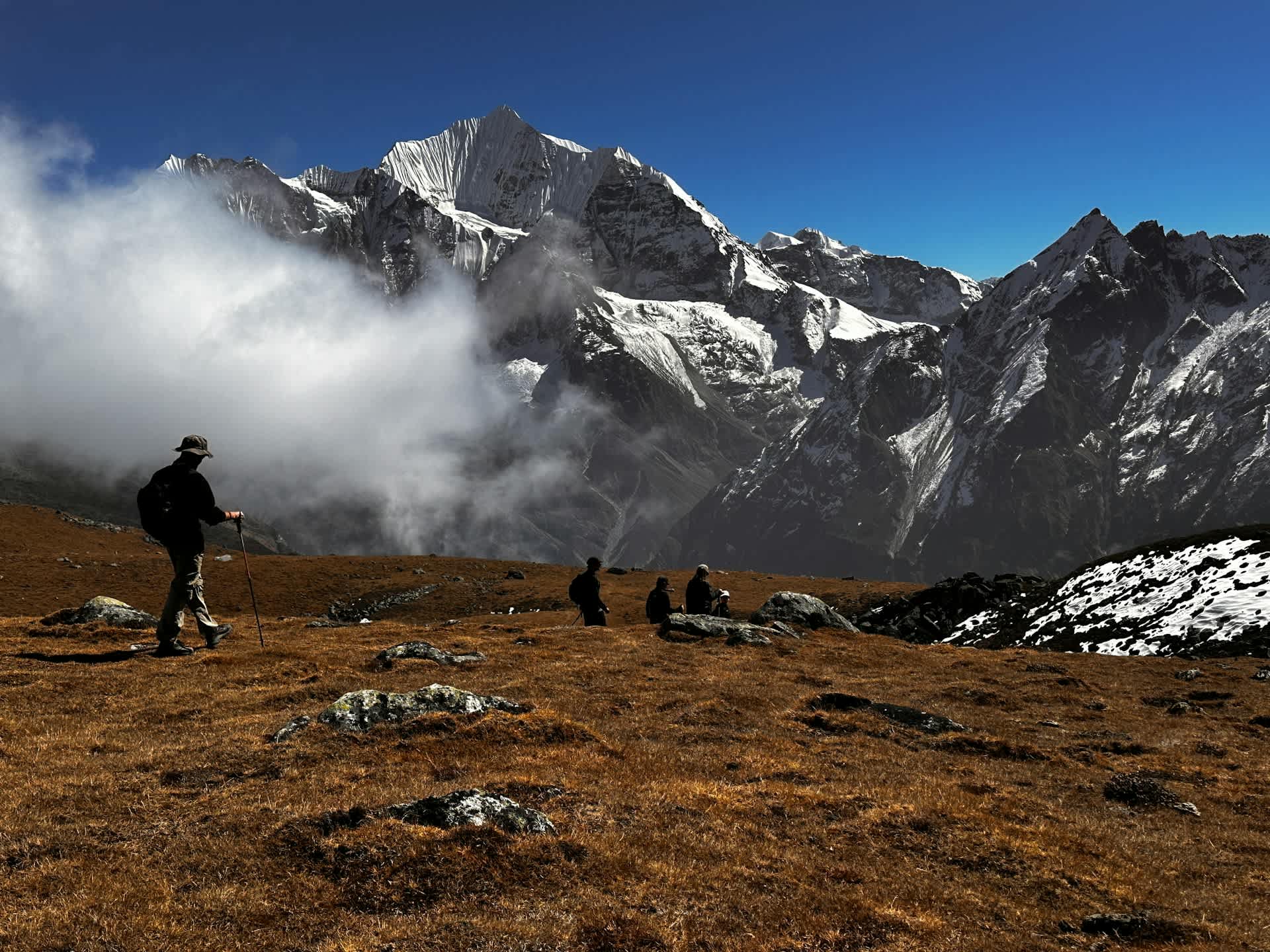
The 5 days Langtang Valley Trek is the closest major trekking route to Kathmandu, with the trailhead at Syabrubesi roughly 7–8 hours away by road. This 5-day package from Trek Trove Nepal is priced at US$300 per person and covers the full return journey from Kathmandu, through Langtang National Park to Kyanjin Gompa and back.
Because this itinerary includes the Kathmandu–Syabrubesi road transfer within the 5-day total, the trekking pace is faster than longer 7–8 day Langtang packages that treat road travel as separate from trekking days. This version suits travelers who want to reach Kyanjin Gompa and see Langtang Lirung up close without committing a full week, but it requires a fitter pace and less built-in rest than the standard longer itinerary. Trek Trove Nepal is direct about this trade-off below so you can decide if the pace fits your fitness level and travel dates.
Quick Facts Table
| Detail | Information |
|---|---|
| Trek Name | Langtang Valley Trek |
| Duration | 5 Days / 4 Nights |
| Price | US$300 per person |
| Starting/Ending Point | Kathmandu (via Syabrubesi) |
| Highest Point | Kyanjin Ri viewpoint area, approx. 3,870 m (Kyanjin Gompa itself) |
| Region | Langtang National Park |
| Trek Type | Tea-house trek, no camping required |
| Difficulty | Challenging for a 5-day schedule – long walking days, fast altitude gain |
| Average Walking Hours | 6–8 hours per day |
| Group Size | Private or small group (customizable) |
| Best Season | March–May and September–November |
| Permits Required | Langtang National Park entry permit, TIMS card |
5-Day Langtang Valley Trek Overview
This package starts with a long road day from Kathmandu to Syabrubesi, followed by three trekking days that move through Lama Hotel and Langtang Village to Kyanjin Gompa, with the final day covering the descent back to Syabrubesi and the drive to Kathmandu. Because the standard Langtang Valley trek is more commonly run over 7–8 days, this 5-day version compresses the walking schedule considerably — most notably on Day 3, which combines Langtang Village and the push to Kyanjin Gompa in a single day.
This pace works for trekkers in good physical condition who are comfortable with consecutive long walking days and limited acclimatization buffer. It is a genuinely tighter schedule than the standard route, and Trek Trove Nepal recommends the longer 7–8 day itinerary for trekkers who prefer a more gradual ascent or want proper time to explore Kyanjin Gompa and the Kyanjin Ri viewpoint.
Why Choose the 5-Day Langtang Valley Trek
- Reaches Kyanjin Gompa without a full week away — for travelers with limited vacation time who still want to see Langtang Lirung and the upper valley.
- Closest major trekking region to Kathmandu — no domestic flight required, unlike Everest region treks.
- Fixed departure and return through Syabrubesi, with road transport handled as part of the package.
- Tea-house accommodation throughout, with no camping equipment needed.
- Lower cost than most comparable 5-day packages in other regions, reflecting Langtang’s proximity to Kathmandu and shorter road transfer.
Why Book with Trek Trove Nepal
Trek Trove Nepal arranges the Langtang National Park entry permit, TIMS card, guide assignment, and all tea-house bookings directly, which matters on a compressed 5-day schedule where there is little room for logistics delays. The itinerary below reflects an honest, fast-paced version of the route — Trek Trove Nepal does not present this as a leisurely trek, and will discuss extending to the standard 7–8 day itinerary with any traveler who wants a more comfortable pace.
5 Days Langtang Valley Trek Itinerary Overview
Day 1: Kathmandu to Syabrubesi, Trek to Lama Hotel
Long road transfer from Kathmandu to Syabrubesi (approximately 7–8 hours, road conditions dependent). On arrival, a short trekking start toward Lama Hotel if daylight and group pace allow, or an overnight in Syabrubesi if the drive runs long.
Day 2: Syabrubesi/Lama Hotel to Langtang Village
A steady uphill trekking day through forested trail, gaining altitude toward Langtang Village. This is one of the longer walking days on this compressed schedule.
Day 3: Langtang Village to Kyanjin Gompa
Continue up-valley from Langtang Village to Kyanjin Gompa. On the standard 7–8 day itinerary this is normally split into two separate days; on this 5-day version it is combined into one longer walking day to keep the overall schedule to 5 days.
Day 4: Kyanjin Gompa Exploration, Descend to Lama Hotel
A shorter morning around Kyanjin Gompa — monastery visit and, if time and weather allow, a partial walk toward the Kyanjin Ri viewpoint area — followed by a long descent back down the valley toward Lama Hotel.
Day 5: Descend to Syabrubesi, Drive to Kathmandu
Final descent to Syabrubesi, followed by the road transfer back to Kathmandu (approximately 7–8 hours).
Route Overview
| Day | Route | Approx. Walking Time |
|---|---|---|
| 1 | Kathmandu → Syabrubesi → Lama Hotel (partial) | Drive 7–8 hrs + short trek |
| 2 | Lama Hotel → Langtang Village | 6–7 hrs |
| 3 | Langtang Village → Kyanjin Gompa | 6–7 hrs |
| 4 | Kyanjin Gompa → Lama Hotel | 7–8 hrs |
| 5 | Lama Hotel → Syabrubesi → Kathmandu | Trek 3–4 hrs + drive 7–8 hrs |
Daily Walking Distance & Hours Table
| Day | Walking Hours | Terrain |
|---|---|---|
| 1 | 1–2 hrs (after long drive) | River valley trail, gentle start |
| 2 | 6–7 hrs | Forest trail, steady ascent |
| 3 | 6–7 hrs | Open valley trail, continued ascent |
| 4 | 7–8 hrs | Monastery area, then long descent |
| 5 | 3–4 hrs | Forest descent to Syabrubesi |
Altitude Profile Table
| Location | Altitude |
|---|---|
| Kathmandu | 1,400 m |
| Syabrubesi | 1,550 m |
| Lama Hotel | 2,470 m |
| Langtang Village | 3,430 m |
| Kyanjin Gompa | 3,870 m |
Kyanjin Gompa Experience
Kyanjin Gompa is reached on Day 3 of this itinerary and is the highest overnight point on the trek. Time here is limited on this compressed schedule — a morning at the monastery and, weather and time permitting, a partial walk toward the Kyanjin Ri viewpoint before starting the descent the same day. Trekkers wanting a full day at Kyanjin Gompa, including the complete Kyanjin Ri climb or a visit to the Langtang Glacier viewpoint, should ask Trek Trove Nepal about the longer 7–8 day version of this trek, which builds in a dedicated day at this stage of the route.
Mountain Views and Landscapes
Langtang Lirung (7,227 m) dominates the upper valley view from Kyanjin Gompa and the trail approaching it. Other peaks visible at points along the route include Langtang Himal’s surrounding ridgeline and, from certain vantage points, Dorje Lakpa. As with any Himalayan trek, cloud cover — particularly common in the afternoons — can limit visibility, and this compressed itinerary leaves less flexibility to wait out poor conditions than a longer schedule would.
Trek Difficulty
This is a genuinely demanding 5-day schedule. Days 3 and 4 in particular involve 6–8 hours of walking on consecutive days at increasing altitude, with limited rest built in. Trekkers with prior trekking experience or strong general fitness will manage this pace more comfortably than complete beginners. This itinerary is honestly more physically demanding than the standard 7–8 day Langtang Valley Trek, precisely because it fits the same distance into fewer days.
Fitness Requirements
A solid level of cardiovascular fitness is important for this specific 5-day version, more so than for the standard longer itinerary. Trekkers should be comfortable with multiple consecutive days of 6+ hours of uphill or downhill walking. Some prior hiking or trekking experience is an advantage given the pace, though not strictly required for trekkers who train specifically in the weeks before departure.
Altitude & Acclimatization
Kyanjin Gompa sits at 3,870 meters, and this 5-day itinerary reaches that altitude faster than the standard longer Langtang itinerary, which typically includes more gradual daily altitude gain. There is no dedicated acclimatization day built into this 5-day schedule. Trekkers should stay well hydrated, avoid alcohol during the ascent days, and report any symptoms of headache, nausea, or unusual fatigue to the guide immediately.
Given the pace of this itinerary, trekkers with any concern about altitude tolerance should discuss the longer 7–8 day version with Trek Trove Nepal before booking, or consult a doctor beforehand.
Best Time to Trek
October to November offers the clearest post-monsoon skies and the most reliable views of Langtang Lirung. March to April brings rhododendron blooms on the lower forested sections with generally good visibility.
December to February is cold, with snow likely at Kyanjin Gompa and possible trail difficulty at that altitude. June to September (monsoon) brings frequent rain, leeches on the lower forest trail, and reduced visibility throughout.
Season Comparison Table
| Season | Months | Trail Conditions | Mountain Visibility |
|---|---|---|---|
| Autumn | Sep–Nov | Clear, dry, busiest season | Excellent |
| Winter | Dec–Feb | Cold, snow likely at Kyanjin Gompa | Good, but cold |
| Spring | Mar–May | Mild, rhododendron bloom lower down | Good, some afternoon cloud |
| Monsoon | Jun–Aug | Wet, slippery, leeches on lower trail | Poor, frequent cloud |
Weather Overview
Temperatures drop steadily above Lama Hotel, and Kyanjin Gompa is cold overnight in every season, with sub-zero nights common outside the peak autumn and spring windows. Given the fast pace of this itinerary, trekkers have less flexibility to delay a day for weather than on longer packages, so realistic expectations about visibility at Kyanjin Gompa matter going in.
Transportation from Kathmandu
- Private or shared jeep transfer between Kathmandu and Syabrubesi (approximately 7–8 hours each way, depending on road conditions), included on Day 1 and Day 5.
- All movement on the trek itself is on foot — there is no vehicle access beyond Syabrubesi on this route.
- No domestic flights are required for this itinerary.
Accommodation
| Location | Nights | Accommodation Type |
|---|---|---|
| Lama Hotel | 1 | Tea-house lodge |
| Langtang Village | 1 | Tea-house lodge |
| Kyanjin Gompa | 1 | Tea-house lodge |
| Lama Hotel (return) | 1 | Tea-house lodge |
Tea-house accommodation on this route is generally comfortable at the lower stops (Lama Hotel), with private twin rooms and shared bathroom facilities standard. Rooms at Langtang Village and Kyanjin Gompa are simpler, reflecting their higher, more remote locations, with unheated rooms and shared bathrooms the norm.
Meals & Drinking Water
Breakfast, lunch, and dinner are included throughout the trek. Menu options are more varied at the lower lodges and narrower at Kyanjin Gompa, where typical offerings include dal bhat, noodle dishes, soups, and basic breakfast items. Bottled and boiled water are available for purchase at each lodge; carrying a personal water bottle with a filter or purification tablets is a practical way to manage water costs and reduce plastic waste at altitude.
Permits & Entry Requirements
This trek requires a Langtang National Park entry permit and a TIMS card, both checked along the route. Trek Trove Nepal arranges both as part of the package, using passport details provided at the time of booking.
Packing Checklist Table
| Category | Items |
|---|---|
| Clothing | Layered clothing, insulated jacket, waterproof shell |
| Footwear | Broken-in hiking boots, warm trekking socks |
| Health | Personal medication, blister plasters, sunscreen |
| Accessories | Trekking poles, headlamp, warm hat and gloves, sunglasses |
| Documents | Passport copies, permit photos, travel insurance details |
| Extras | Reusable water bottle, small daypack, power bank |
Cost Breakdown
The US$300 per-person price covers the core logistics of this specific 5-day itinerary — road transport between Kathmandu and Syabrubesi, tea-house accommodation, meals during the trek, permits, and a guide. Final pricing can vary slightly with group size and season, and Trek Trove Nepal confirms an exact figure once travel dates and group size are known.
| Item | Covered in US$300 |
|---|---|
| Kathmandu–Syabrubesi–Kathmandu transport | Yes |
| Accommodation (4 nights, tea-house) | Yes |
| Meals during the trek | Yes |
| Langtang National Park permit and TIMS card | Yes |
| Guide | Yes |
| Porter | Not included (optional add-on) |
| Travel insurance | Not included |
Optional Services
- Porter service for trekkers who prefer not to carry a full pack
- Extension to the standard 7–8 day itinerary for a more gradual pace and a full day at Kyanjin Gompa
- Private vehicle upgrade for the Kathmandu–Syabrubesi transfer
- Extra night in Kathmandu before or after the trek
Responsible Trekking
Trek Trove Nepal asks trekkers to stay on marked trails within Langtang National Park, respect monastery etiquette at Kyanjin Gompa, and be mindful of the pace of local rebuilding in Langtang Village, which was significantly affected by the 2015 earthquake and continues to depend heavily on trekking tourism.
Practical Travel Tips
- Confirm with Trek Trove Nepal in advance if you’d prefer the longer 7–8 day itinerary instead — this 5-day version genuinely suits fitter, more experienced trekkers.
- Carry small cash in Nepali rupees, as lodges above Lama Hotel do not reliably accept cards.
- Pack for below-freezing overnight temperatures at Kyanjin Gompa in every season.
- Trekking poles are useful on the long Day 4 descent.
- Build in a spare day around your travel dates in case road conditions delay the Kathmandu–Syabrubesi transfer.
Ready to Book the Langtang Valley Trek?
If you’re considering the Langtang Valley Trek, Trek Trove Nepal can arrange this 5-day package for US$300 per person — transport, permits, tea-house accommodation, and guide included.
Contact Trek Trove Nepal to check current availability, confirm departure dates, or ask about the longer 7–8 day itinerary if you’d prefer a more gradual pace.
-
Drive, Flight
-
Lodge, Hotel
-
3,870 meters
-
Kathmandu
-
Sping, Autumn
-
BLD
-
Easy to Moderate
-
12
-
65
Langtang Valley Trek Highlights
- Reach Kyanjin Gompa without a full week away — this 5-day version compresses the standard 7–8 day route so you still get to the head of the valley, with the trade-off of a faster daily pace.
- Closest major trekking region to Kathmandu — the entire trip runs by road, with no domestic flight needed to reach the trailhead at Syabrubesi.
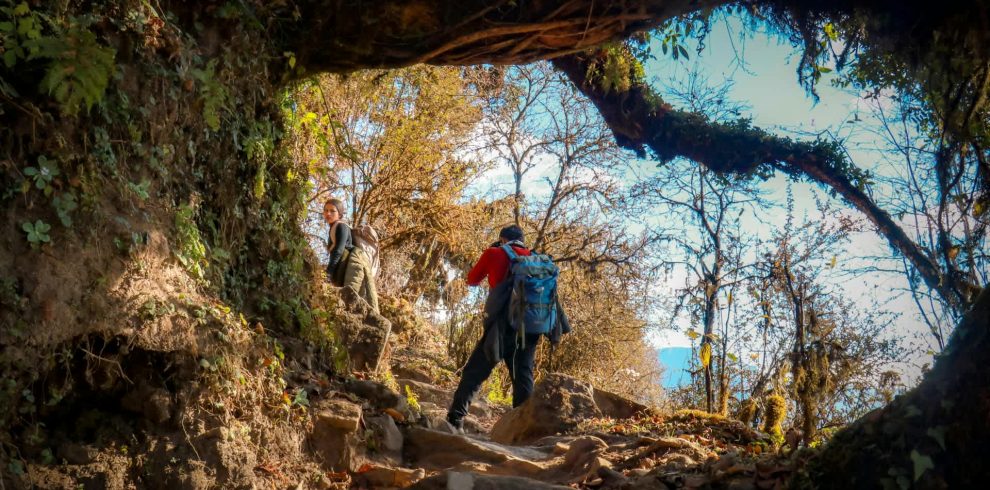
- Walk through genuine forest-to-alpine terrain — bamboo and rhododendron cover near Syabrubesi and Lama Hotel gives way to open valley trail by the time you reach Langtang Village.
- Pass through Langtang Village, rebuilt after the 2015 earthquake and central to the region's Tamang community — not just a waypoint, but a place with a visible, recent history.
- See mani walls, chortens, and prayer flags along the trail, reflecting Tamang Buddhist heritage rather than a route built solely for trekking traffic.
- Overnight at Kyanjin Gompa (3,870 m), a monastery settlement at the head of the valley with close views of Langtang Lirung when the weather cooperates.
- Covers Kyanjin Ri and the upper valley on a limited timeframe — this schedule allows a partial push toward the viewpoint rather than a full day there, an honest trade-off of the compressed itinerary.
- No dedicated acclimatization day — altitude gain is faster than the standard route, which is why Trek Trove Nepal flags this pace as better suited to fitter, more experienced trekkers.
- Tea-house accommodation the entire way, with no camping gear required, though rooms simplify noticeably above Lama Hotel.
- Priced at US$300, reflecting Langtang's shorter road distance from Kathmandu compared to other trekking regions.