
-
Bus, Flight
-
Hotel
-
5,416 metres
-
Kathmandu
-
Spring, Autumn
-
BLD
-
12
-
65
4 days Ghorepani Poon Hill Trek Overview
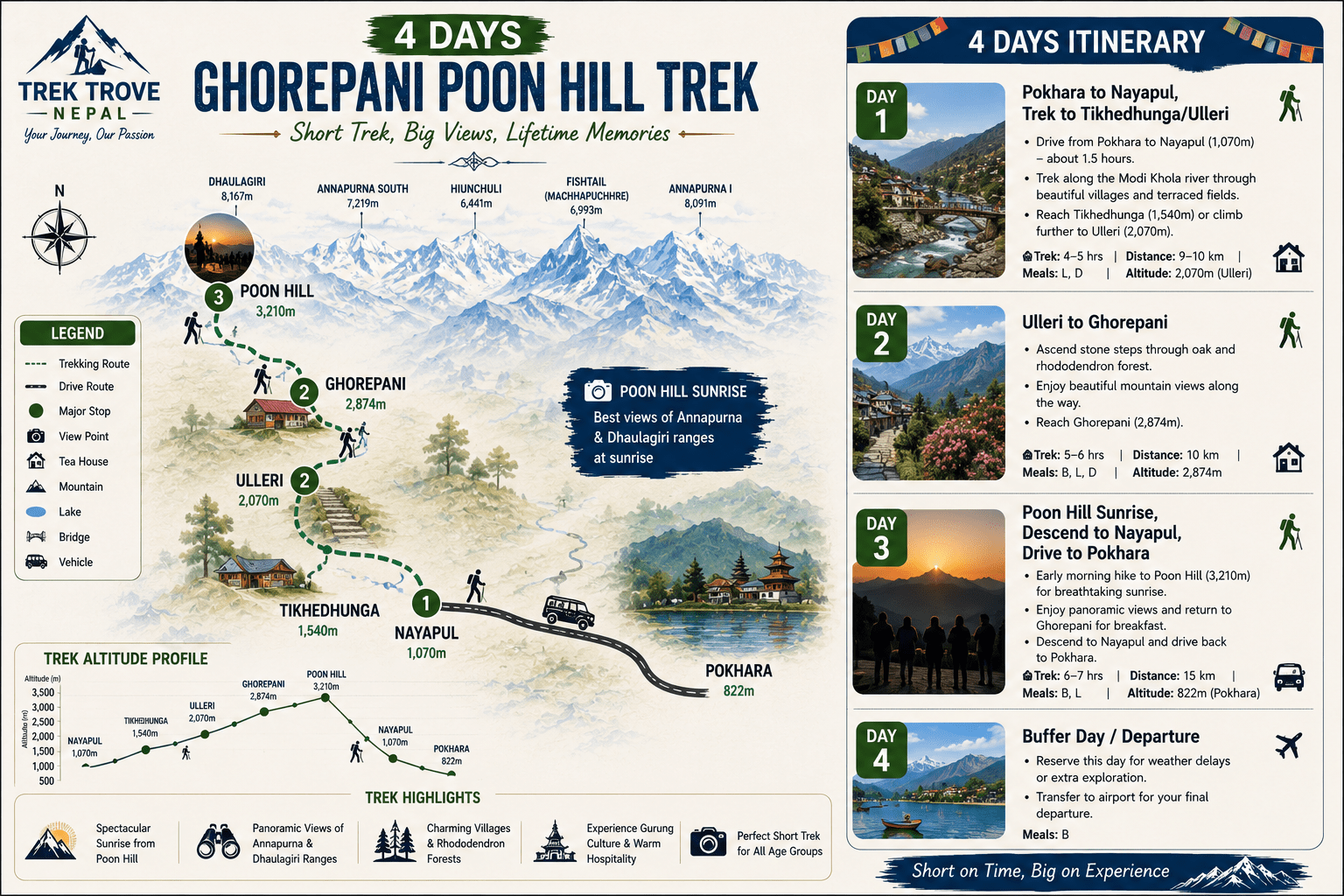
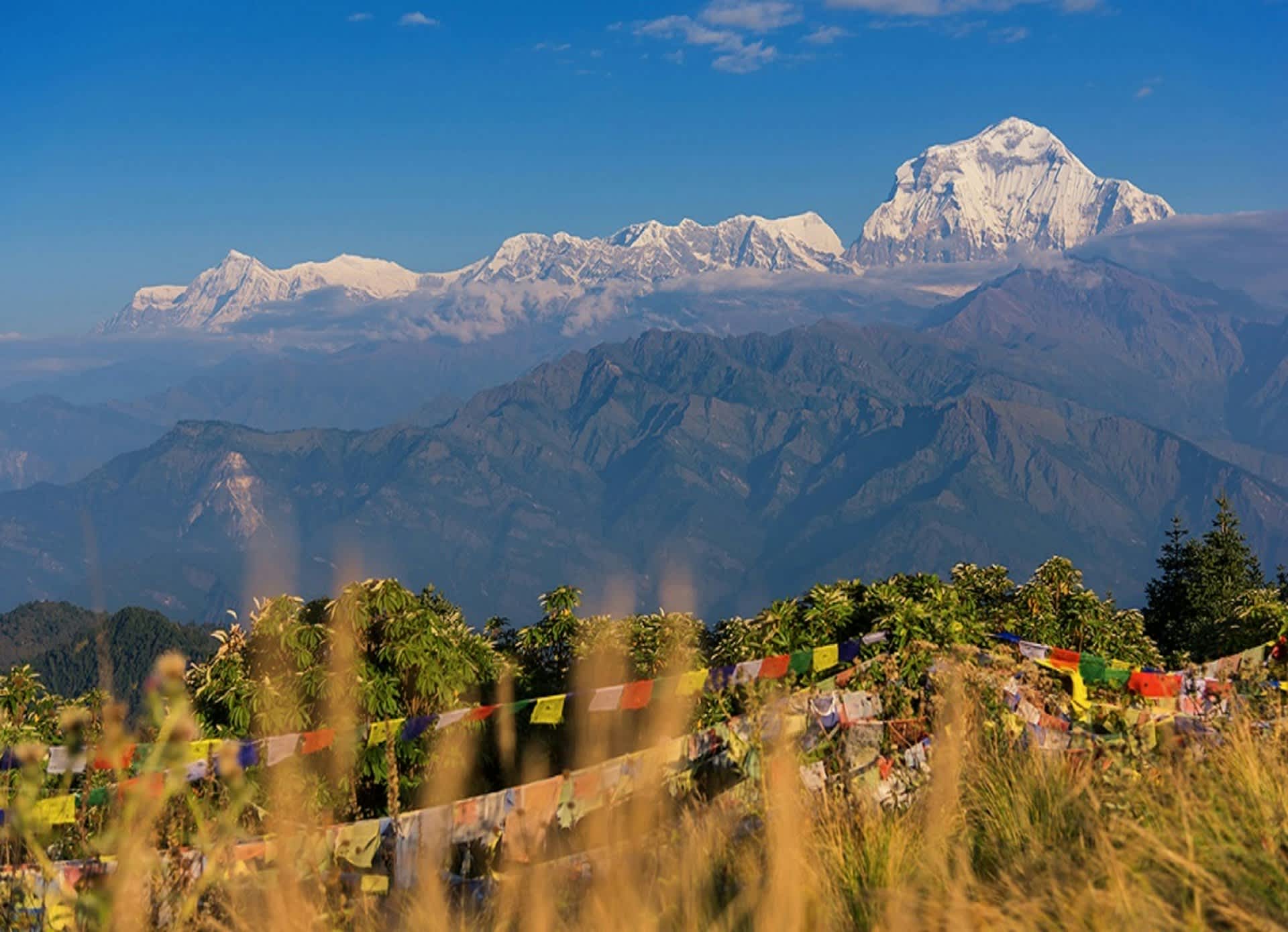
The Ghorepani Poon Hill Trek is the shortest widely-walked route in the Annapurna region that still delivers a genuine mountain panorama — Annapurna South, Annapurna I, Dhaulagiri, and Machhapuchhre (Fishtail) from a single viewpoint at 3,210 meters. This 4-day package is built for travelers who want a real Himalayan trekking experience without committing to the Annapurna Circuit or Annapurna Base Camp treks, which typically run 10–14 days.
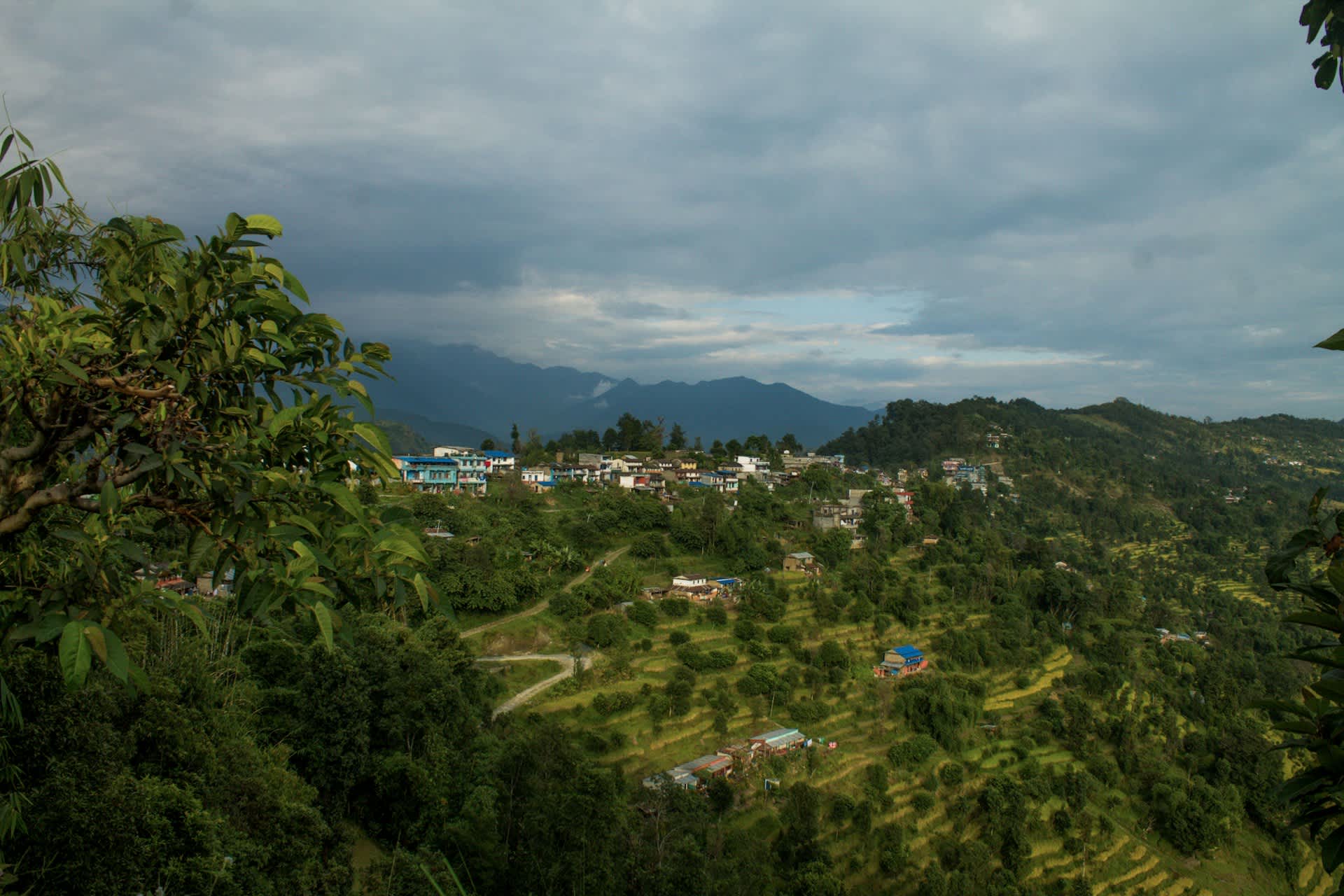
The route runs through Gurung and Magar villages, rhododendron forest, and one of the most consistently used stone staircases in the Annapurna Conservation Area — the climb into Ulleri.
Trek Trove Nepal runs this as a fixed 4-day tea-house itinerary starting and ending in Pokhara, with a private vehicle transfer to and from the trailhead at Nayapul.
Quick Facts Table
| Detail | Information |
|---|---|
| Trek Name | Ghorepani Poon Hill Trek |
| Duration | 4 Days / 3 Nights |
| Starting/Ending Point | Pokhara (via Nayapul) |
| Highest Point | Poon Hill, 3,210 m |
| Region | Annapurna Conservation Area |
| Trek Type | Tea-house trek, no camping required |
| Difficulty | Moderate – long stone staircases, no technical terrain |
| Average Walking Hours | 5–6 hours per day |
| Group Size | Private or small group (customizable) |
| Best Season | March–May and September–November |
| Permits Required | ACAP permit, TIMS card |
4 days Ghorepani Poon Hill Trek
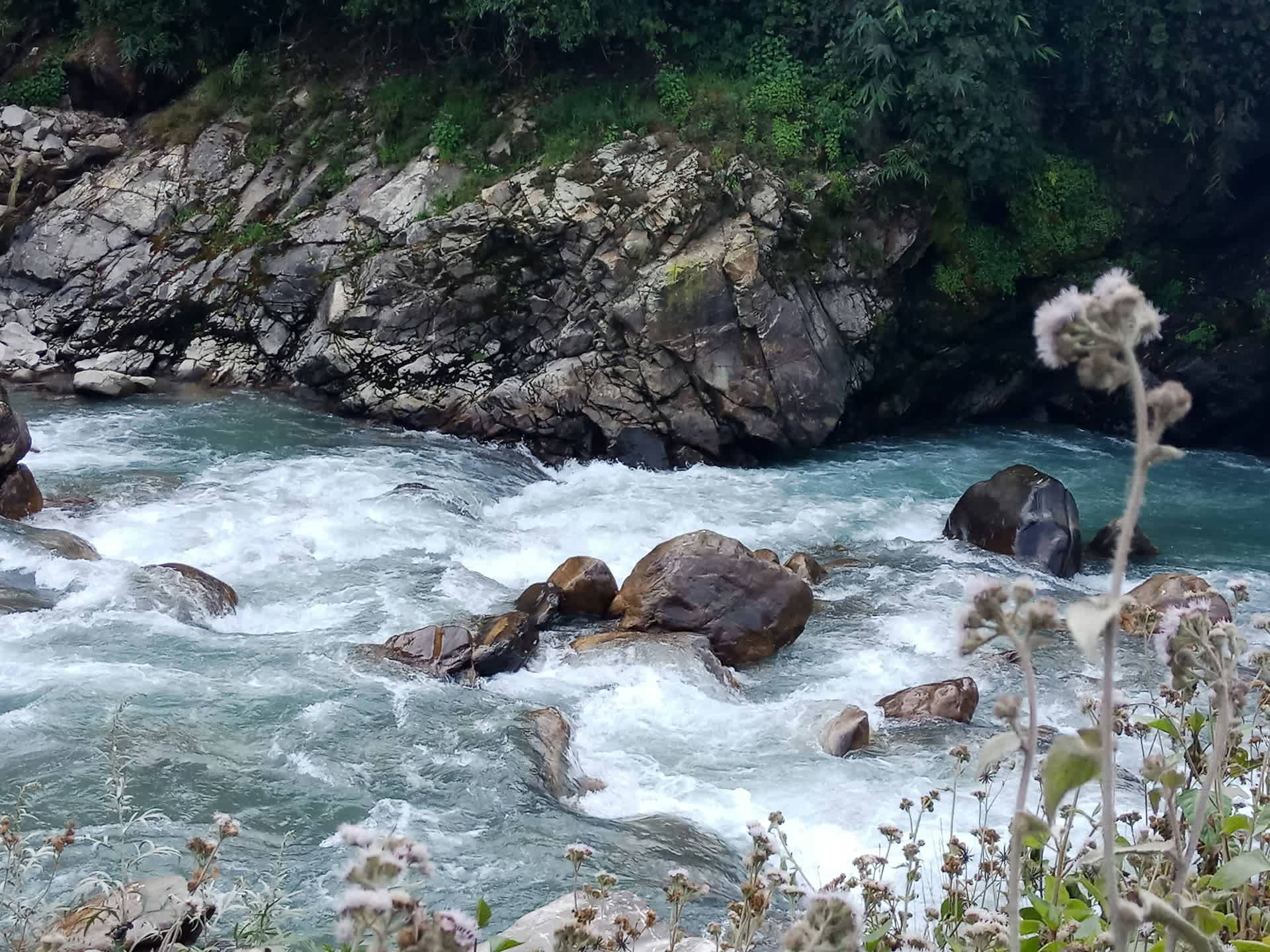
This itinerary covers the classic Ghorepani Poon Hill loop from the Nayapul side, which is the standard access point for this trek and roughly two hours by road from Pokhara. From Nayapul, the trail follows the Modi Khola river valley to Birethanti, then climbs through Tikhedhunga and up the stone staircase to Ulleri.
From Ulleri, the trail continues through rhododendron and oak forest to Ghorepani, the overnight base for the Poon Hill sunrise climb.
The sunrise hike to Poon Hill is done before dawn on Day 3, followed by a descent back through Ulleri and Tikhedhunga to Nayapul, where a private vehicle returns the group to Pokhara the same day. Day 4 is kept as a buffer and departure day, since road or weather delays on Day 3 are not uncommon during peak trekking season.
Why Choose the Ghorepani Poon Hill Trek
- Delivers a full Annapurna panorama in 4 days — no other short trek in the region reaches a viewpoint with this range of visible peaks in this little time.
- No technical trekking experience required — the trail is entirely on established paths and stone steps, with no glacier crossings, exposed ridgelines, or scrambling.
- Tea-house accommodation throughout — no camping equipment needed, and hot meals are available at every stop.
- Fixed, predictable itinerary — useful for travelers with limited vacation time who still want an organized trekking package rather than a self-arranged trip.
- Local operator with direct trail experience — Trek Trove Nepal manages permits, guide assignment, and tea-house bookings directly rather than through subcontractors.
4 days Ghorepani Poon Hill Trek Itinerary Overview
Day 1: Pokhara to Nayapul, Trek to Tikhedhunga/Ulleri
Private vehicle transfer from Pokhara to Nayapul (approximately 1.5–2 hours by road). From Nayapul, trek through Birethanti, where permits are checked, and continue along the Modi Khola valley to Tikhedhunga. The trail then begins its climb toward Ulleri via the stone staircase. Overnight in Ulleri or Tikhedhunga depending on pace and daylight.
Day 2: Ulleri to Ghorepani
The day continues climbing through oak and rhododendron forest from Ulleri to Ghorepani, gaining significant altitude over a shorter distance than Day 1. Ghorepani itself is a ridge-top village with direct views toward Dhaulagiri on clear afternoons. Overnight in Ghorepani, positioned for the early Poon Hill departure the next morning.
Day 3: Poon Hill Sunrise, Descend to Nayapul, Drive to Pokhara
Departure from Ghorepani in the dark, roughly 45 minutes to an hour before sunrise, for the climb to Poon Hill. After viewing the sunrise and mountain panorama, descend back to Ghorepani for breakfast, then continue down through Ulleri, Tikhedhunga, and Birethanti to Nayapul. Private vehicle transfer back to Pokhara, typically arriving in the evening.
Day 4: Buffer Day / Departure
Kept free as a schedule buffer in case Day 3’s descent runs long, or used for onward travel, Pokhara sightseeing, or departure to Kathmandu.
Route Overview
| Day | Route | Approx. Walking Time |
|---|---|---|
| 1 | Nayapul → Birethanti → Tikhedhunga/Ulleri | 5–6 hours |
| 2 | Ulleri → Ghorepani | 4–5 hours |
| 3 | Ghorepani → Poon Hill → Ghorepani → Nayapul | 6–7 hours |
| 4 | Free day / departure | — |
Daily Walking Distance and Hours Table
| Day | Distance (approx.) | Walking Hours | Terrain |
|---|---|---|---|
| 1 | 10–11 km | 5–6 hrs | River valley trail, then stone staircase ascent |
| 2 | 6–7 km | 4–5 hrs | Forest trail, steady climb |
| 3 | 15–16 km | 6–7 hrs | Pre-dawn climb, then long descent |
| 4 | — | — | Rest / departure |
Altitude Profile Table
| Location | Altitude |
|---|---|
| Pokhara | 820 m |
| Nayapul | 1,070 m |
| Tikhedhunga | 1,540 m |
| Ulleri | 1,960 m |
| Ghorepani | 2,860 m |
| Poon Hill | 3,210 m |
Poon Hill Sunrise Experience
The pre-dawn climb from Ghorepani to Poon Hill takes roughly 45 minutes to an hour at a steady pace, on a well-maintained trail used daily by trekkers throughout the main seasons. The viewpoint itself has a stepped viewing tower, which gets crowded during peak season (October–November and March–April), so arriving with enough buffer time before sunrise is advisable.
Sunrise timing shifts seasonally — later in winter, earlier in late spring — and guides adjust departure time from Ghorepani accordingly.
Mountain Views
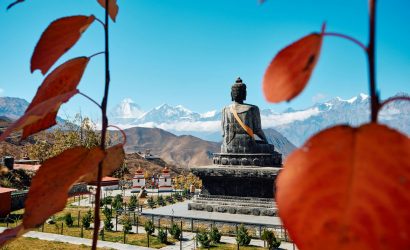
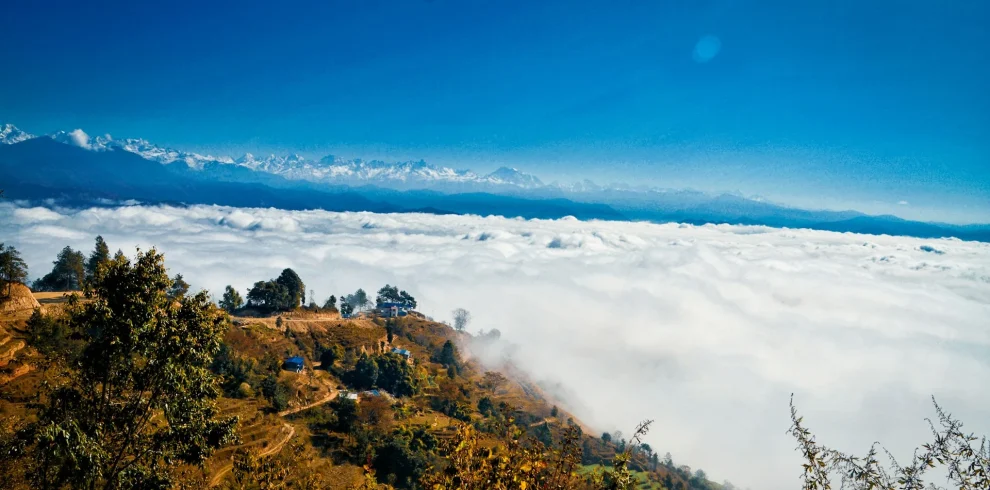
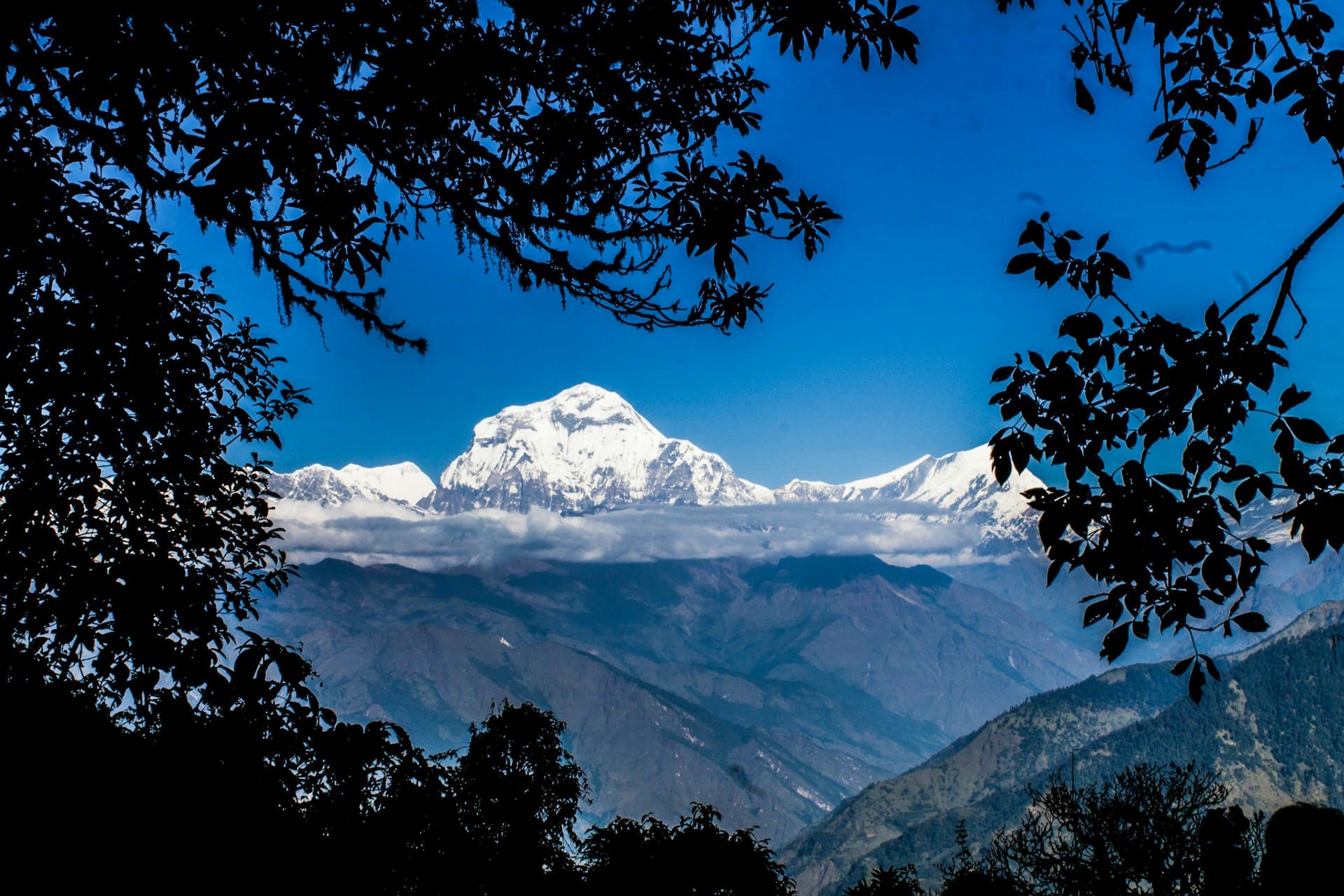
From Poon Hill, on a clear morning, visible peaks typically include Annapurna South, Annapurna I, Annapurna III, Dhaulagiri, Nilgiri, and Machhapuchhre (Fishtail Mountain). Visibility depends heavily on season and time of day — mornings are generally clearer than afternoons, and pre-monsoon haze or post-monsoon cloud can reduce visibility during the shoulder months. Trek Trove Nepal does not guarantee unobstructed views, as this depends on weather conditions beyond the operator’s control.
Trek Difficulty
This trek is rated moderate rather than easy. The main physical demand is not altitude — 3,210 meters is well below the range where altitude sickness becomes a significant concern for most healthy trekkers — but the sustained stone staircases, particularly the climb into Ulleri, which involves an extended, continuous set of stone steps.
Day 3 in particular combines an early, uphill start with a long descent later the same day, which is harder on the knees than the ascent. Trekkers with no hiking background can complete this trek, but should expect several consecutive hours of uphill and downhill walking on stone steps, not flat trail.
Fitness Requirements
No technical climbing skills or prior trekking experience are required. A reasonable baseline of general fitness — comfortable with several hours of continuous walking and stair-climbing — makes the trek considerably more enjoyable.
Trekkers who do some walking or stair training in the weeks before departure generally find the staircases into Ulleri and the Day 3 descent noticeably easier.
Altitude and Acclimatization
At a maximum altitude of 3,210 meters, this trek does not require the dedicated acclimatization days built into longer, higher treks such as Annapurna Base Camp or the Annapurna Circuit. Mild symptoms such as light-headedness or shortness of breath on the steeper sections are more commonly related to exertion than altitude at this elevation.
Trekkers with pre-existing respiratory or cardiac conditions should consult a doctor before booking, as with any trek involving sustained uphill effort.
Best Time for 4 days Ghorepani Poon Hill Trek
October to November offers the clearest post-monsoon skies and is the most popular season for this route. March to April brings rhododendron blooms along the forested sections between Ulleri and Ghorepani, alongside generally good visibility.
December to February is cooler, with a chance of snow at Ghorepani and Poon Hill, but the trail remains passable. June to September (monsoon) brings frequent rain, leeches on the lower forested sections, and significantly reduced mountain visibility.
Season Comparison Table
| Season | Months | Trail Conditions | Mountain Visibility |
|---|---|---|---|
| Autumn | Sep–Nov | Clear, dry, busiest season | Excellent |
| Winter | Dec–Feb | Cold, possible snow near Ghorepani/Poon Hill | Good, clear but colder mornings |
| Spring | Mar–May | Mild, rhododendrons in bloom (Mar–Apr) | Good, some afternoon haze |
| Monsoon | Jun–Aug | Wet, slippery stone steps, leeches on lower trail | Poor, frequent cloud cover |
Weather Overview
Daytime temperatures on the trail are generally mild in autumn and spring, with cooler conditions as elevation increases toward Ghorepani and Poon Hill. Early morning temperatures at Poon Hill can be near freezing even outside winter, given the pre-dawn start time. Winter nights in Ghorepani regularly drop below freezing.
Rain is the primary weather factor to plan around during the monsoon months, both for trail conditions and mountain visibility.
Transportation
- Private vehicle transfer between Pokhara and Nayapul on both Day 1 and Day 3.
- All walking on the trek itself is on foot — there is no vehicle or cable car access beyond Nayapul on this route.
- No domestic flights are required for this itinerary, unlike longer Annapurna or Everest region treks.
Accommodation
| Location | Nights | Accommodation Type |
|---|---|---|
| Tikhedhunga/Ulleri | 1 | Tea-house lodge |
| Ghorepani | 2 | Tea-house lodge |
Tea-house lodges on this route offer private twin rooms as standard, with shared bathroom facilities common at most lodges (attached bathrooms are available at some Ghorepani lodges at extra cost). Rooms are unheated; common dining areas typically have a wood or gas heater in the evenings, especially in cooler months. Hot showers are usually available for an additional charge.
Meals and Drinking Water
Breakfast, lunch, and dinner are included throughout the trek, with menus at tea houses along this route typically offering dal bhat, noodle and pasta dishes, soups, and basic Western options such as pancakes and porridge.
Bottled and boiled water are both available for purchase at lodges; a personal water bottle with purification tablets or a filter is a practical alternative to reduce plastic waste on the trail.
Permits and Entry Requirements
Two documents are required for this route: the Annapurna Conservation Area Permit (ACAP) and a TIMS (Trekkers’ Information Management System) card. Both are checked at the entry checkpoint in Birethanti on Day 1. Trek Trove Nepal arranges both permits as part of the package price, using passport details provided at the time of booking.
Packing Checklist Table
| Category | Items |
|---|---|
| Clothing | Layered clothing, fleece or down jacket, waterproof shell |
| Footwear | Broken-in hiking boots, trekking socks |
| Health | Personal medication, blister plasters, sunscreen |
| Accessories | Trekking poles (recommended for the stone staircases), headlamp for the Day 3 pre-dawn climb, sunglasses, hat |
| Documents | Passport copies, permit photos, travel insurance details |
| Extras | Reusable water bottle, small daypack, power bank |
Cost Breakdown of 4 days Ghorepani Poon Hill Trek
Pricing depends on group size, lodge category, and season. The figures below are illustrative starting points; contact Trek Trove Nepal for a confirmed quote based on your travel dates and group size.
| Group Size | Approx. Price per Person (USD) |
|---|---|
| Solo traveler | Highest per-person rate (single supplement applies) |
| 2 people | Reduced per-person rate |
| 4–6 people | Further reduced per-person rate |
| 7+ people | Best per-person group rate |
Exact figures are confirmed at booking based on current permit fees, lodge rates, and season.
Optional Services
- Porter service for trekkers who prefer not to carry a full pack
- Extra night in Pokhara before or after the trek
- Extension to Ghandruk for an additional 1–2 days, combining Poon Hill with a Gurung village stay
- Private car upgrade for the Pokhara–Nayapul transfer
Responsible Trekking
Trek Trove Nepal asks trekkers to stay on marked trails, avoid single-use plastic where possible by refilling water bottles at lodges, and be mindful of noise and privacy in the small villages the route passes through, many of which rely on tea-house tourism as a primary income source.
Travel Tips
- Book lodges in advance during October–November and March–April, when the route is busiest.
- Trekking poles noticeably reduce strain on the knees during the Day 3 descent.
- Carry small cash in Nepali rupees, as card payment is not reliably available at tea houses.
- Start the Day 1 walk from Nayapul as early as practical to avoid finishing the Ulleri climb after dark.
- Layered clothing is more useful than a single heavy jacket, given the temperature range between valley and ridge sections.
Ready to Book the Ghorepani Poon Hill Trek?
If you’re considering the Ghorepani Poon Hill Trek, Trek Trove Nepal can arrange the full 4-day package — permits, tea-house bookings, guide, and Pokhara transfers — based on your travel dates and group size.
Contact us Trek Trove Nepal to check current availability and receive a detailed quote for this trek.
4 days Ghorepani Poon Hill Trek Highlights
- Reach a full Annapurna panorama in just 4 days — Annapurna South, Annapurna I, Dhaulagiri, and Machhapuchhre visible from Poon Hill at 3,210 m, without the 10–14 day commitment of longer routes like Annapurna Base Camp.
- Climb the Ulleri stone staircase — one of the longest continuous sets of stone steps on any regularly trekked route in the Annapurna Conservation Area, and a genuine physical highlight of Day 1.
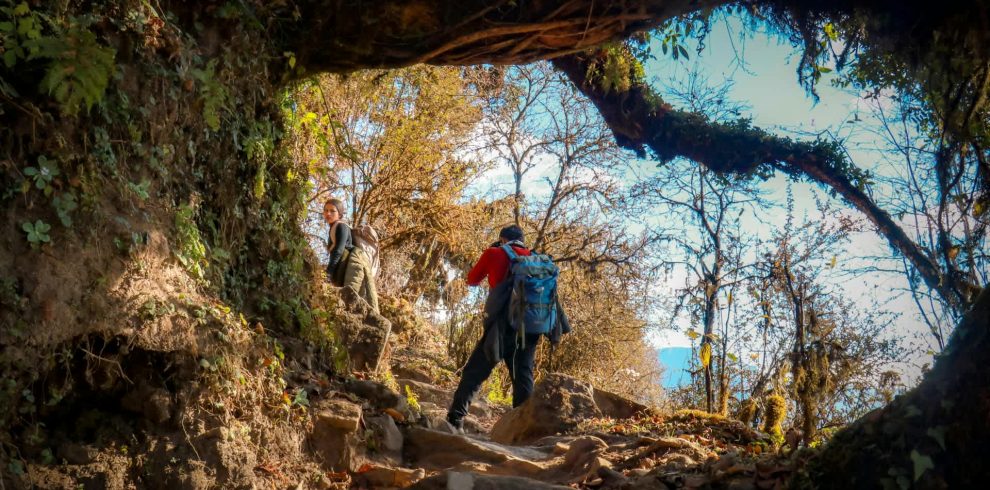
- Walk through rhododendron and oak forest between Ulleri and Ghorepani, at its densest bloom in March–April but shaded and scenic in any season.
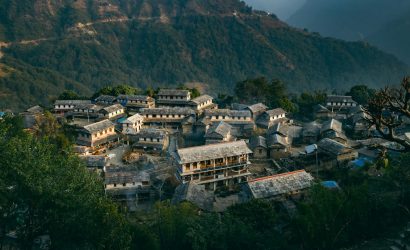
- Overnight in Ghorepani, a ridge-top Gurung and Magar village with direct afternoon views toward Dhaulagiri on clear days.
- Do the pre-dawn Poon Hill climb — a 45-minute to one-hour headlamp-lit ascent from Ghorepani, timed seasonally so you're at the viewing tower before first light.
- Complete the ascent, sunrise, and descent in a single overnight at Ghorepani, rather than multiple nights spent gaining altitude — one of the reasons this route works well for travelers with limited time.
- Pass through working Gurung and Magar villages along the Modi Khola valley and forest sections, with tea-house lodges that are typically family-run rather than large commercial operations.
- No technical trekking skills required — the entire route is established trail and stone steps, with no glacier travel, exposed ridgelines, or scrambling.
- Stay under 3,300 m throughout, low enough that altitude sickness isn't a significant concern for most healthy trekkers — the physical demand comes from sustained stairs, not elevation.
- Return to Pokhara the same day as the sunrise hike, with Day 4 kept free as a buffer or departure day rather than another day on the trail.