
Introduction to Best Season to Visit Kathmandu Nepal
You’ve probably already read three articles that all say the same thing: “October to November is best, go then.” That’s not wrong. But it’s not the whole answer either, and if you’ve dug around any further, you’ve likely hit the same wall everyone hits — vague temperature ranges that don’t match each other, festival dates copy-pasted from last year, and zero mention of the one thing that actually changes a Kathmandu trip: the air.
We run treks and valley tours out of Kathmandu year-round at Trek Trove Nepal, which means we’ve watched what “best season” actually looks like on the ground, not just on a spreadsheet. We’ve had guests land in perfect October sunshine and guests land in October smog because a late monsoon pushed the dust back a week. We’ve watched June travelers get four postcard-clear days in a row while a July group ate rain for ten straight. Averages are a starting point. They are not a guarantee.
This guide gives you the averages, corrected against multiple current data sets, plus the context nobody puts in writing: which month actually has the cleanest air (hint: it isn’t October), when Kathmandu’s festivals will make your trip unforgettable versus logistically painful, and how the valley’s weather differs from what you’ll experience once you head into the mountains around it.
The Quick Answer
Late September through early December is Kathmandu’s best window — you get the year’s clearest skies, comfortable daytime temperatures in the 20s (Celsius), almost no rain, and the country’s two biggest festivals, Dashain and Tihar, both fall inside it in 2026.
March through April is the strong second choice — warmer, blooming with rhododendron and jacaranda, and quieter than autumn, though visibility softens as haze builds through late spring.
December through February is Kathmandu’s most underrated window if you don’t mind the cold: thin crowds, the year’s lowest prices, and — counterintuitively — some of the year’s worst air quality, which we’ll explain below.
June through early September, the monsoon, is the season almost nobody recommends, but it has a narrow, genuine use case for a specific kind of traveler, which we’ll also get into.
None of that changes if you’re only spending 2–3 days in the Kathmandu Valley itself versus using Kathmandu as your launch pad for a trek — and that distinction matters more than most guides admit, because Kathmandu’s valley weather and the weather 3,000 meters higher up a trekking trail are not the same trip.
Kathmandu Weather by Month: The Real Numbers
Averages online vary by 3–5°C between sources depending on which weather station and years they’re drawing from. Here’s a reconciled set, cross-checked across several current data sources, that should track closely with what you’ll actually feel on the ground.
| Month | Avg. High | Avg. Low | Rainy Days | Rainfall | Feel |
|---|---|---|---|---|---|
| January | 18°C | 3°C | 2–3 | Minimal | Cold, dry, clear mornings, smoggy by midday |
| February | 20°C | 5°C | 3–4 | Low | Still cold at night, air quality worsening |
| March | 23°C | 9°C | 5–6 | Low–moderate | Warming fast, Holi, rhododendrons start blooming |
| April | 25°C | 12°C | 8–10 | Moderate | Warm, occasional pre-monsoon thunderstorms |
| May | 27°C | 16°C | 10–12 | Increasing | Hot, humid building, haze thickens before rains |
| June | 27°C | 19°C | 20–22 | High | Monsoon begins mid-month, humid and wet |
| July | 26°C | 20°C | 25–27 | Very high | Wettest month, warm but grey |
| August | 26°C | 20°C | 22–25 | Very high | Still wet, some breaks, lush green valley |
| September | 25°C | 18°C | 12–15 | Tapering | Monsoon retreats mid-to-late month |
| October | 24°C | 13°C | 1–3 | Very low | Clear, comfortable, festival season begins |
| November | 21°C | 8°C | 0–1 | Near zero | Coldest clear month, best mountain visibility |
| December | 18°C | 4°C | 1–2 | Low | Cold nights, dry air, thin high-altitude smog starts |
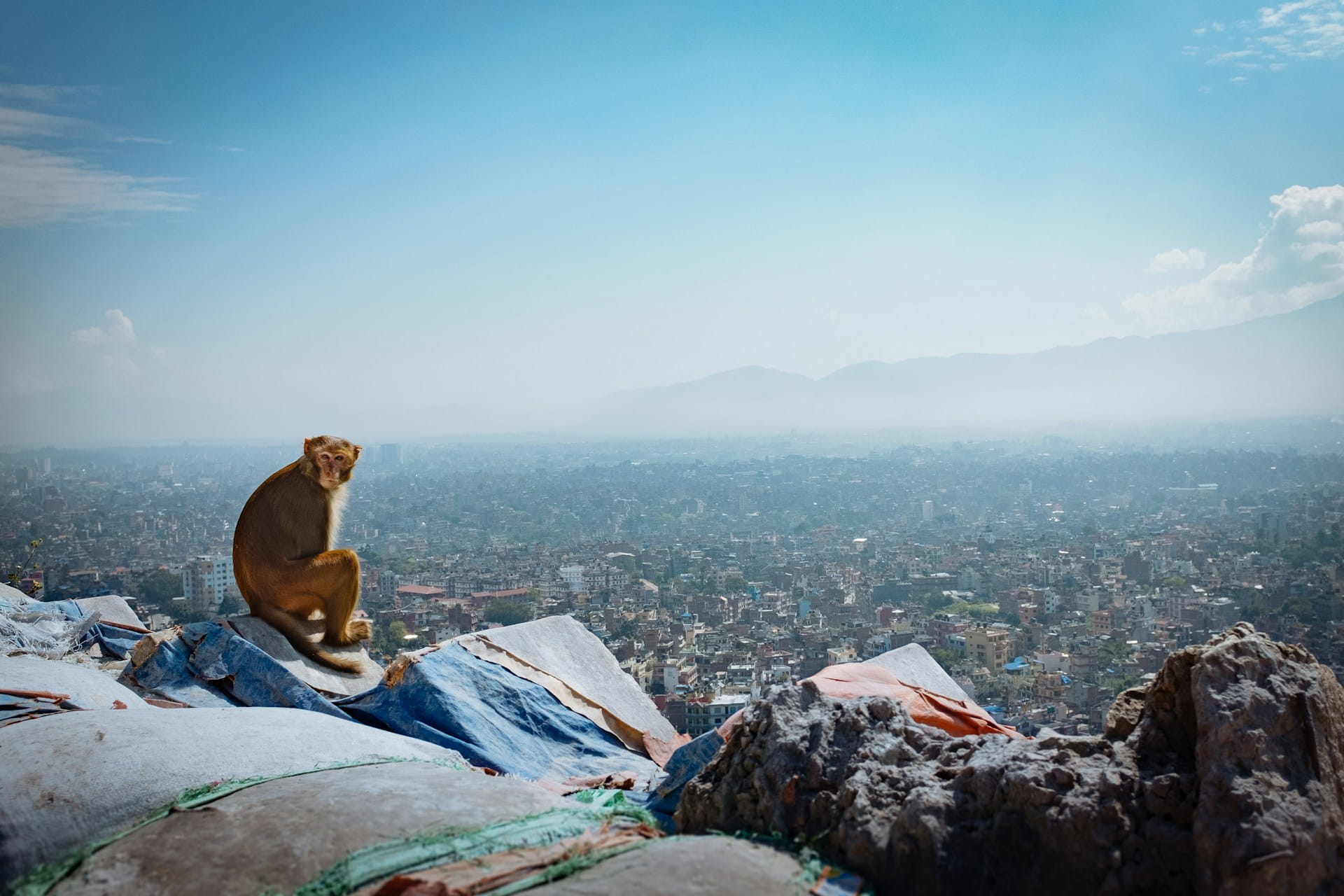
A note on how to read this table: Kathmandu sits at roughly 1,400 meters in a bowl-shaped valley ringed by hills. That geography is why the city traps both moisture (during monsoon) and particulate pollution (during winter) far more than an open plain would. It’s also why the “feel” column matters more here than in most cities — the same 20°C day in March and November can feel completely different depending on humidity and haze.
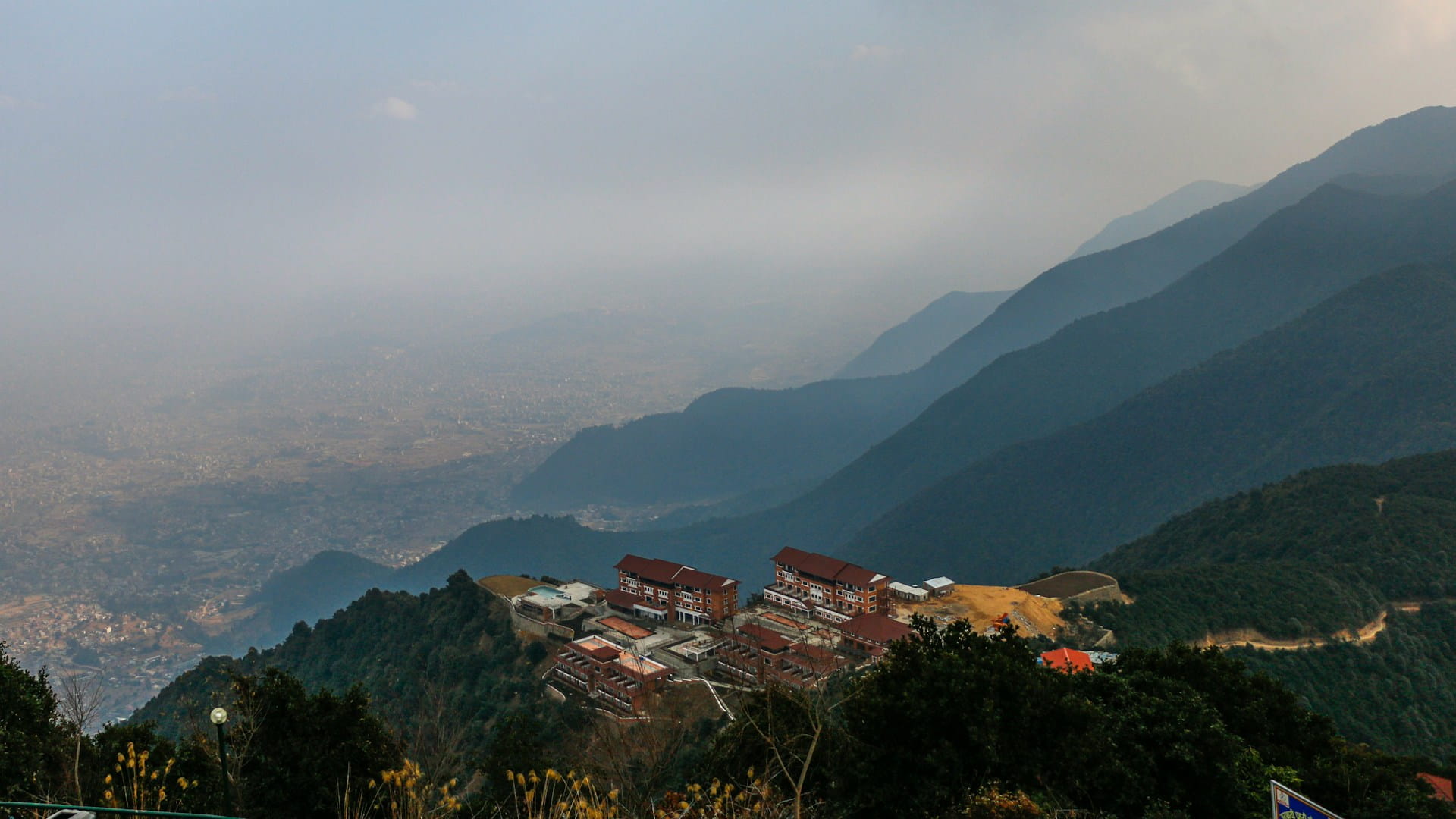
Autumn (Late September–Early December): Why It Wins
Autumn wins for one structural reason: the monsoon physically scrubs the sky. By late September, the seasonal rains that have soaked the valley since June begin retreating north, and what’s left behind is unusually clean, dry air with very little dust yet resuspended into it. That combination — low humidity, minimal rain, and a sky that hasn’t yet been reloaded with winter smog — is what produces the sharp, close-up views of the Himalayan range that Kathmandu is famous for in photographs. From spots like Nagarkot or Chandragiri Hills on a good October morning, you can see peaks that are invisible for eight months of the year.
Layered on top of the weather, 2026’s festival calendar makes this window even more compelling than usual, because both of Nepal’s major festivals fall squarely inside it:
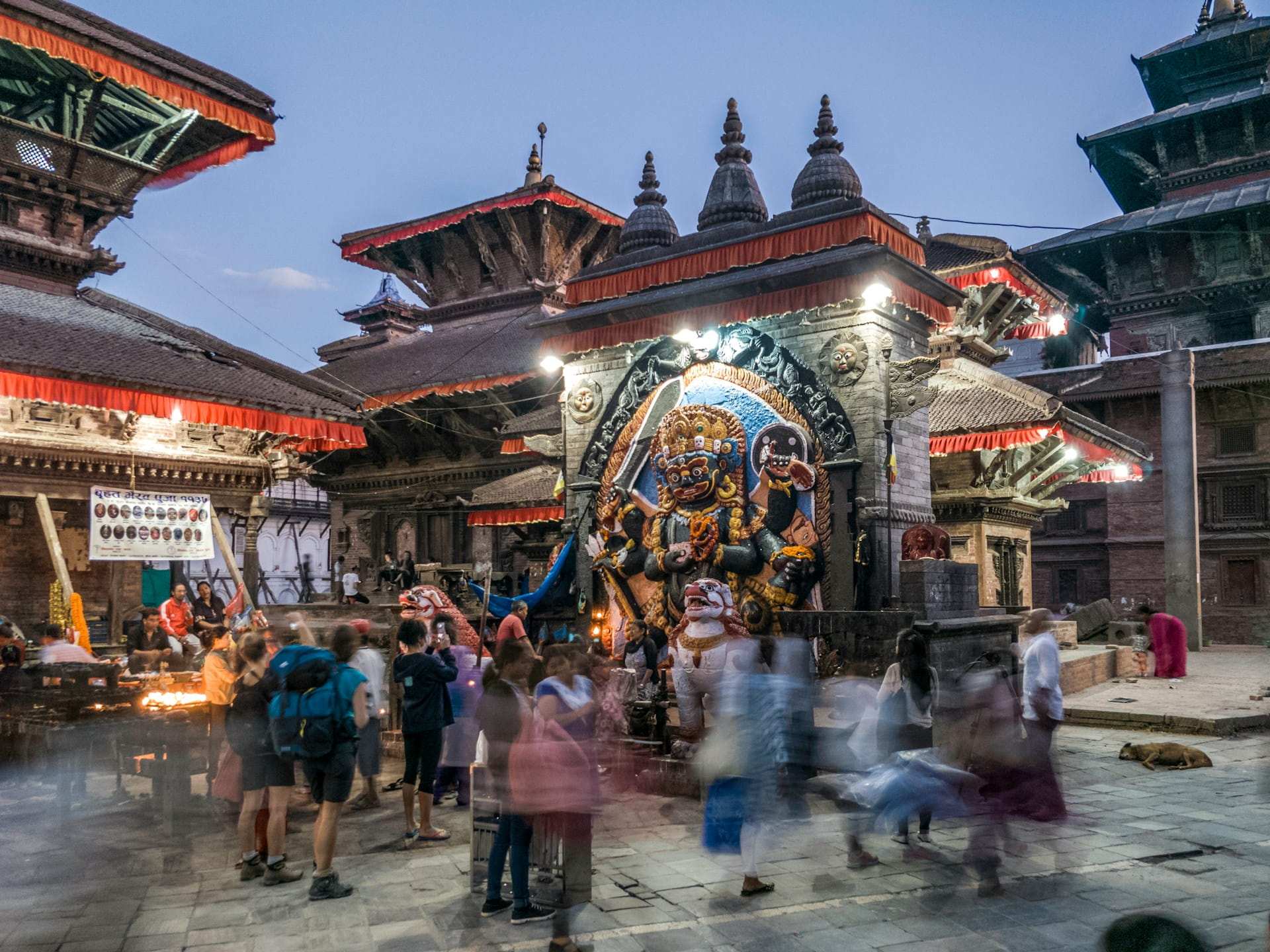
Dashain (October 11–25, 2026) is Nepal’s longest and most important festival — fifteen days honoring the goddess Durga’s victory over evil. Families travel home from across the country, streets fill with giant bamboo swings called pings, kite flying takes over open ground like Tundikhel, and the atmosphere in Kathmandu shifts from tourist-city to something genuinely intimate and domestic. The main Tika day, when families gather to receive blessings of rice, yogurt, and red powder on their foreheads from elders, falls on October 21, 2026.
Tihar (November 8–11, 2026) — the festival of lights — follows two weeks later. Homes are strung with oil lamps and fairy lights, intricate flower-and-color mandalas called rangoli appear on doorsteps, and specific days are dedicated to honoring crows, dogs, cows, and finally, on Bhai Tika (November 11, 2026), the bond between brothers and sisters. Visually, Tihar is the more photogenic of the two festivals for a first-time visitor — it’s Nepal’s answer to Diwali, and Kathmandu at night during Tihar looks like nowhere else in the country.
The honest trade-off nobody tells you: Dashain is also Nepal’s biggest travel disruption of the year. For the middle stretch of the festival, government offices close, many restaurants and shops in Kathmandu shutter as staff travel home to their villages, and domestic transport gets genuinely difficult to book. If your goal is trekking permits, guide bookings, or Lukla flights during peak Dashain week, plan and confirm everything well in advance — this is where a local operator earns its fee, because we’re rebooking around closures every single year. If your goal is simply to experience Dashain, however, this is the best possible week to be in Kathmandu; you’re seeing something most tourists never get access to.
By late November, air quality begins its seasonal decline as winter approaches (more on this below), so the sweet spot within the sweet spot is roughly October 5 through November 20 — after the worst of any lingering monsoon tail, and before winter haze sets back in.
Spring (March–May): The Underrated Second Window
Spring is Kathmandu’s other genuinely good season, and it gets unfairly overshadowed by autumn in most articles because they’re optimizing for the same keyword everyone else is targeting rather than actually differentiating the two seasons for the reader.
Here’s the honest difference: early spring (March into early April) rivals autumn for clarity, before the pre-monsoon haze builds. What spring adds that autumn can’t is color — the hills around the valley and the trekking routes leading out of it turn red and pink with blooming rhododendron forest (Nepal’s national flower), starting in the mid-hills in March and climbing higher through April. It’s also warmer earlier in the day, which matters if you’re doing a lot of walking around Durbar Squares and temple complexes.
Holi (March 2, 2026 in Kathmandu and the hill regions; March 3 in the Terai) lands right at the start of this window. It’s the festival most travelers have actually heard of before visiting Nepal — the full-contact color festival, concentrated in Kathmandu around Basantapur Durbar Square and Thamel. If you’re planning to be out on the streets, wear clothes you’re willing to sacrifice, and expect the joyful chaos to wind down by mid-afternoon.
Buddha Jayanti (May 1, 2026) marks the birth, enlightenment, and passing of Gautama Buddha, and it’s centered on Kathmandu’s Buddhist sites — Boudhanath Stupa and Swayambhunath both become extraordinary to visit that day, wrapped in prayer flags, butter lamps, and quiet processions rather than the louder street-festival energy of Holi or Dashain.
The trade-off in spring is twofold. First, by May, haze from pre-monsoon agricultural burning across the region and rising humidity start to soften mountain visibility — you’ll still get good valley weather, but the crisp long-range Himalayan views of October and November fade. Second, April brings the year’s Everest climbing season, which is fantastic if that’s part of your interest but means Lukla flights, high-altitude logistics, and mountain-facing accommodation get genuinely booked out; plan trekking legs of a spring trip earlier rather than later in the season for both better visibility and easier logistics.
Winter (December–February): The Season Nobody Talks About Honestly
Most articles either dismiss winter entirely or oversell it as a hidden gem. Both are incomplete. Here’s what’s actually true.
What’s genuinely good: December and January mornings in Kathmandu are often crystal clear — cold, but clear — because overnight temperature inversions settle pollution low before it burns off, or occasionally doesn’t. Crowds at Durbar Squares, Pashupatinath, and Swayambhunath drop to their lowest point of the year. Hotel and guesthouse rates in Thamel fall accordingly. If your priority is walking through Kathmandu’s heritage sites without fighting tour groups for a camera angle, winter delivers that better than any other season.
What nobody puts in writing clearly enough: Kathmandu’s air quality is often at its worst from December through February, not despite the dry, still winter air but because of it. The valley’s bowl shape traps particulate matter from vehicle emissions, brick kilns (which resume full operation from mid-January onward, timed to a traditionally auspicious construction period), and open burning, with little wind to disperse it.
Mornings can look deceptively clear from a hilltop and still register unhealthy AQI readings for anyone with respiratory sensitivity down in the city itself. If you have asthma, are traveling with young children, or are simply sensitive to smog, this is worth weighing seriously — it’s a bigger factor in your day-to-day comfort than the temperature is. A well-fitted N95-style mask for the city days (not needed once you’re up on a trek trail above the haze layer) solves most of the problem, and it’s genuinely common to see both locals and visitors wearing one during these months.
Temperature-wise, expect daytime highs around 18°C dropping to near freezing overnight in January, Kathmandu’s coldest month — fine for daytime sightseeing with layers, but pack for real cold in the evenings, since heating in guesthouses and even mid-range hotels is inconsistent.
Monsoon (June–Early September): Who It’s Actually For
We’re not going to pretend monsoon is secretly wonderful — most competitor articles either bury this season in a sentence or oversell it as an “off-season adventure” without being specific about who benefits and who doesn’t.
June through August brings Kathmandu’s heaviest rain, highest humidity, and lowest mountain visibility of the year, with July typically the wettest month and rain falling on more days than not. It’s genuinely uncomfortable for extended outdoor sightseeing, landslides periodically disrupt roads in and out of the valley, and any hopes of a distant Himalayan panorama are close to zero for most of the season.
What monsoon does deliver, and where it genuinely earns a recommendation for a specific traveler:
- The valley turns intensely green. Terraced hillsides around Kathmandu, normally brown and dusty by April, go lush practically overnight once the rains start — if you’re a photographer chasing that specific look, it’s only available in this window.
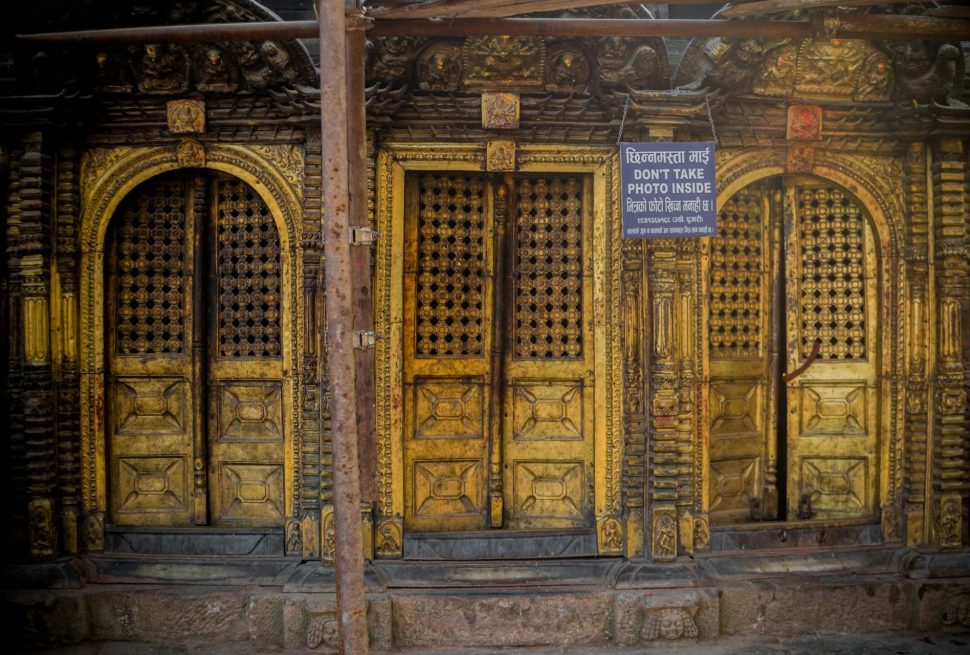
- You’ll have UNESCO sites almost to yourself. Durbar Squares, Boudhanath, and Swayambhunath in a monsoon downpour, with almost no other tourists, is a genuinely different, quieter experience of the same places.
- Prices bottom out. This is the cheapest window of the year for flights and accommodation.
- Upper Mustang and the trans-Himalayan rain-shadow region stay dry. This is the one piece of practical information competitor articles consistently miss: because the high Himalayan range blocks most of the monsoon moisture from reaching the country’s far north, trekking regions like Upper Mustang and parts of Dolpo remain a legitimate monsoon-season trekking option even while Kathmandu itself is soaked. If a summer trip is your only option and trekking is the priority, this is the workaround worth knowing about — and it’s exactly the kind of routing decision a local operator plans around rather than something you’d stumble into on your own.
If your only available travel window is June through August and you’re set on Kathmandu itself, come with realistic expectations, flexible plans, and good rain gear rather than canceling the trip outright.
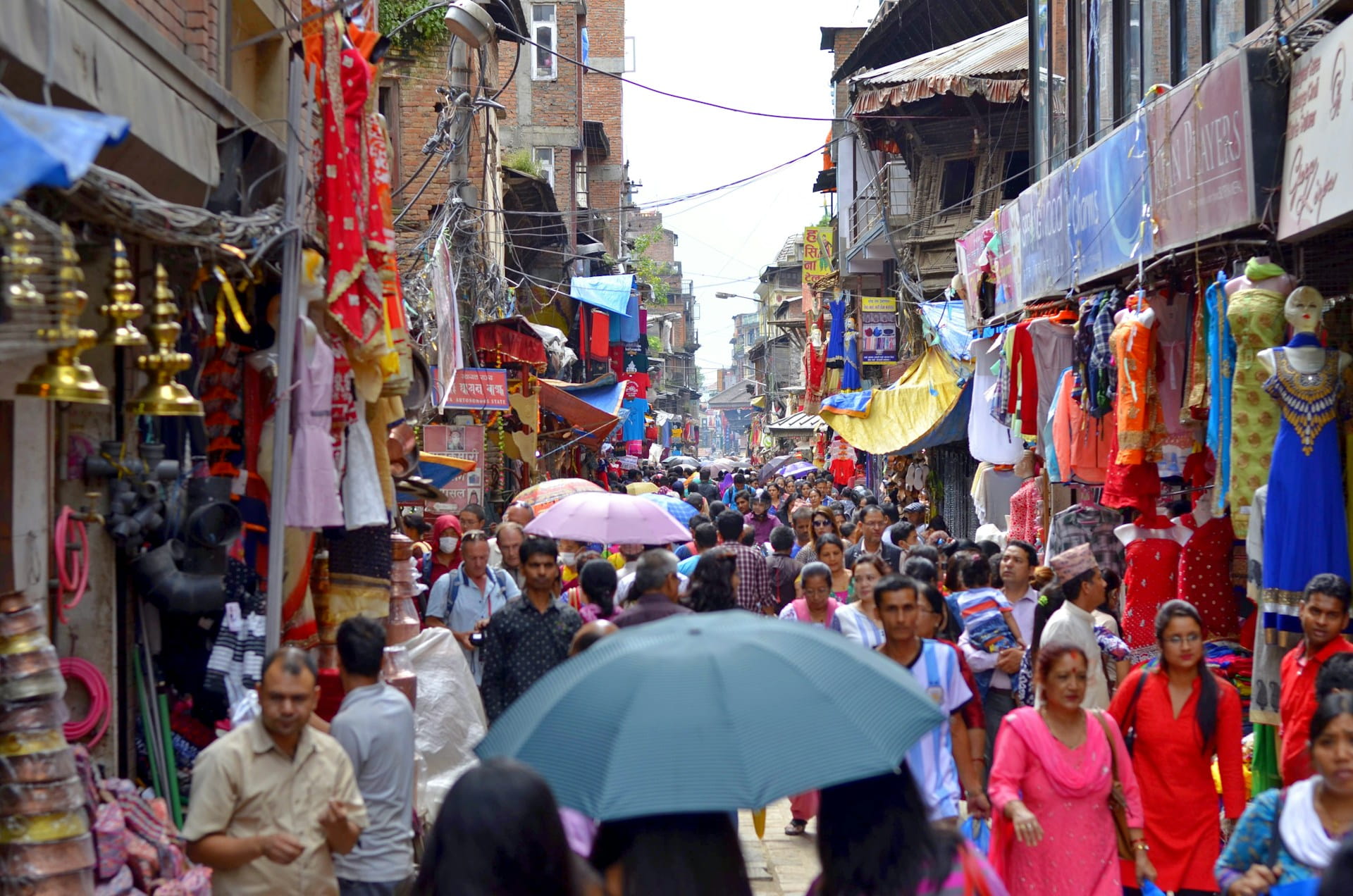
Best Season to Visit Kathmandu Nepal by Traveler Type
Averages aside, “best” genuinely depends on what you’re optimizing for. Here’s how we’d point different travelers, based on what actually matters to each:
- First-time visitors wanting the classic Kathmandu experience: October–November. Full stop. Clear skies, comfortable weather, major festivals, and every tourist-facing business operating at full capacity.
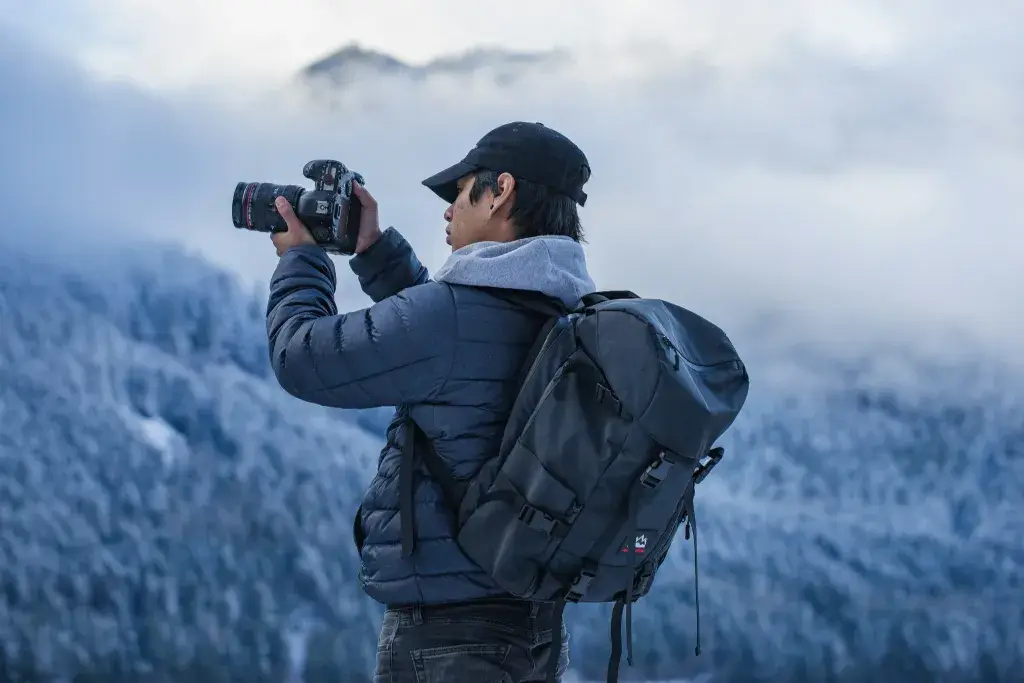
- Photographers chasing Himalayan panoramas: Late October through late November, specifically. This narrow window has the year’s highest percentage of clear-visibility days, before winter haze creeps back in from December.
- Trekkers combining Kathmandu with mountain trails (Everest, Annapurna, Langtang): Both October–November and March–April work well for trekking, but they favor different routes — spring’s rhododendron blooms suit the Annapurna and Langtang regions especially well, while autumn’s stability is the safer bet for higher, more exposed routes like the Everest region, where clear weather windows for flights in and out of Lukla matter enormously.
- Budget travelers: December–February for the cheapest rates with still-workable weather, or the monsoon months if price is the only variable that matters and you’re prepared for rain.
- Families with young kids or anyone sensitive to air quality: Late September through mid-November is the safest bet on both fronts — good weather and the year’s cleanest air, before winter smog sets in.
- Travelers who hate crowds: Winter (December–February) or monsoon (June–August). You’ll trade weather quality for genuinely quiet heritage sites.
- Couples and honeymooners: March–April. Warmer, blooming, and noticeably less crowded than the October–November rush, without sacrificing much in weather quality.
What Kathmandu’s Weather Doesn’t Tell You About a Trek
If Kathmandu is your starting point rather than your destination, one distinction trips up more first-time visitors than anything else on this list: valley weather and mountain weather are not the same season.
A comfortable, dry October day in Kathmandu at 1,400 meters tells you very little about conditions at 4,000 or 5,000 meters on the Everest Base Camp or Annapurna Circuit trail a few days later. Temperatures drop roughly 6–7°C for every 1,000 meters of elevation gained, on top of which high-altitude weather systems move independently of what’s happening in the valley — a trekking group can leave Kathmandu in bright sun and walk into snow four days later at altitude, even during the “best” season.
This is the single biggest planning gap in most best-season-to-visit content, because articles targeting “Kathmandu” as a keyword rarely acknowledge that most people searching it are actually asking about the country as a launch point, not the city as a destination in isolation.
Practically, this means: pack for the valley weather described above for your Kathmandu days, but pack an entirely separate, altitude-appropriate layering system if a trek is part of the trip — down insulation, proper wind protection, and cold-rated sleeping gear, regardless of what month it is or how warm Kathmandu feels the day you fly in.
Packing by Season
October–November (autumn): Light layers for daytime warmth (T-shirt to light fleece), a warmer jacket for evenings once the sun drops, and a mask for early-October days if any monsoon dust is still settling. Sunglasses and sun protection matter more than people expect at this elevation and clarity.
March–May (spring): Breathable layers, light rain protection for occasional pre-monsoon showers (heavier by May), and a hat — UV exposure climbs fast as the season warms.
December–February (winter): A proper insulated jacket, thermal base layers for morning and evening, and a well-fitted mask for city days given the seasonal air quality dip described above.
June–September (monsoon): A genuine rain shell (not just water-resistant), quick-dry clothing, closed waterproof footwear rather than sandals for the wet cobblestones, and a dry bag for electronics.
FAQs about Best Season to Visit Kathmandu Nepal
- What is the single best month to visit Kathmandu?
October, narrowly, followed by November. October combines the clearest post-monsoon skies with Dashain, Nepal’s biggest festival, though November edges it out slightly on pure weather stability and mountain visibility once festival crowds thin. - Is Kathmandu worth visiting during monsoon season?
It’s workable rather than ideal — expect frequent rain, low mountain visibility, and occasional landslide-related road disruptions, but also the lowest prices and thinnest crowds of the year, plus a lush green valley that looks nothing like the rest of the year. - When are Dashain and Tihar in 2026, and should I plan my trip around them?
Dashain runs October 11–25, 2026 (main Tika day October 21), and Tihar runs November 8–11, 2026 (Bhai Tika on November 11). Both are worth experiencing, but confirm transport, permits, and guide bookings well ahead of Dashain specifically, since the middle days see many businesses and offices close as families travel home. - Is Kathmandu’s air pollution really that bad?
It varies sharply by season. Air quality is typically at its best from late September through November, right after the monsoon clears the sky, and at its worst from December through February and again in the pre-monsoon haze of April–May, driven by the valley’s bowl-shaped geography trapping vehicle and construction emissions. - What’s the coldest month in Kathmandu?
January, with daytime highs around 18°C and overnight lows near or just above freezing. Days can still be pleasant in the sun; evenings require real layers. - What’s the hottest month in Kathmandu?
May and June are the warmest, with highs around 27°C, though rising humidity ahead of the monsoon makes late May feel hotter than the number suggests. - Do I need a mask in Kathmandu?
It’s genuinely useful during winter months (December–February) and parts of spring, when particulate pollution rises. It’s largely unnecessary during and right after monsoon, when the air is cleanest. - Is spring or autumn better for mountain views from Kathmandu?
Autumn, specifically October and November, has more consistently clear days. Spring gives you color (rhododendron blooms) and warmth but progressively hazier long-range visibility as the season goes on, especially by May. - When is Everest Base Camp trekking season relative to Kathmandu’s best weather?
The two main trekking seasons, spring (March–May) and autumn (late September–November), overlap directly with Kathmandu’s best weather windows — that’s not a coincidence, since the same broad weather systems govern both. - Is Holi celebrated in Kathmandu, and when is it in 2026?
Yes — Holi falls on March 2, 2026, in Kathmandu and Nepal’s hill regions (the Terai, including Janakpur and Chitwan, celebrates a day later on March 3). Expect street celebrations concentrated around Basantapur Durbar Square and Thamel. - What should I pack for a winter trip to Kathmandu?
A proper insulated jacket, thermal layers for morning and evening cold, and — given the seasonal air quality — a well-fitted mask for city days. - How many days of rain should I expect if I visit in July?
July is Kathmandu’s wettest month, with rain falling on the large majority of days, often in intense but short afternoon or evening downpours rather than all-day drizzle. - Is Kathmandu safe to visit year-round?
Yes — safety isn’t a seasonal issue in Kathmandu, though monsoon-season landslides can disrupt roads and buses to and from the valley, and dense winter smog is more of a health consideration than a safety one. - What’s the best time to combine Kathmandu with a Himalayan trek?
Late September through November, or March through April. Both windows deliver stable valley weather for your Kathmandu days and safer, clearer conditions once you head up into the mountains.
Conclusion on Best Season to Visit Kathmandu Nepal
Weather data gets you most of the way there, but the gap between “best season on paper” and “best season for your actual trip” is usually a scheduling detail — a Dashain closure you didn’t account for, a Lukla flight window that needs booking months ahead during peak spring climbing season, or a rain-shadow route you didn’t know existed for a summer trek. That’s the part that’s harder to Google and easier to get from people who route trips through this valley every week of the year.
If you’re weighing Kathmandu dates against a trek, a festival, or a specific mountain view you’re chasing, Trek Trove Nepal can help you land on the exact window — and the exact itinerary — that fits what you’re actually after.