
Introduction to Best Time to Visit Pashupatinath Temple
Pashupatinath doesn’t have an “off season” the way a beach destination does — it’s a living, daily-active temple complex, open 365 days a year, and something meaningful is happening there every single morning and evening regardless of the calendar. But “best time to visit” still matters enormously here, just not in the way it does for most Nepal destinations.
The variable that changes your experience most isn’t temperature or rainfall — it’s whether you arrive during ordinary daily worship or during one of the handful of festival days when over a million pilgrims converge on the same riverside complex.
This guide breaks down exactly when to go, by season, by time of day, and around Pashupatinath’s specific festival calendar — including Maha Shivaratri, the single biggest day of the year here — so you can choose deliberately between a quiet, contemplative visit and a vivid, crowded, once-in-a-lifetime festival experience. We’ve built this from years of guiding visitors through Pashupatinath at every point in the calendar with Trek Trove Nepal.
Quick Answer
- Best overall season for weather and comfort: October–November and March–April, when Kathmandu’s skies are clearest and temperatures are most pleasant
- Best time of day: early morning (around 4:00–7:00 AM) for a quieter, more contemplative visit, or around 6:00 PM for the evening aarti ceremony
- Busiest single day of the year by far: Maha Shivaratri, which drew over one million devotees to the Pashupati area in 2025, with 2026’s observance falling on February 15
- Avoid if you want minimal crowds: the days immediately around Maha Shivaratri (February/March, date varies yearly), and to a lesser extent Teej (August/September) and Bala Chaturdashi (November/December)
- Monsoon consideration: June–August brings heavy rain and higher humidity, but doesn’t close the temple — it’s simply a wetter, muddier visit with fewer foreign tourists
Understanding Pashupatinath’s Two Different “Best Times”
Before the month-by-month breakdown, it’s worth naming the real decision at the heart of this question, because it’s not just about weather. Pashupatinath rewards two genuinely different kinds of visits, and “best time” depends entirely on which one you want:
- A quiet, contemplative visit — observing the cremation ghats, exploring the wider complex, and taking in the evening aarti without being part of a massive crowd. For this, you want an ordinary day, ideally on clear-weather months, and ideally not a weekend or major festival date.
- An immersive festival experience — witnessing Pashupatinath at its most vivid and crowded, particularly during Maha Shivaratri, when the atmosphere, the number of sadhus (Hindu holy men) in attendance, and the sheer scale of devotion on display are genuinely unlike anything else in Nepal. For this, you want to deliberately time your visit around the festival calendar below.
Neither is objectively “better” — they’re different experiences, and this guide gives you what you need to choose deliberately rather than accidentally landing in the middle of a million-person crowd when you wanted quiet reflection, or missing Shivaratri by a week when that was the whole point of your trip.
Kathmandu Weather by Month (Where Pashupatinath Is Located)
Pashupatinath sits within Kathmandu, so the city’s climate is the relevant reference point for planning.
| Month | Typical Day Temp | Typical Night Temp | Rainfall | Overall Comfort |
|---|---|---|---|---|
| January | 14–18°C | 1–5°C | Low | Cold mornings, clear skies |
| February | 16–19°C | 3–6°C | Low–moderate | Cool, generally clear |
| March | 20–24°C | 7–9°C | Low–moderate | Pleasant, increasingly warm |
| April | 23–27°C | 11–12°C | Moderate | Warm, comfortable |
| May | 23–29°C | 14–15°C | Moderate, rising | Warm, humidity building |
| June | 24–29°C | 17–19°C | High (monsoon onset) | Hot, humid, wet |
| July | 23–28°C | 18–19°C | Very high | Hot, humid, heaviest rain of the year |
| August | 23–28°C | 18–19°C | Very high | Hot, humid, still very wet |
| September | 23–28°C | 17–18°C | High, tapering | Warm, gradually drying |
| October | 21–26°C | 13–17°C | Low | Clear, comfortable, widely considered the best month |
| November | 18–22°C | 7–13°C | Very low | Cool, crisp, very clear skies |
| December | 15–19°C | 1–9°C | Very low | Cold mornings, clear skies |
October and November stand out clearly as the most comfortable months — low rainfall, clear skies, and moderate temperatures that make both the early-morning and evening visits genuinely pleasant rather than either too hot and humid (monsoon months) or bitterly cold before dawn (deep winter).
Season-by-Season Breakdown for Pashupatinath Specifically
Autumn (September–November): The Strongest All-Around Choice
Autumn combines the best weather of the year with two of Nepal’s largest cultural festivals — Dashain and Tihar — both of which, while not Pashupatinath-specific, shape the broader atmosphere of Kathmandu significantly during a visit in this window. By late September, monsoon rains are tapering off, and by October, skies are reliably clear.
What this means practically at Pashupatinath: comfortable temperatures for both the early-morning ghat visit and the evening aarti, minimal risk of a rained-out visit, and — outside the specific festival dates covered below — generally moderate crowd levels rather than the extremes of Shivaratri or the near-emptiness of deep monsoon.
The trade-off: October and November are also peak tourism months across Nepal generally, meaning Kathmandu’s hotels, guides, and popular sites see more foreign visitor traffic than the shoulder or monsoon seasons — though this affects general tourism infrastructure more than it affects Pashupatinath itself, since the temple’s crowd patterns are driven far more by the Hindu festival calendar than by international tourist season.
Winter (December–February): Cold Mornings, Clear Skies, and Shivaratri
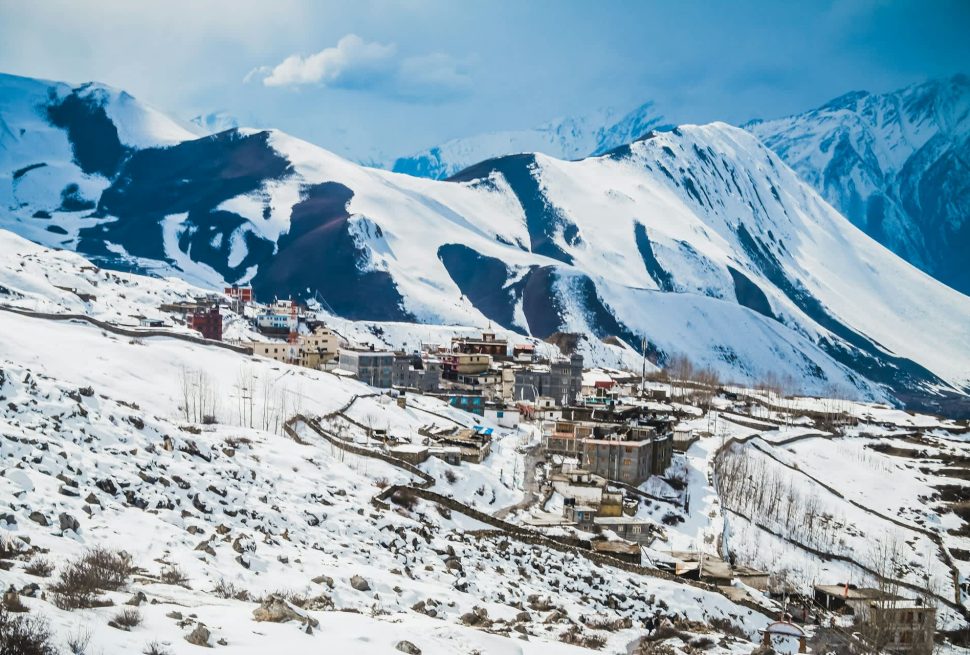
Winter in Kathmandu is genuinely cold in the early morning — temperatures at Pashupatinath’s dawn hours can drop close to freezing in December and January — but daytime conditions are usually comfortable, and skies remain largely clear.
The defining event of this season is Maha Shivaratri, which falls in February or early March depending on the lunar calendar (more detail below), and is by a wide margin the single most significant date in Pashupatinath’s annual calendar. If witnessing this festival is a priority, winter (specifically the Shivaratri date itself) is when you need to be there; if it’s something you’d rather avoid for crowd reasons, plan around it deliberately.
Practical note: if you’re visiting for an early-morning or dawn cremation-ghat visit in December or January specifically, dress considerably warmer than you might expect from Kathmandu’s daytime reputation — pre-dawn temperatures at this time of year genuinely require a proper jacket, not just a light layer.
Spring (March–May): Warm, Comfortable, and Increasingly Busy Toward Monsoon
Spring offers a second strong weather window, with March and April in particular delivering comfortable temperatures and generally clear skies, similar in quality to autumn though trending warmer as the season progresses. By late May, pre-monsoon humidity and occasional early rain begin building.
Nepali New Year falls in mid-April (the exact Gregorian date shifts slightly year to year, generally around April 13–14), adding a broader cultural energy to a Kathmandu visit during this period, distinct from any specific Pashupatinath ritual but part of the general atmosphere of the city at this time of year.
Monsoon (June–August): Wetter, Quieter, and Genuinely Still Worth Visiting
This is the season most general Nepal travel advice tells you to avoid, and for good reason if you’re planning trekking or mountain-viewing activities. Pashupatinath, however, remains fully open and functioning throughout monsoon season — daily rituals, the evening aarti, and the ghats along the Bagmati River continue regardless of rainfall.
What actually changes: expect heavy, often daily rain, particularly in July and August (the wettest months of the year), higher humidity, and muddier ground conditions around the outdoor sections of the complex. Foreign tourist numbers drop noticeably during this period, which can make for a genuinely quieter, less commercially crowded visit if you don’t mind carrying an umbrella and accepting that outdoor photography conditions will be less consistently favorable.
Teej festival, a major Hindu women’s festival, typically falls in August or early September and draws large numbers of women specifically to Pashupatinath for related rituals and fasting observances — worth knowing about if your visit coincides with these dates, since it meaningfully increases crowd levels at the temple during this otherwise quieter season.
Pashupatinath’s Festival Calendar in Detail
This is the single most important section for anyone deciding when to visit, since Pashupatinath’s crowd patterns are driven overwhelmingly by the Hindu lunar festival calendar rather than by weather or general tourist season.
| Festival | Typical Timing | Scale at Pashupatinath | What Happens |
|---|---|---|---|
| Maha Shivaratri | February–March (lunar calendar; fell on February 15 in 2026) | Extremely large — over 1 million devotees in 2025 | The single largest annual gathering; overnight vigils, fasting, thousands of sadhus in attendance, all-night rituals |
| Teej | August–September (lunar calendar) | Large, women-focused | Married and unmarried women observe fasting and specific rituals dedicated to Shiva and Parvati; significant numbers gather at Pashupatinath |
| Bala Chaturdashi | November–December (lunar calendar) | Large, overnight observance | An overnight pilgrimage and ritual specifically associated with Pashupatinath, involving scattering of seven grains (sat biu) in memory of deceased family members |
| Dashain | September–October (lunar calendar) | Moderate increase | Nepal’s largest overall festival; broader citywide effect on Kathmandu more than a Pashupatinath-specific surge |
| Indra Jatra | September (lunar calendar) | Minimal direct effect on Pashupatinath | Centered primarily on Kathmandu Durbar Square rather than Pashupatinath itself |
Maha Shivaratri: What to Actually Expect
Maha Shivaratri, “the great night of Shiva,” is observed on the fourteenth day of the dark lunar fortnight in the Hindu month of Phalgun, which places it in February or early March on the Gregorian calendar, with the exact date shifting year to year based on lunar calculations. In 2026, it fell on Sunday, February 15 — meaning, if you’re reading this later in 2026 planning a trip for the remainder of the year, that date has already passed for this calendar year, and the next occurrence falls in early-to-mid March 2027.
On the day itself, Pashupati Area Development Trust authorities open all four gates to the temple area from as early as 2:00 AM to manage the volume of devotees. Queues at each entrance have extended 3 to 4 kilometers in recent years, with security personnel, volunteers, and free drinking water and medical stations set up to handle the crowd.
Large numbers of sadhus — including many who travel specifically from India for the occasion — gather throughout the complex, some observing striking ascetic practices that draw considerable attention from both devotees and visiting photographers.
Should you visit during Shivaratri? If experiencing Pashupatinath at its most intense and vivid — a genuinely unique spiritual and cultural spectacle — is your priority, absolutely. If you’re hoping for a contemplative, unhurried walk through the complex, this is the single worst day of the year to attempt that; choose almost any other date instead.
Teej: The Women’s Festival
Teej is a significant Hindu festival, primarily observed by women, dedicated to Shiva and Parvati and involving fasting, prayer for marital wellbeing (for married women) or for a favorable future husband (for unmarried women), and specific rituals often performed at Shiva temples. Pashupatinath, given its status as Nepal’s most significant Shiva temple, draws substantial crowds of women observing Teej rituals during this period, typically falling in August or early September.
Bala Chaturdashi: An Overnight Pilgrimage Unique to Pashupatinath
Bala Chaturdashi is an overnight pilgrimage and ritual observance specifically connected to the Pashupatinath complex, generally falling in late November or early December, during which devotees walk through the forested area around the temple scattering seven types of grains (known as sat biu) in remembrance of deceased family members, followed by ritual bathing and worship.
This is a lesser-known festival to international visitors compared to Shivaratri, but it’s a significant, genuinely distinctive date on the local religious calendar worth knowing about if your visit falls near it.
Best Time of Day to Visit
Independent of season, the time of day you visit shapes the experience just as much.
| Time | Atmosphere | Recommended For |
|---|---|---|
| Early morning (4:00–7:00 AM) | Quiet, devotional, fewer tourists, morning rituals underway | Contemplative visitors, photographers seeking soft light |
| Mid-morning to early afternoon (9:00 AM–2:00 PM) | Busiest tourist period, active ghat and complex sightseeing | General sightseeing, guided tours |
| Late afternoon (3:00–5:30 PM) | Moderate activity, good light for photography of the temple exterior | A balance of accessible timing and decent crowd levels |
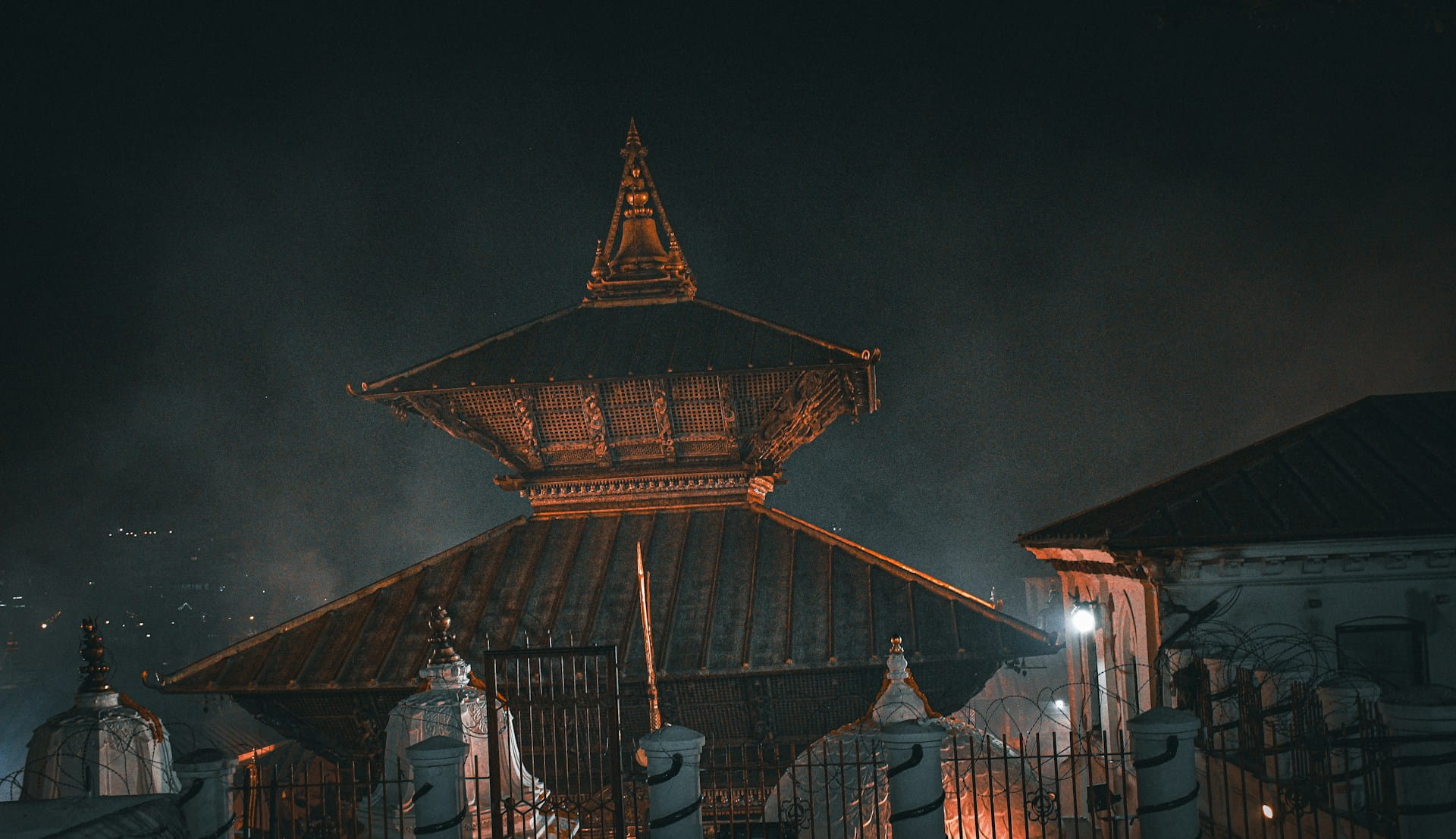
| Evening aarti (around 6:00 PM) | Highly atmospheric ritual ceremony with chanting, fire offerings, and drumming along the riverbank | Anyone wanting the single most memorable ritual moment of a visit |
| Late evening (7:00–9:00 PM) | Winding down, quieter again | A second quieter window, particularly outside festival season |
Our clear recommendation, independent of which season you visit in: if you can only choose one specific time, the evening aarti around 6:00 PM offers the most consistently memorable single experience — a genuinely moving combination of ritual, sound, and firelight along the Bagmati River that most visitors describe as the highlight of their Pashupatinath visit, regardless of what else they saw that day.
Combining Season and Time of Day: Our Honest Recommendation
Putting the weather and ritual-timing information together, here’s how we’d actually advise different types of travelers.
- If you want the single most comfortable, well-rounded visit: October or November, arriving in the early morning for a quiet look at the ghats, then returning (or staying through) for the 6:00 PM evening aarti.
- If witnessing Maha Shivaratri is your priority: plan specifically around its date each year (it shifts on the Gregorian calendar), accept that this will be an extremely crowded, high-intensity visit, and arrive very early if you want any hope of a reasonable vantage point.
- If you’re budget-conscious and don’t mind rain: June through August offers noticeably fewer foreign tourists and a quieter general atmosphere outside the specific dates of Teej, at the cost of heavy monsoon rainfall and higher humidity.
- If cold mornings are a dealbreaker: avoid a dawn visit in December and January specifically, or dress considerably warmer than Kathmandu’s general reputation might suggest, and consider a mid-morning or afternoon visit instead during these coldest months.
- If you’re combining Pashupatinath with other Kathmandu Valley UNESCO sites in a single day: October and November’s reliable weather makes for the least disrupted full-day itinerary across multiple outdoor heritage sites.
What Doesn’t Change Regardless of When You Visit
A few things about Pashupatinath remain constant across every season and time of day, worth keeping in mind as you plan:
- The temple is open daily, 4:00 AM to 9:00 PM, year-round, with no seasonal closures.
- Non-Hindus cannot enter the main temple sanctum at any time of year — this is a consistent, firmly enforced rule regardless of season or festival.
- Cremation rituals occur continuously along the ghats, not on a seasonal or festival schedule — this is an active, ongoing part of daily life at the complex whenever you visit, and should be approached with the same respectful discretion year-round.
- The entry fee (NPR 1,000 for foreign visitors) applies consistently, with no seasonal pricing variation.
Packing Considerations by Season
| Season | What to Bring |
|---|---|
| Winter (Dec–Feb) | A proper warm jacket for early-morning visits; layers for the daytime warm-up |
| Spring (Mar–May) | Light layers; sun protection for daytime; a light jacket for cooler mornings |
| Monsoon (Jun–Aug) | A genuine rain jacket or umbrella; quick-dry clothing; waterproof footwear given muddier ground conditions |
| Autumn (Sep–Nov) | Light layers; a light jacket for cooler November mornings and evenings |
Regardless of season, modest clothing covering shoulders and knees remains necessary year-round, as does comfortable footwear for walking across the complex’s stone and paved surfaces, some of which can be uneven.
Avoiding Crowds Without Avoiding the Best Weather
If you want both good weather and a relatively uncrowded visit — the combination most independent travelers are actually hoping for — the practical answer is: choose autumn or spring weather windows, but deliberately avoid weekends and the specific festival dates listed earlier in this guide. Weekday mornings in October, November, March, or April, outside of Teej, Dashain, or Bala Chaturdashi dates, typically offer close to the best possible combination of comfortable conditions and manageable crowd levels.
What We’ve Learned Timing Visits to Pashupatinath
Across the visits we’ve arranged to Pashupatinath with Trek Trove Nepal, the most common planning gap isn’t choosing a bad season — it’s not realizing how dramatically the festival calendar, rather than the weather calendar, shapes the actual experience here. A traveler booking a “nice October trip” who happens to arrive during Bala Chaturdashi gets a completely different, far more crowded visit than they may have expected from weather forecasts alone, and conversely, a traveler specifically hoping to witness Shivaratri needs to check that year’s exact lunar-calendar date rather than assuming it always falls on the same Gregorian date.
Our standard advice: decide first which kind of experience you actually want — quiet reflection or immersive festival spectacle — and then work backward to the specific dates that deliver it, rather than picking a month based on temperature alone and hoping for the best.
Frequently Asked Questions about Best Time to Visit Pashupatinath Temple
1. What is the single best month to visit Pashupatinath?
October is generally considered the best month, combining clear skies, comfortable temperatures, and moderate (non-festival) crowd levels. November is a close second.
2. Is Pashupatinath open every day of the year?
Yes — it operates daily from 4:00 AM to 9:00 PM with no seasonal closures.
3. When is Maha Shivaratri, and should I plan my visit around it?
Maha Shivaratri falls in February or early March, on a date that shifts yearly based on the Hindu lunar calendar; it fell on February 15 in 2026. It’s worth planning around specifically if you want to witness Pashupatinath’s largest and most vivid annual gathering, though it comes with extremely large crowds — over one million devotees visited in 2025.
4. What is the best time of day to visit Pashupatinath?
Early morning (roughly 4:00–7:00 AM) offers the quietest, most contemplative experience, while the evening aarti ceremony around 6:00 PM is widely considered the single most memorable ritual moment to witness.
5. Is it worth visiting Pashupatinath during monsoon season?
Yes, if you don’t mind rain and humidity — the temple remains fully active, and foreign tourist numbers are noticeably lower, making for a quieter general atmosphere outside of specific festival dates like Teej.
6. How cold does it get at Pashupatinath in winter?
Early morning temperatures in December and January can approach freezing, so a proper warm layer is genuinely necessary for a dawn visit during these months, even though daytime temperatures are generally comfortable.
7. What is Bala Chaturdashi, and does it affect crowd levels?
Bala Chaturdashi is an overnight pilgrimage and ritual observance specifically associated with Pashupatinath, generally falling in late November or early December, drawing significant crowds for its overnight rituals and grain-scattering ceremony.
8. Does Teej affect a visit to Pashupatinath?
Yes — Teej, a major Hindu women’s festival typically falling in August or early September, draws substantial numbers of women to Pashupatinath for related rituals and fasting observances, noticeably increasing crowd levels during this period.
9. Is Pashupatinath less crowded on weekdays than weekends?
Generally yes, outside of specific festival dates — weekday mornings, particularly in the shoulder seasons, tend to offer a more relaxed visiting experience than weekends.
10. Can I visit Pashupatinath at night?
The temple area’s general visiting hours run until 9:00 PM; visiting right up to closing, particularly after the 6:00 PM evening aarti, can offer a quieter, atmospheric experience as daytime crowds thin out.
11. What should I wear if I visit during monsoon season?
A genuine rain jacket or umbrella, quick-dry clothing, and waterproof or water-resistant footwear are worth bringing, given the heavy rainfall and muddier ground conditions typical of June through August.
12. Does the entry fee change during festivals like Shivaratri?
No — the standard entry fee structure (NPR 1,000 for foreign visitors, free for Nepali citizens) applies consistently, with no special festival-date pricing.
13. If I want to avoid crowds entirely, which months should I avoid?
Avoid the specific dates of Maha Shivaratri (February/March), Teej (August/September), and Bala Chaturdashi (November/December), since these are the dates that most significantly increase crowd levels beyond typical daily visitor numbers.
14. Is early morning or evening better for photography at Pashupatinath?
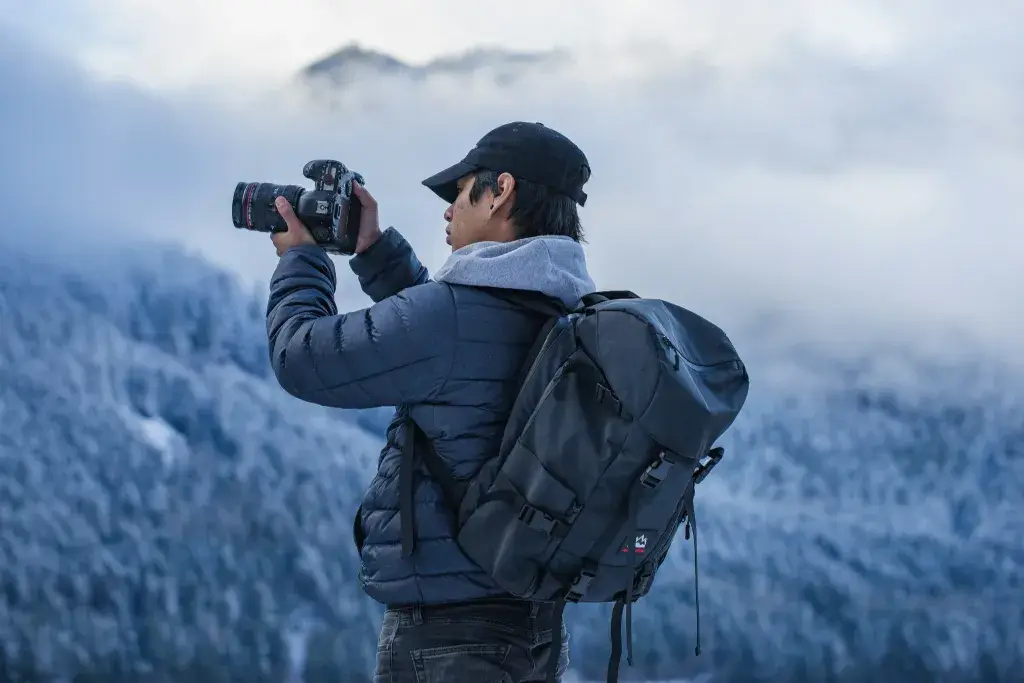
Both offer strong opportunities — early morning provides soft light and a quieter complex for general photography, while the evening aarti offers a uniquely atmospheric, firelit ritual scene that many photographers consider the more memorable and distinctive shot.
Final Word on Best Time to Visit Pashupatinath Temple
There’s no single “best time” to visit Pashupatinath in the way that phrase usually works for a destination — there’s a best time for a quiet, reflective visit (October or November, on an ordinary weekday morning) and a completely different best time for an unforgettable, once-in-a-lifetime immersion in one of Hinduism’s most significant living festivals (Maha Shivaratri, crowds and all).
Decide honestly which experience you actually want, check that year’s specific festival dates rather than assuming they repeat on the same Gregorian date annually, and time your visit around that — the weather, in the end, matters far less here than the calendar of devotion that has shaped this place for centuries.