

-
Bus, Airlines
-
3 Star Hotel
-
5,416 metres
-
Kathmandu
-
Feb, Mar, Apr & May
-
Eco-Tour, Hiking
-
All meals during the trek
-
English, Spanish, French, Chinese
-
Easy to Moderate
-
2-15
-
12
-
65
Overview
Introduction
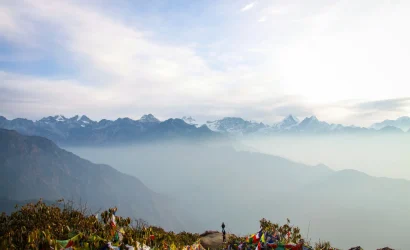
The Mardi Himal Trek is one of the newer additions to Nepal’s trekking scene, opened to trekkers only in the early 2010s and still far less crowded than its more famous Annapurna region neighbors. The route climbs a narrow, scenic ridgeline through rhododendron forest and alpine terrain to Mardi Himal Base Camp (4,500m), delivering some of the closest, most dramatic views of Machhapuchhre (the sacred “Fishtail” peak) of any trek in Nepal, alongside views of Annapurna South and Hiunchuli.
Because the trail runs along a distinct ridge rather than following a river valley like most other Annapurna region routes, Mardi Himal offers a genuinely different visual experience — open, sweeping views for much of the trek rather than the valley-and-forest perspective typical of ABC or Poon Hill. At just 5–7 days, it’s an excellent option for trekkers who want a quieter alternative to Annapurna Base Camp without sacrificing altitude or mountain scenery.
Why Trek to Mardi Himal?
Genuinely quiet trail: One of the least crowded moderate treks in the Annapurna region, even in peak season
Closest views of Machhapuchhre: The ridge route offers some of the most dramatic close-up views of the sacred Fishtail peak of any trek in Nepal
Distinct ridge-line trekking: Unlike most Annapurna routes that follow river valleys, Mardi Himal’s ridge trail offers open views for much of the journey rather than forest-enclosed walking
Shorter than ABC: Reaches a comparable altitude (4,500m) in fewer days than Annapurna Base Camp
Newer, less commercialized route: Opened to trekking only in the early 2010s, with a more rustic, less developed trail experience
Good “second trek” option: A step up from Poon Hill in both altitude and remoteness, without ABC or EBC-level commitment
Difficulty Level
Overall Rating: Moderate
Mardi Himal is comparable in difficulty to Annapurna Base Camp, with a similar maximum altitude reached in a more compressed timeframe.
Key difficulty factors:
Altitude: Mardi Himal Base Camp sits at 4,500m — high enough to require altitude awareness, especially given the trek’s shorter, faster ascent profile
Daily walking hours: 5–7 hours per day, with a demanding final push from High Camp to Base Camp
Terrain: Narrow ridge trail, exposed in sections, with some steep, root-covered forest paths in the lower stretches; no technical climbing required
Limited infrastructure: Fewer teahouses than ABC or Poon Hill, meaning less flexibility in daily distances and a more basic overall experience
Weather exposure: The exposed ridge terrain above the treeline is more weather-affected than valley routes — wind and cloud cover can obscure views more readily
Recommended fitness preparation:
4–6 weeks of cardio and endurance training
Practice hikes with a loaded daypack on varied, steep terrain
Some prior trekking experience helpful given the faster altitude gain relative to trek length
Who is this trek suitable for?
Moderately fit trekkers, including those who’ve completed Poon Hill and want a bigger challenge; a strong alternative to ABC for time-constrained trekkers comfortable with a faster ascent profile.
Altitude Sickness & Acclimatization
Mardi Himal’s compressed itinerary — reaching 4,500m in as few as 4-5 days of walking — means altitude awareness matters more here than the trek’s short overall length might suggest.
Symptoms to watch for: headache, nausea, fatigue, dizziness, poor appetite
Acclimatization approach: Because the standard itinerary ascends relatively quickly, trekkers prone to altitude sensitivity should consider adding a buffer night at High Camp (3,580m) before pushing to Base Camp
Prevention: Ascend at a comfortable pace, stay hydrated, avoid alcohol, consider Diamox after consulting a doctor if planning the faster itinerary
Note: The rapid ascent profile is the main altitude risk factor here, more so than the absolute elevation reached
Best Seasons to Trek
Autumn (September–November) — Best Overall
Clearest skies and most stable weather, ideal for the open ridge views that define this trek. Most popular season.
Spring (March–May) — Excellent
Rhododendron forests bloom at lower elevations, good visibility, moderate temperatures. A strong alternative to autumn.
Winter (December–February) — Cold, Possible Snow
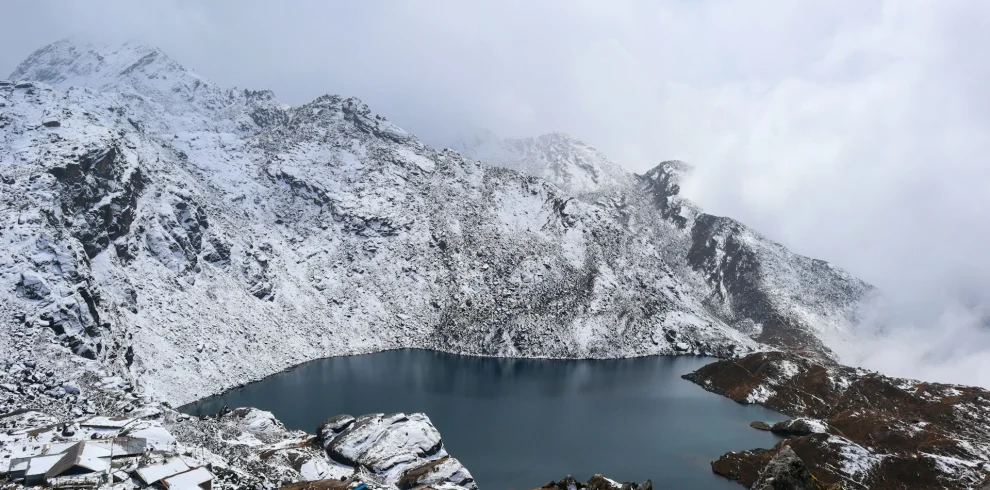
The trek remains accessible, but snow is likely above High Camp, and the exposed ridge sections become colder and windier. Fewer crowds for those seeking solitude.
Monsoon (June–August) — Not Recommended
Heavy rain, leeches in lower forested sections, and the ridge’s exposed views are frequently obscured by cloud cover during this period — arguably more weather-dependent than valley routes given the open terrain.
Month-by-month quick reference:
Month
Conditions
March–April
Rhododendrons blooming, clear views
May
Warmer, good visibility
June–August
Monsoon rain, cloud cover obscures ridge views
September
Transitional, improving weather
October–November
Peak season, best visibility
December
Cold, snow likely above High Camp
January–February
Coldest, windiest on the exposed ridge
Cost Breakdown
Item
Estimated Cost (USD)
Notes
Annapurna Conservation Area Permit (ACAP)
$30
Fixed government fee
TIMS Card
$20
Required
Teahouse Accommodation
$5–10/night
Often discounted if eating meals at the same lodge
Meals
$18–25/day
Slightly higher than Poon Hill given less-developed supply routes
Local Guide
$25–30/day
Recommended given more limited trail infrastructure
Porter
$20–25/day
Optional
Ground Transport (Pokhara–Kande round trip)
$20–40
Short drive from Pokhara
Estimated Total (per person, standard 5–7 day package)
$400–600
Based on 2–4 person group, teahouse trek
What’s typically included in a package: Guide and porter fees, permits, teahouse accommodation, 3 meals/day during trek, ground transportation between Pokhara and trailhead.
What’s typically excluded: International flights, Nepal visa, personal travel insurance, alcoholic/bottled drinks, personal gear, tips, Pokhara/Kathmandu hotel nights.
Detailed Itinerary
Day 1: Pokhara to Kande, trek to Forest Camp/Pothana
Drive to Kande (1,770m), then 4–5 hours trekking to Forest Camp (2,550m) or Pothana.
Day 2: Forest Camp to Low Camp
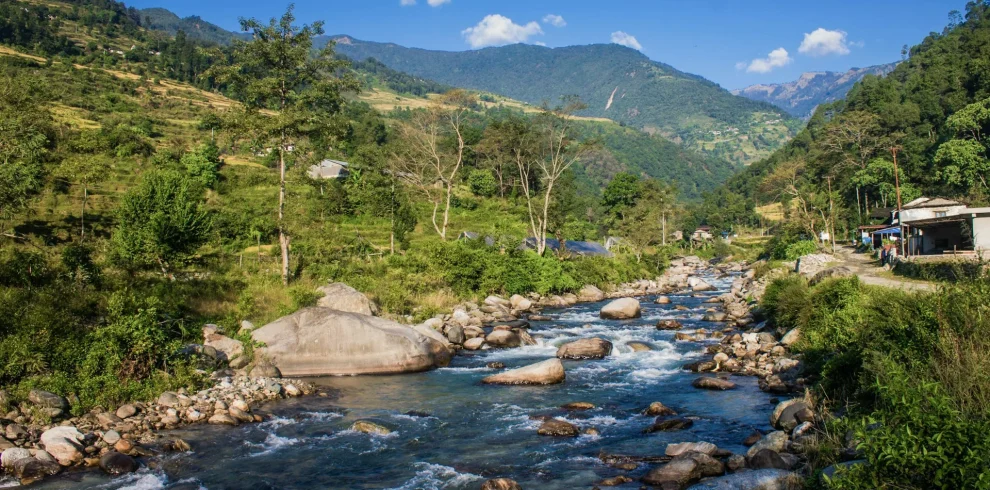
5–6 hours through dense rhododendron forest, gaining significant elevation to Low Camp (2,970m).
Day 3: Low Camp to High Camp
4–5 hours, emerging from forest onto the open ridge line, arriving at High Camp (3,580m) with first clear views of Machhapuchhre.
Day 4: High Camp to Mardi Himal Base Camp and back to High Camp/Low Camp
6–7 hours round trip, an early start recommended to reach Base Camp (4,500m) before clouds build, then descending back to High Camp or continuing to Low Camp same day.
Day 5: Descend to Siding village or Kande
5–6 hours descending via an alternate route, often through Siding village for cultural variety.
Day 6: Drive back to Pokhara
Short drive completing the trek.
(A faster 5-day version is possible by combining descent days; the itinerary can also be extended with a side trip or combined with a short ABC extension for trekkers wanting more time in the region.)
Accommodation & Food
Accommodation: Teahouse/lodge trek throughout, though notably more basic and limited in number than Poon Hill or ABC given the trail’s newer status and lower overall foot traffic. High Camp in particular has fewer options, and rooms can fill up in peak season despite the trek’s relative quietness overall.
Food: Standard teahouse fare — dal bhat, noodles, soups, basic breakfast items — with a narrower menu than more established routes given more limited supply access. Dal bhat remains the most reliable, filling option throughout.
Permits Required
Annapurna Conservation Area Permit (ACAP) – $30 per person
TIMS Card (Trekkers’ Information Management System) – $20 per person
Both can be arranged in Kathmandu or Pokhara through a registered trekking agency.
Packing List
Clothing
Moisture-wicking base layers
Fleece or insulated mid-layer
Waterproof, windproof outer shell jacket
Down jacket for cold nights at High Camp and Base Camp
Trekking trousers + warm layer for evenings
Warm hat, sun hat, gloves
Wool or synthetic hiking socks (multiple pairs)
Footwear
Broken-in trekking boots with good ankle support (helpful on the narrow ridge trail)
Camp shoes/sandals for evenings
Gear
Sleeping bag rated to -10°C or lower
Trekking poles
Headlamp with spare batteries (useful for early Base Camp departure)
Daypack (25–35L) with rain cover
Duffel bag for porter
Health & Safety
First-aid kit including altitude sickness medication
Water purification tablets or filter
High-SPF sunscreen and lip balm (exposed ridge sections increase sun exposure)
Personal medications
Miscellaneous
Power bank (limited/paid charging at High Camp)
Reusable water bottle
Cash in Nepali Rupees
Travel insurance documents
Cultural Significance
Unlike many of Nepal’s older, more established trekking routes, Mardi Himal doesn’t pass through as many major village settlements — most of the trail runs through forest and alpine terrain above the treeline, with Siding village (visited on some descent route variations) offering a glimpse of Gurung community life similar to villages found on the nearby Poon Hill and ABC routes.
The trek’s proximity to and views of Machhapuchhre carry the same cultural and spiritual weight as on the ABC route — the mountain remains unclimbed to its true summit out of respect for its sacred status among the Gurung people, and Mardi Himal arguably offers the single closest, most dramatic vantage point of the peak of any trek in the region.
Mardi Himal vs. Other Moderate Treks in Nepal
Trek
Duration
Max Altitude
Difficulty
Best For
Mardi Himal Trek
5–7 days
4,500m
Moderate
Quiet alternative to ABC, close Machhapuchhre views
Annapurna Base Camp Trek
7–12 days
4,130m
Moderate
360° mountain amphitheater
Ghorepani Poon Hill Trek
4–6 days
3,210m
Easy–Moderate
Beginners, shortest trip
Langtang Valley Trek
7–10 days
3,870m
Moderate
Closest trek to Kathmandu
Gosaikunda Trek
7–9 days
4,380m
Moderate
Alpine lake pilgrimage
Mardi Himal’s core appeal is delivering ABC-comparable altitude and mountain drama in a shorter timeframe and with far fewer fellow trekkers, at the cost of somewhat more basic trail infrastructure — a worthwhile trade-off for trekkers prioritizing solitude.
FAQs
Q: How does Mardi Himal compare to Annapurna Base Camp?
A: Mardi Himal reaches a similar altitude (4,500m vs. ABC’s 4,130m) in fewer days, with far fewer trekkers on the trail, though it has more basic teahouse infrastructure.
Q: How difficult is the Mardi Himal Trek?
A: Rated moderate — comparable to ABC in difficulty, with the added factor of a faster ascent profile requiring careful acclimatization pacing.
Q: How many days does Mardi Himal take?
A: Standard itineraries run 5–7 days, one of the more time-efficient ways to reach 4,500m in the Annapurna region.
Q: What permits are required for Mardi Himal?
A: The Annapurna Conservation Area Permit (ACAP) and TIMS Card, both required for all trekkers on this route.
Q: When is the best time to trek Mardi Himal?
A: September to November and March to May offer the most stable weather and clearest views along the exposed ridge sections.
Q: Is Mardi Himal less crowded than other Annapurna treks?
A: Yes — it remains one of the quietest moderate treks in the region even during peak season, given its more recent opening to trekkers and less-developed infrastructure.
Q: Can Mardi Himal be combined with Annapurna Base Camp?
A: Yes, some itineraries link the two routes for trekkers with additional time, though they can also be trekked independently.
Q: Is prior trekking experience needed for Mardi Himal?
A: Not strictly mandatory, but helpful given the trek’s faster ascent profile compared to similarly-altitude treks like ABC.
Highlights
- Trek to the world-famous Everest Base Camp
- Enjoy the amazing view of the Himalayas from Kala Patthar
- Travel through the Sherpa villages of Namche, Khumjung, Khunde, and Dingboche
- Visit Tengboche the biggest and oldest monastery n the region.